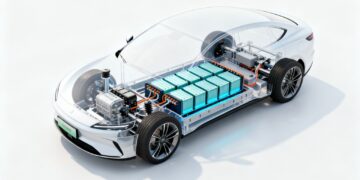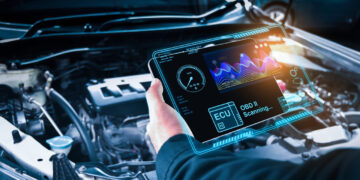
The modern transportation industry is undergoing a massive transformation driven by digital innovation. For decades, commercial logistics relied heavily on mechanical durability, manual driver logs, and periodic visual inspections. Today, long-haul trucking operates within a digital ecosystem powered by real-time connectivity, automated decision-making, and high-precision electronic components. At the epicenter of this technological shift is smart sensor technology an interconnected array of hardware and software designed to capture, process, and transmit data across every critical system of a commercial heavy vehicle.
As global supply chains expand, the demands placed on transport fleets have intensified. Freight operators face tight delivery schedules, rising fuel costs, strict environmental regulations, and ongoing driver shortages. To navigate these challenges while preserving operational margins, transport companies are turning to Internet of Things (IoT) architecture. Smart sensors act as the sensory nervous system for modern heavy-duty vehicles, monitoring everything from tire inflation and brake temperatures to engine combustion dynamics and cargo conditions.
+-----------------------------------------------------------------------------------+
|                        SMART TRUCK SENSOR ARCHITECTURE                           |
+-----------------------------------------------------------------------------------+
|                                                                                   |
|   [ Powertrain & Mechanical ]      [ Safety & Driver Assistance ]                 |
|   - Tire Pressure (TPMS)           - LiDAR / RADAR Systems                        |
|   - Engine Fluid Diagnostics       - Lane Departure / Blindspot Cameras           |
|   - Vibration & Acoustic Sensors   - Driver Fatigue Monitors                      |
|                                                                                   |
|                                         |                                         |
|                                         v                                         |
|                       +-----------------------------------+                       |
|                       |  On-Board Edge Computing Gateway  |                       |
|                       +-----------------------------------+                       |
|                                         |                                         |
|                                         v                                         |
|                       +-----------------------------------+                       |
|                       |  Cloud Telematics & AI Platform   |                       |
|                       +-----------------------------------+                       |
|                                         |                                         |
|            +----------------------------+----------------------------+            |
|            |                                                         |            |
|            v                                                         v            |
|   [ Automated Fleet Alerts ]                                [ Predictive Maintenance ]|
|                                                                                   |
+-----------------------------------------------------------------------------------+
Core Sensor Classifications in Heavy-Duty Vehicles
Commercial trucks utilize hundreds of specialized sensors working in tandem to maintain vehicle performance, safety, and efficiency. These components can be categorized by their functional application within the vehicle architecture.
Powertrain and Mechanical Monitoring Sensors
Engine and drivetrain sensors ensure that internal combustion, hybrid, or electric propulsion systems operate within optimal performance parameters.
A. Fluid Condition Sensors: Modern oil and coolant sensors continuously evaluate viscosity, contamination levels, temperature, and fluid degradation. By measuring dielectric constants and micro-vibrations in oil streams, these sensors notify technicians when fluid breakdown occurs, eliminating arbitrary fixed-mileage oil changes.
B. Exhaust Gas Recirculation (EGR) and NOx Sensors: Installed along the exhaust manifold, these devices monitor nitrogen oxide emissions and soot particulate concentrations. They supply real-time feedback to the Engine Control Unit (ECU) to optimize fuel injection timing and Urea/DEF dosing, ensuring full compliance with stringent emissions regulations.
C. Vibration and Acoustic Sensors: Piezoelectric sensors positioned near wheel bearings, transmission gears, and differential assemblies capture high-frequency acoustic waves. Subtle shifts in vibration frequencies signal early mechanical wear before physical damage or catastrophic mechanical lockups occur.
Chassis and Wheel-End Security Sensors
The wheel-end system represents one of the highest mechanical failure risk areas in long-haul trucking. Smart sensors placed around the chassis provide early warnings against costly road service incidents.
A. Tire Pressure Monitoring Systems (TPMS): Wireless TPMS modules embedded inside wheel rims or mounted directly on tire valves track both internal pressure and temperature. Under-inflated tires increase rolling resistance—leading to higher fuel consumption—and significantly elevate the risk of blowouts.
B. Brake Pad Wear and Heat Sensors: Thermal and optical sensors embedded within brake linings register friction degradation and heat buildup. By warning drivers and fleet engineers of thermal stress before brake fade occurs, these systems protect against runaway accidents during steep mountain descents.
C. Air Suspension Load Sensors: Strain gauges and height-measuring sensors mounted on air suspension bladders calculate axle loads with exceptional accuracy. This data prevents illegal overload violations at weigh stations and optimizes weight distribution across the chassis to reduce frame fatigue.
Predictive Maintenance and Engine Diagnostics
Unplanned vehicle downtime represents one of the largest financial liabilities for fleet operators. When a Class 8 commercial truck breaks down on an interstate, costs quickly accumulate from towing fees, delayed delivery penalties, emergency repair rates, and driver idle time. Smart sensor technology shifts maintenance practices from reactive repairs to data-driven predictive maintenance strategies.
REACTIVE MAINTENANCE               PREVENTIVE MAINTENANCE             PREDICTIVE MAINTENANCE
--------------------               ----------------------             ----------------------
• Fix after failure occurs        • Scheduled oil changes            • Sensors detect micro-wear
• Maximum vehicle downtime        • Fixed mileage intervals          • AI estimates exact failure time
• High emergency repair cost       • Replaces good components         • Parts replaced right on time
Continuous ECU Diagnostics and Telematics Integration
Modern commercial trucks feature built-in Controller Area Network (CAN bus) architectures that gather diagnostic trouble codes (DTCs) in real time. Smart sensors constantly measure system variables against factory tolerance thresholds.
A. Micro-Trend Analysis: Advanced diagnostic software analyzes subtle patterns rather than waiting for an absolute threshold breach. For instance, if an engine coolant sensor notes a steady temperature rise of 0.5 degrees per hundred miles under identical load conditions, the platform identifies potential radiator clogging weeks before overheating occurs.
B. Automated Parts Ordering and Service Scheduling: When a sensor flags a component anomaly, telematics software can automatically generate a service ticket. The system checks parts inventory at nearby service centers along the truck’s planned route, schedules repair windows, and provides mechanics with exact fault diagnostics before the vehicle arrives.
C. Extended Component Lifespan: Replacing parts based strictly on fixed mileage intervals often results in throwing away components that still have substantial operational life remaining. Predictive sensors allow components to remain in service as long as health parameters remain nominal, maximizing capital investment returns.

Advanced Driver Assistance Systems (ADAS) and Active Safety
Safety on public highways is paramount. Due to their mass and length, commercial trucks require significantly longer stopping distances and possess larger blind spots than standard passenger cars. Smart sensor suites form the core foundation of modern Advanced Driver Assistance Systems (ADAS), reducing human error and preventing collisions.
+-----------------------------------------------------------------------------------+
|                        360-DEGREE SENSOR COVERAGE MAP                             |
+-----------------------------------------------------------------------------------+
|                                                                                   |
|                   [ Long-Range LiDAR & Forward Radar ]                            |
|                                    |                                              |
|                                    v                                              |
|                           +-----------------+                                     |
|                           |  Front Bumper   |                                     |
|                           +-----------------+                                     |
|                                    |                                              |
|    [ Blind-Spot Sonar ] <-- [ Cab Engine ] --> [ Blind-Spot Sonar ]               |
|                                    |                                              |
|                                    v                                              |
|                        +-----------------------+                                  |
|                        |  Trailer Cargo Hold   |                                  |
|                        +-----------------------+                                  |
|                                    |                                              |
|                                    v                                              |
|                          +-------------------+                                    |
|                          | Tailgate Cameras  |                                    |
|                          +-------------------+                                    |
|                                    |                                              |
|                     [ Rear Sonar & Parking RADAR ]                                |
|                                                                                   |
+-----------------------------------------------------------------------------------+
Fusion of Sensor Modalities
No single sensor technology performs perfectly under all environmental conditions. Rain, heavy fog, blowing snow, and direct sunlight can blind vision-based optical cameras. Therefore, modern safety systems rely on sensor fusion—combining inputs from multiple sensor types to construct a reliable, high-definition model of the vehicle’s surroundings.
A. LiDAR (Light Detection and Ranging): LiDAR emits pulses of laser light to generate millions of data points every second, creating a high-resolution 3D point cloud of the road environment. This enables precise distance calculations to surrounding objects regardless of ambient lighting conditions.
B. Millimeter-Wave RADAR: RADAR systems excel at penetrating dense fog, dust storms, and heavy precipitation. Mounted on front bumpers and side panels, millimeter-wave radar modules continuously track relative velocities of adjacent vehicles, enabling Adaptive Cruise Control (ACC) and Automatic Emergency Braking (AEB).
C. Optical Cameras and Machine Vision: High-definition optical cameras positioned behind windshields and side mirrors analyze lane markings, traffic signs, and pedestrian movements. Machine learning algorithms process camera feeds in real time to provide Lane Departure Warnings (LDW) and traffic sign recognition.
D. In-Cab Driver Monitoring Systems (DMS): Infrared optical sensors directed toward the driver monitor blink rate, head posture, and eye movement patterns. If the system detects signs of fatigue, drowsiness, or cell phone distraction, it triggers immediate haptic steering wheel vibrations and audible warnings.
Cargo Integrity and Cold Chain Environmental Monitoring
Transporting high-value goods, pharmaceutical products, and perishable foodstuffs demands rigorous environmental control throughout the entire journey. Smart sensors installed within trailer cargo bays provide full visibility over cargo health.
+-----------------------------------------------------------------------------------+
|                   COLD CHAIN SENSOR MONITORING FRAMEWORK                         |
+-----------------------------------------------------------------------------------+
|                                                                                   |
|  [ Temperature Sensors ] ---> Track multi-zone thermal thresholds                 |
|                                                                                   |
|  [ Humidity Sensors ]    ---> Prevent condensation and moisture build-up          |
|                                                                                   |
|  [ Door & Light Sensors ]---> Register unauthorized cargo bay access               |
|                                                                                   |
|  [ Shock/Impact Sensors ]---> Log g-force acceleration from road bumps or collisions|
|                                                                                   |
+-----------------------------------------------------------------------------------+
Preservation of Sensitive Goods
A single temperature spike inside a refrigerated trailer (reefer) can spoil tens of thousands of dollars worth of fresh produce or biological vaccines. Smart cold chain monitoring mitigates this risk through continuous environmental oversight.
A. Multi-Zone Temperature Probes: Wireless BLE (Bluetooth Low Energy) probes placed at the front, center, and rear of cargo trailers ensure that temperature distribution remains uniform. If a refrigeration compressor fails or airflow is obstructed, local sensors report temperature spikes to the driver and central dispatcher instantly.
B. Relative Humidity and Gas Detection: Certain fruits and vegetables emit ethylene gas during natural ripening, which accelerates spoilage if left unmanaged. Gas detection sensors and humidity meters measure ambient air composition within the trailer, triggering automated ventilation cycles to prolong shelf life.
C. Shock, Motion, and Door Intrusion Sensors: Tri-axial accelerometers attached to cargo pallets measure g-forces experienced during transit. If a driver takes a turn too sharply or hits a deep pothole, the sensor logs the exact location and time of potential physical cargo damage. Additionally, optical light sensors and magnetic door switches record every instance a trailer door is opened, discouraging cargo theft.
Telematics Integration and Edge-to-Cloud Analytics
Raw sensor data is only as valuable as the actionable insights it produces. Modern commercial trucks process massive quantities of telemetry daily. Transmitting every raw measurement over cellular networks would congest data channels and cause expensive bandwidth fees. To overcome this limitation, commercial vehicles employ edge computing architecture.
+-----------------------------------------------------------------------------------+
|                      EDGE-TO-CLOUD DATA PROCESSING PIPELINE                       |
+-----------------------------------------------------------------------------------+
|                                                                                   |
|   +---------------------------------------------------------------------------+   |
|   | VEHICLE SENSORS (Engine, TPMS, ADAS, Reefer, Brake, Chassis)              |   |
|   +---------------------------------------------------------------------------+   |
|                                         |                                         |
|                                         v (Raw High-Frequency Data)               |
|   +---------------------------------------------------------------------------+   |
|   | ON-BOARD TELEMATICS GATEWAY (Edge Processing, Filter, Local Storage)       |   |
|   +---------------------------------------------------------------------------+   |
|                                         |                                         |
|                                         v (Filtered Critical Telemetry & Alerts)  |
|   +---------------------------------------------------------------------------+   |
|   | CLOUD FLEET MANAGEMENT PLATFORM (Predictive Analytics, AI Engine)         |   |
|   +---------------------------------------------------------------------------+   |
|                                         |                                         |
|                 +-----------------------+-----------------------+                 |
|                 |                                               |                 |
|                 v                                               v                 |
|   +---------------------------+                   +---------------------------+   |
|   | Fleet Managers Dashboard  |                   | Automated Mobile Notifications|   |
|   +---------------------------+                   +---------------------------+   |
|                                                                                   |
+-----------------------------------------------------------------------------------+
The Role of On-Board Telematics Gateways
The telematics gateway serves as the central intelligence hub of the truck, filtering and prioritizing data before transmission.
A. Edge Data Processing: On-board microprocessors analyze high-frequency sensor readings locally. For example, rather than streaming constant tire pressure figures to the cloud every second, the edge gateway processes data locally and only transmits an alert when readings deviate from standard operational thresholds.
B. Cellular and Satellite Dual Connectivity: Telematics gateways utilize dual-path communication networks. When operating within cellular coverage zones, systems transmit detailed telemetry packages using standard LTE/5G networks. In remote regions devoid of cellular coverage, gateways automatically failover to satellite uplinks to maintain critical GPS tracking and SOS emergency alerts.
C. Cloud-Based Machine Learning Models: Accumulated telemetry from thousands of connected trucks is aggregated in cloud servers. Machine learning models analyze this massive dataset to discover macro-level insights, such as identifying component failure trends across specific vehicle model years or predicting optimal gear shift patterns under varying topographical conditions.
Financial Impact and Return on Investment (ROI)
For fleet directors and owner-operators, adopting smart sensor networks is an investment evaluated on clear financial metrics. The initial capital expenditure required to equip vehicles with advanced sensors is offset by measurable operational savings.
+-----------------------------------------------------------------------------------+
|                        FINANCIAL BENEFITS OF SMART SENSORS                        |
+-----------------------------------------------------------------------------------+
|                                                                                   |
|   [ Fuel Efficiency ]        --->  4% - 8% reduction via TPMS & engine tuning     |
|   [ Downtime Reduction ]     --->  Up to 30% reduction in unplanned road repairs  |
|   [ Insurance Premiums ]     --->  10% - 15% discount for active ADAS adoption    |
|   [ Cargo Loss Claims ]      --->  80%+ reduction in cold-chain spoilages           |
|                                                                                   |
+-----------------------------------------------------------------------------------+
Quantifying Cost Reduction Vectors
A. Fuel Consumption Reduction: Fuel represents one of the largest ongoing operational expenses for commercial fleets. Properly inflated tires managed via real-time TPMS reduce rolling resistance, cutting overall fuel consumption by 2% to 4%. Furthermore, smart oxygen and airflow sensors optimize engine air-fuel ratios, yielding additional fuel savings across long distances.
B. Insurance Premium Discounts: Commercial freight insurance providers offer significant premium reductions for fleets fitted with active safety sensors, collision avoidance systems, and driver-monitoring dashcams. These technologies significantly reduce crash frequencies and mitigate legal liability claims.
C. Optimized Resale Values: Well-maintained commercial vehicles equipped with comprehensive sensor service histories command higher prices on secondary markets. Potential buyers can review immutable digital records proving that engines, transmissions, and emission systems were operated within safe engineering thresholds throughout their lifecycle.
Challenges and Future Industry Trends
Despite their clear benefits, the widespread integration of smart sensor networks introduces technical and operational hurdles that the commercial transport industry must continually address.
Engineering and Technical Challenges
A. Sensor Durability in Harsh Environments: Commercial truck sensors operate under extreme environmental stresses. Constant road vibrations, high thermal variations, road salt exposure, pressure washes, and heavy debris impact require ruggedized sensor enclosures rated to IP69K ingress protection standards.
B. Data Security and Cybersecurity Safeguards: Connected vehicles represent potential entry points for cyber threats. Unencrypted CAN bus networks could theoretically allow malicious actors to compromise steering, braking, or engine control systems remotely. Fleet operators must implement strict cryptographic hardware security modules (HSMs) and regular Over-the-Air (OTA) firmware security updates.
C. System Standardization and Interoperability: Commercial fleets often comprise vehicles from multiple manufacturers pulling trailers fitted with third-party refrigeration systems. Establishing standardized communication protocols across legacy hardware remains an ongoing industry challenge.
+-----------------------------------------------------------------------------------+
|                       FUTURE HORIZONS IN TRUCK SENSORS                            |
+-----------------------------------------------------------------------------------+
|                                                                                   |
|   • Self-Healing Sensor Arrays & Redundant Circuits                               |
|   • AI-Driven V2X (Vehicle-to-Everything) Mesh Networks                           |
|   • Level 4 Autonomous Trucking Sensor Integration                               |
|   • Energy-Harvesting Wireless Sensors (Piezoelectric Road Vibration Powered)     |
|                                                                                   |
+-----------------------------------------------------------------------------------+
The Road Ahead: Autonomous Transport Integration
Looking to the future, smart sensors will serve as the core technological enablers for Level 4 fully autonomous trucking corridors. Self-driving freight transport relies on continuous, high-redundancy sensor networks capable of making split-second decisions without human intervention. As energy-harvesting wireless sensors eliminate internal batteries and V2X (Vehicle-to-Everything) connectivity allows trucks to communicate directly with traffic infrastructure, smart sensor technology will remain the single most critical driver of efficiency, safety, and profitability in commercial transportation.