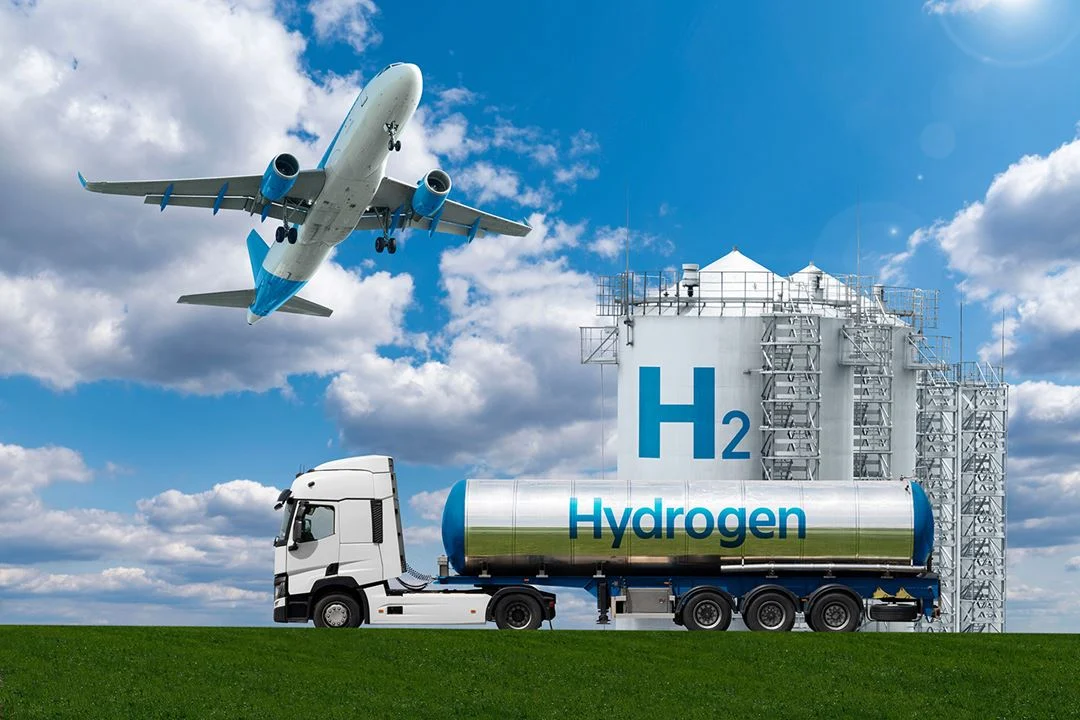
The global logistics industry stands at a pivotal historical crossroads. Heavy-duty vehicles, including Class 8 semi-trucks, long-haul freight haulers, cargo ships, freight trains, and heavy mining machinery, account for roughly 25% of all global road transport emissions despite representing only a small fraction of total vehicles on the road. For decades, diesel engines have been the undisputed backbone of commercial transport due to their exceptional energy density, rapid refueling speed, and immense torque capacity. However, as global regulations tighten and net-zero sustainability mandates take effect, the commercial freight sector faces urgent pressure to abandon fossil fuels.
While battery electric vehicles (BEVs) have made extraordinary strides in the consumer passenger car market, scaling battery technology to heavy long-haul commercial applications presents severe physical and economic obstacles. Giant lithium-ion battery packs add several tons of dead weight to commercial trailers, drastically reducing legal cargo payloads while taking hours to recharge.
This critical limitation is precisely where hydrogen fuel technology emerges as the ultimate technological alternative. By leveraging hydrogen as an energy carrier, heavy transport fleets can achieve true zero-emission operation without sacrificing payload capacity, operational range, or refueling speed.
1. Understanding the Core Mechanism: Fuel Cells vs. Hydrogen Combustion
To appreciate how hydrogen technology operates in heavy commercial machinery, it is essential to distinguish between the two primary propulsion pathways currently being deployed by global commercial vehicle manufacturers.
The Fuel Cell Electric Vehicle (FCEV) Architecture
A Fuel Cell Electric Vehicle utilizes electrochemistry rather than internal combustion to generate motive force. Inside the fuel cell stack, pressurized hydrogen gas supplied from specialized high-pressure onboard storage tanks meets oxygen drawn from ambient air.
A proton exchange membrane (PEM) split separates the hydrogen molecules into electrons and protons. The movement of these free electrons creates a direct electrical current (DC) that powers high-efficiency electric traction motors, while the protons bind with oxygen to emit nothing but pure water vapor ($H_2O$) and usable heat.
Hydrogen Internal Combustion Engines ( $H_2$-ICE)
Hydrogen Internal Combustion Engines adapt proven engine architecture to burn pure hydrogen gas directly within modified internal combustion chambers. While less thermally efficient than fuel cell stacks, $H_2$-ICE powertrains offer a pragmatic, lower-cost transitional bridge for commercial vehicle manufacturers because they leverage existing engine manufacturing lines and supply chains while generating zero carbon dioxide emissions.
2. Why Hydrogen Outperforms Batteries in Heavy-Duty Applications
When evaluating clean energy options for long-distance commercial haulage, logistics experts analyze several key metrics: energy density per kilogram, total operational downtime, payload loss, and thermal resilience.
| Performance Metric | Battery Electric Heavy Truck | Hydrogen Fuel Cell Heavy Truck | Diesel Legacy Heavy Truck |
| Refueling / Charging Time | 45 minutes to 3 hours | 8 to 15 minutes | 10 to 15 minutes |
| Typical Driving Range | 200 to 350 miles | 500 to 900 miles | 800 to 1,200 miles |
| Powertrain Weight Burden | Very High (Heavy Battery Pack) | Low to Moderate | Low Baseline |
| Cargo Payload Impact | Significant Reduction | Minimal Reduction | None (Baseline) |
| Cold Weather Reliability | Reduced Range (-30%) | High Stability | High Stability |
Key Advantages of Hydrogen in Long-Haul Logistics
A. Rapid Refueling Speed: Commercial fleet uptime translates directly into revenue generation. While charging a mega-kWh battery pack on a heavy freight truck requires prolonged dwell times at high-power chargers, a commercial hydrogen dispenser can fill a 700-bar tank in approximately 10 to 15 minutes, matching traditional diesel refueling workflows.
B. Uncompromised Cargo Payload Capacity: Heavy-duty transport regulations enforce strict maximum gross vehicle weight limits (GVWR). Because lithium-ion batteries are heavy and exhibit relatively low gravimetric energy density, a battery-powered long-haul truck can lose up to 4,000 to 8,000 pounds of usable payload capacity. Hydrogen systems, by contrast, offer vastly superior gravimetric energy density, preserving maximum cargo haulage profit per trip.
C. Superior Range and All-Weather Performance: Chemical batteries experience severe capacity degradation and high thermal management overhead in freezing ambient conditions. Hydrogen fuel cells remain structurally unaffected by sub-zero temperatures, providing consistent multi-hundred-mile range across extreme geographic climates.
3. The Hydrogen Spectrum: Production Pathways Explained
Not all hydrogen is created equal from an environmental perspective. To understand the true sustainability profile of hydrogen-powered transport, one must evaluate the standard color-coded classification system used across the energy sector:
A. Green Hydrogen: Produced through water electrolysis powered entirely by renewable energy sources such as wind, solar, or hydroelectric power. Green hydrogen produces zero greenhouse gas emissions from well-to-wheel and represents the ultimate goal for clean transport ecosystems.
B. Blue Hydrogen: Produced from natural gas using steam methane reforming (SMR) or autothermal reforming (ATR), but integrated with advanced Carbon Capture and Storage (CCS) technology to capture up to 90% of emitted carbon dioxide.
C. Grey Hydrogen: Derived directly from natural gas without capturing the resulting carbon dioxide emissions. Currently, grey hydrogen represents the majority of global production due to low legacy costs, though it is rapidly being phased out in favor of clean production methods.
D. Pink Hydrogen: Generated via electrolysis powered by zero-emission nuclear energy, offering steady baseline supply without weather dependency.

4. Overcoming Critical Infrastructure Challenges
Despite its remarkable technical advantages, the widespread commercial adoption of hydrogen in heavy transport faces structural hurdles that require coordinated private and public investment.
Refueling Station Distribution Networks
Unlike electric power grids, which are already built into every industrial center, hydrogen refueling networks for heavy transport require entirely new midstream infrastructure. High-capacity hydrogen stations must support both 350-bar (for heavy buses and municipal machinery) and 700-bar (for high-speed long-haul semi-trucks) dispensing standards.
Hydrogen Storage and Transport Logistics
Transporting hydrogen from production facilities to retail dispensers requires sophisticated logistics. Hydrogen can be transported in several distinct forms:
A. Compressed Hydrogen Gas: Transported via tube trailers at pressures ranging from 200 to 500 bar for short-to-medium distance delivery.
B. Cryogenic Liquid Hydrogen: Chilled to sub-zero temperatures (-253°C) to dramatically increase volumetric density, making it ideal for high-volume long-distance distribution.
C. Liquid Organic Hydrogen Carriers (LOHC): Chemical compounds that absorb and release hydrogen, allowing storage and transport using standard petroleum liquid infrastructure at ambient temperatures.
5. Strategic Economic Assessment and Total Cost of Ownership (TCO)
For commercial fleet managers, environmental sustainability is a necessary goal, but economic viability is the primary decision driver. Fleet operators calculate Total Cost of Ownership (TCO), which incorporates capital expenditure (CapEx), fuel prices, maintenance costs, and operational lifespan.
Key Drivers for Achieving TCO Parity with Diesel
A. Reductions in Electrolyzer Capital Expenses: Scaled manufacturing of proton exchange membrane (PEM) and solid oxide electrolyzer stacks is driving down the baseline production cost of green hydrogen rapidly toward target thresholds of $2.00 per kilogram.
B. Scaling Infrastructure Utilization: As more heavy vehicles enter service along dedicated transport corridors (often referred to as hydrogen freight corridors), refueling station utilization rates increase, lowering localized dispensing charges per kilogram.
C. Regulatory Incentives and Carbon Pricing: Mandates such as zero-emission vehicle purchase credits, clean fuel standard subsidies, and carbon taxation policies significantly accelerate economic parity between hydrogen fuel cell trucks and conventional diesel vehicles.
D. Maintenance Advantages: Fuel cell electric powertrains contain far fewer moving components than complex internal combustion engines, leading to lower ongoing maintenance costs, extended brake life via regenerative braking systems, and reduced mechanical downtime.
6. Emerging Use Cases Beyond Long-Haul Trucking
While long-haul freight trucks receive the majority of public attention, hydrogen fuel technology is expanding rapidly into other heavy transport segments where battery electrifications face hard engineering limits.
A. Rail Transport and Freight Locomotives: Non-electrified railway tracks stretching across remote geographies are ideal candidates for hydrogen fuel cell locomotives, replacing heavy diesel-electric engines without requiring multi-billion-dollar overhead catenary wire infrastructure.
B. Maritime Shipping and Port Logistics: Large container vessels and port yard tractors require massive, continuous energy outputs. Liquid hydrogen and hydrogen-derived clean fuels like green ammonia ($NH_3$) provide the energy density required for oceanic freight lines.
C. Heavy Mining and Construction Equipment: Haul trucks operating continuously in remote open-pit mines demand maximum uptime and intense power output. Hydrogen fuel cell systems allow 24/7 continuous operation with quick field refueling.
D. Municipal Transit and Intercity Buses: Urban bus fleets pioneered early hydrogen commercial adoption due to centralized depot refueling models, enabling clean public transport across dense city corridors.
7. Future Industry Outlook and Technological Roadmap
The next decade will mark a definitive transformation in commercial transport energy architectures. As green hydrogen production scales globally and heavy vehicle manufacturers transition from low-volume pilot runs to automated mass production, several key technological milestones will emerge:
A. High-Density Liquid Hydrogen Storage Onboard Trucks: Commercial truck developers are actively testing sub-cooled liquid hydrogen ($LH_2$) storage tanks mounted directly on truck chassis, which can double the driving range past 1,000 miles per single fill.
B. Next-Generation Fuel Cell Stacks: Advances in membrane durability, platinum group metal (PGM) reduction, and power density are pushing fuel cell stack operational lifespans past 25,000 to 30,000 operational hours—matching the lifetime of heavy industrial diesel engines.
C. Integrated Hydrogen Hub Ecosystems: Regional “Hydrogen Hubs” connecting localized green hydrogen generation, industrial consumers, and heavy freight transport corridors will minimize transportation losses and build resilient local clean energy markets.
Summary of Strategic Takeaways
Hydrogen fuel technology provides the definitive zero-emission pathway for heavy transport applications that cannot be served by chemical batteries alone. By combining rapid refueling, high payload retention, long operating ranges, and zero tailpipe emissions, hydrogen stands as the foundational technology that will power the clean commercial logistics network of tomorrow.