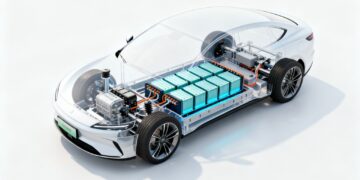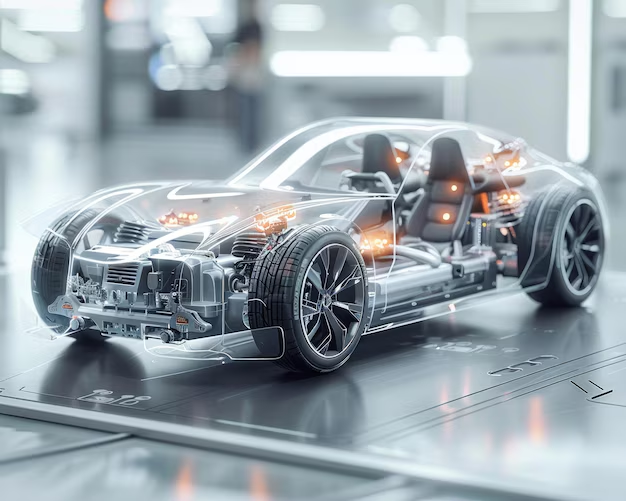
The automotive sector is experiencing a monumental transformation driven by advanced machine learning, neural networks, and generative artificial intelligence. For over a century, designing a motor vehicle required meticulous hand sketching, clay sculpting, and physical crash testing that stretched product development timelines across four to six years. Today, computational design algorithms and virtual simulation platforms are compressing these timelines into mere months while unlocking levels of structural efficiency, aerodynamic precision, and cabin customization once deemed impossible.
Modern vehicle architecture is no longer dictated solely by human intuition or rigid CAD templates. Instead, artificial intelligence serves as a real-time collaborative partner for studio designers and structural engineers alike. By analyzing vast datasets containing centuries of engineering principles, aerodynamic fluid dynamics, and global crash-safety parameters, smart algorithms generate optimal structural solutions that minimize material weight while maximizing passenger safety.
A. The Paradigm Shift from Manual Clay Modeling to Generative Algorithms
Traditionally, automotive design studios relied on skilled clay sculptors to build full-scale models of proposed vehicle exteriors. While visually intuitive, this approach created massive bottlenecks in early-stage engineering validation. Designers had to wait weeks for physical models to be scanned and subjected to wind-tunnel testing before making simple aesthetic tweaks.
Artificial intelligence eradicates these operational friction points through generative modeling. Engineers now establish primary parameters—such as target weight, total length, passenger seating capacity, battery bay dimensions, and target drag coefficients—and prompt AI engines to generate hundreds of viable structural iterations within hours.
A summary of how traditional design methods contrast with modern AI-driven practices highlights this transformation:
| Feature Dimension | Traditional Automotive Design | AI-Augmented Automotive Design |
| Concept Phase Duration | 12 to 18 Months | 2 to 4 Weeks |
| Testing Methodology | Physical Clay Models & Wind Tunnels | Virtual Digital Twins & AI Simulations |
| Structural Optimization | Manual CAD Engineering Iterations | Algorithmic Generative Topology Optimization |
| Aerodynamic Validation | Delayed Batch Testing | Real-time Computational Fluid Dynamics |
| Weight Reduction Capability | Incremental (~3% to 5%) | Radical Subtractive Optimization (~15% to 30%) |
These advancements allow automotive original equipment manufacturers (OEMs) to pivot rapidly in response to shifting consumer demands, emerging safety regulations, and global supply chain constraints.
B. Generative Topology Optimization and Lightweight Structures
For electric vehicles (EVs), weight reduction is directly linked to battery range and overall power efficiency. Heavy vehicle chassis demand larger battery packs, which in turn increase overall weight and production costs. AI solves this dilemma through generative topology optimization—a process where machine learning algorithms shave away unnecessary material from internal vehicle components without compromising structural rigidity.
Key Takeaway: Generative AI allows engineers to create complex, bionic internal structures that mirror organic growth patterns found in bone tissue. These organic-looking parts are lighter, stronger, and inherently optimized to absorb collision impact forces far better than solid metal beams.
These complex geometry components are frequently produced using advanced additive manufacturing (metal 3D printing) and binder jetting technologies. As a result, automotive manufacturers are achieving total vehicle weight reductions of up to 30%, directly extending the zero-emission driving range of modern electric powertrains.
C. Accelerating Aerodynamics Through AI-Powered Computational Fluid Dynamics
Achieving a low coefficient of drag ($C_d$) is essential for optimizing high-speed highway efficiency and minimizing wind noise inside the cabin. In traditional setups, validating aerodynamic efficiency required placing physical prototypes inside massive wind tunnel facilities that cost thousands of dollars per hour to run.
AI algorithms integrated with Computational Fluid Dynamics (CFD) software instantly calculate fluid flow, turbulence, and air resistance over digital vehicle surfaces.
[Design Concept Render]
          │
          ▼
[AI Drag Coefficient Calculation]
          │
          ├── (Turbulence Detected) ──► [Auto-Adjust Body Contours]
          │                                        │
          ▼                                        ▼
[Optimized Aerodynamic Form] ◄─────────────────────┘
By predicting how air currents react to tiny design changes—such as mirror shapes, underbody panels, and wheel spoke angles AI tools allow designers to modify surface curvature in real time, drastically cutting wind-tunnel testing cycles.
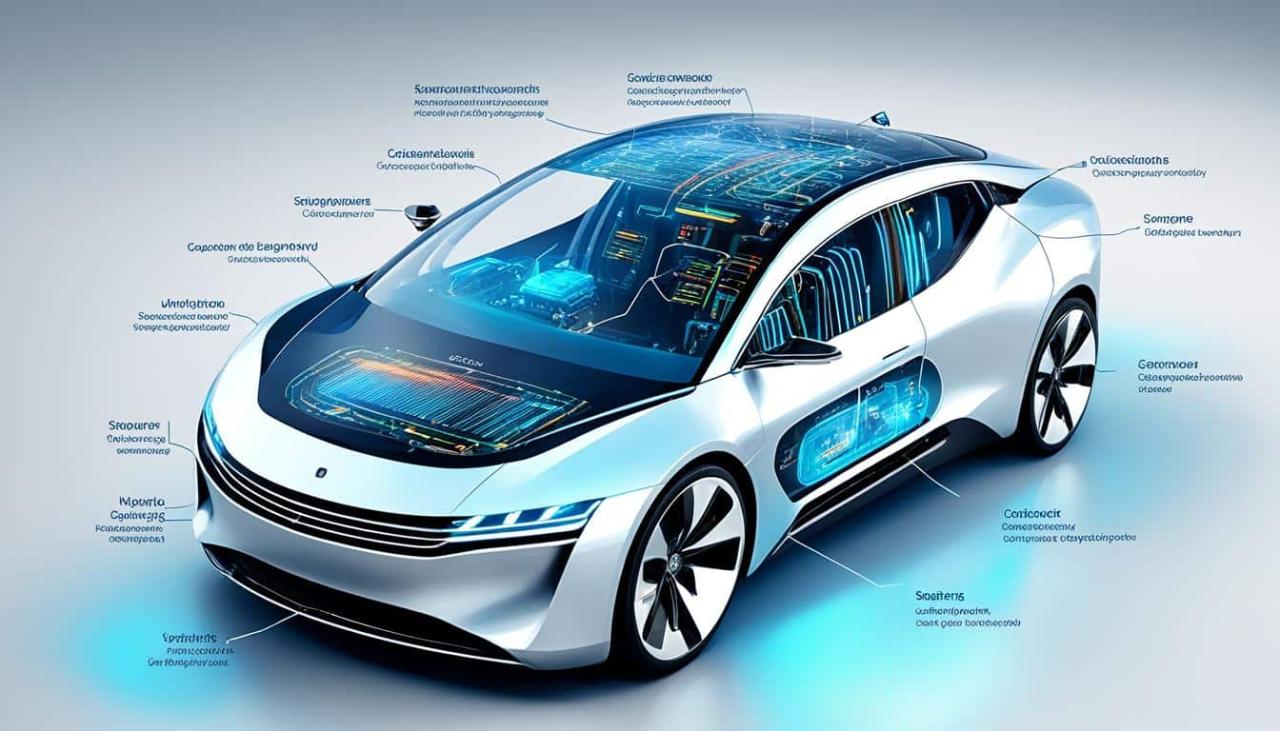
D. Redefining In-Cabin User Experience and Modular Interiors
The ongoing shift toward autonomous driving technology is fundamentally altering how car interiors are designed. Vehicles are transitioning from driver-centric cockpits into dynamic “living spaces on wheels.” AI plays a central role in customizing these interior environments to accommodate diverse lifestyle needs.
Key Modular Interior Innovations Driven by AI:
-
Ergonomics and Passenger Comfort Optimization
Algorithms analyze thousands of body scans across global demographics to craft seats that dynamically adapt their lumbar support, heating zones, and contour shapes to individual passengers during long drives.
-
Predictive In-Cabin Climate and Atmosphere Control
By leveraging occupant monitoring sensors, internal AI models adjust ambient lighting, cabin temperature, and audio soundstages based on passenger stress levels, time of day, and outdoor weather conditions.
-
Reconfigurable Cabin Architectures
When autonomous modes are engaged, smart interior layouts allow steering columns to retract seamlessly into the dash, while seating positions rotate toward the center to transform the cabin into a mobile conference room or lounge.
E. Digital Twins and Virtual Crash Simulation Safety
Vehicle safety testing has historically been one of the most expensive and time-consuming phases of vehicle development. Sacrificing dozens of physical pre-production vehicles in controlled crash tests is costly and limits the number of collision scenarios engineers can test.
Today, automakers build comprehensive Digital Twins—ultra-detailed virtual replicas of physical vehicles that continuously sync data between physical components and digital simulation models.
By deploying deep learning algorithms across these digital twin platforms, engineering teams can run millions of virtual crash simulations involving different impact angles, speeds, weather conditions, and vehicle weights in a matter of days. The software accurately models structural deformation, airbag deployment timing, and seatbelt tensioner response down to the millisecond, resulting in safer passenger cells prior to building a single physical prototype.
F. Overcoming Implementation Challenges in AI Automotive Engineering
Despite its immense benefits, integrating artificial intelligence into vehicle design presents distinct technical and operational hurdles that automakers must actively manage.
-
Data Quality and Bias Mitigation: AI models require clean, comprehensive training data. Incomplete legacy crash data or biased ergonomic datasets can result in flawed component designs that compromise real-world safety.
-
High Computational Resource Demands: Running complex generative algorithms and real-time fluid dynamics simulations requires high-performance cloud computing infrastructure, leading to significant capital investment requirements.
-
Regulatory Compliance and Standardizations: Safety authorities worldwide must establish clear frameworks to validate AI-generated structural components and verify that automated software choices strictly adhere to global crash safety standards.
-
Cybersecurity in Connected Vehicles: As AI software penetrates deeper into vehicle control modules, protecting on-board neural networks from unauthorized access and cyber threats becomes a critical priority for vehicle safety.
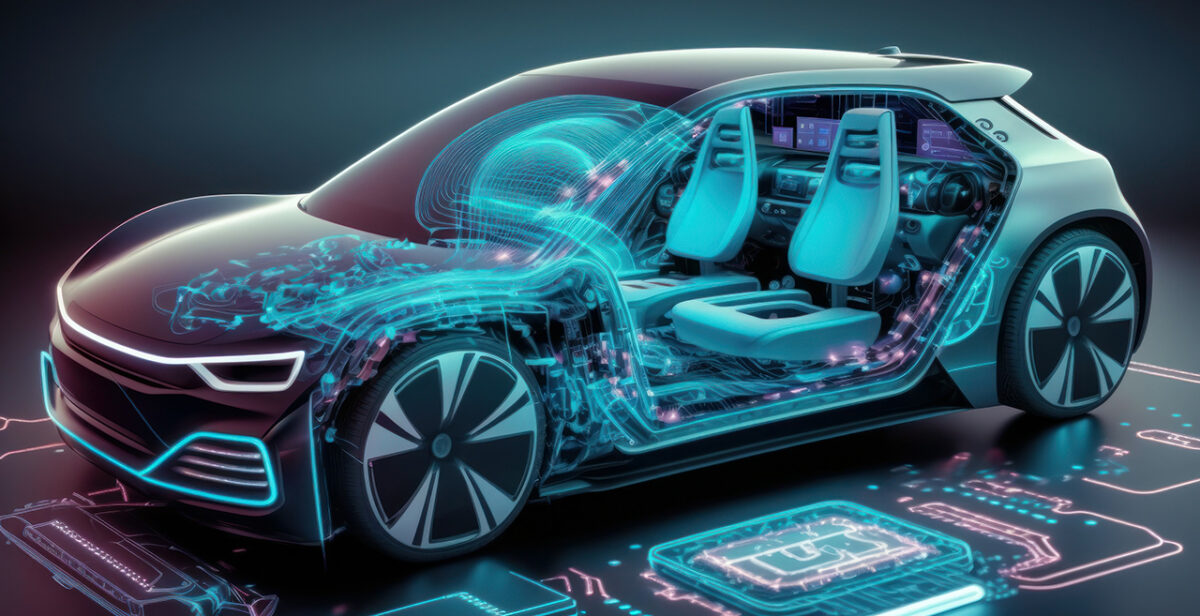
G. The Road Ahead for Next-Generation Mobility
Artificial intelligence is not replacing human creativity in automotive studios; rather, it is removing technical constraints that previously limited artistic vision and engineering execution. The future of vehicle design lies in a balanced hybrid model where human designers establish brand identity, emotional aesthetic direction, and core product ethos, while AI algorithms handle complex mathematical calculations, structural safety validations, and material optimizations.
As generative design tools become more accessible and autonomous driving capabilities mature, vehicles will evolve into highly personalized, hyper-efficient, and structurally resilient transport solutions. Automakers that embrace AI-driven workflows today will define the aesthetic standards, performance benchmarks, and environmental sustainability practices of tomorrow’s global transportation landscape.