The global automotive sector is undergoing a massive transformation. For decades, traditional internal combustion engines (ICE) dominated roadways worldwide. However, tightening environmental regulations, strict fuel economy standards, and shifting consumer preferences toward sustainability have reshaped the engineering landscape. While pure Battery Electric Vehicles (BEVs) receive significant media coverage, they face real-world challenges including charging infrastructure gaps, grid bottlenecks, long charging times, and high raw material costs.
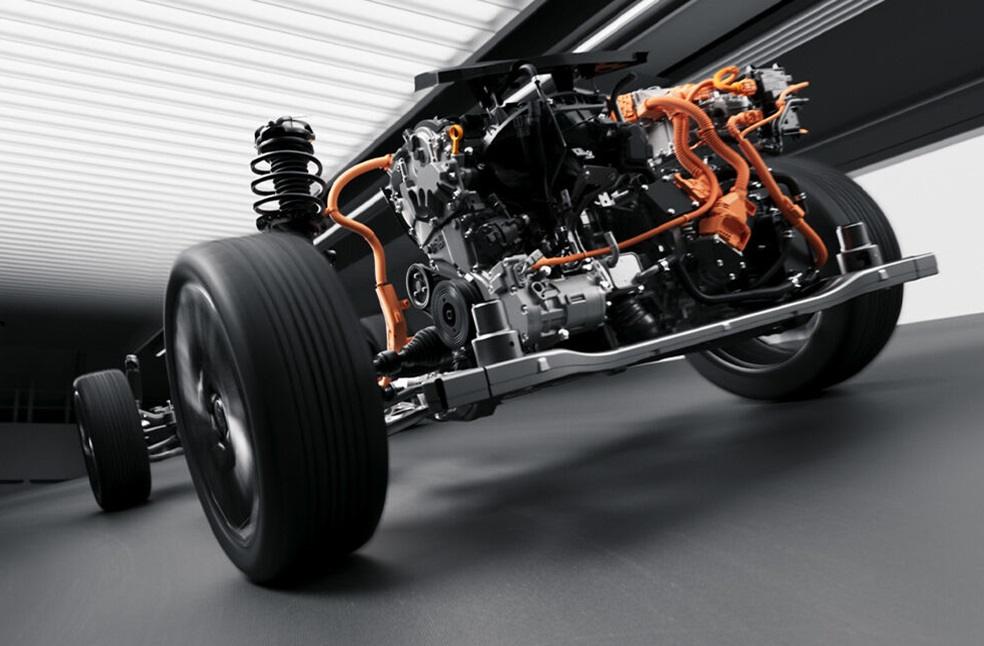
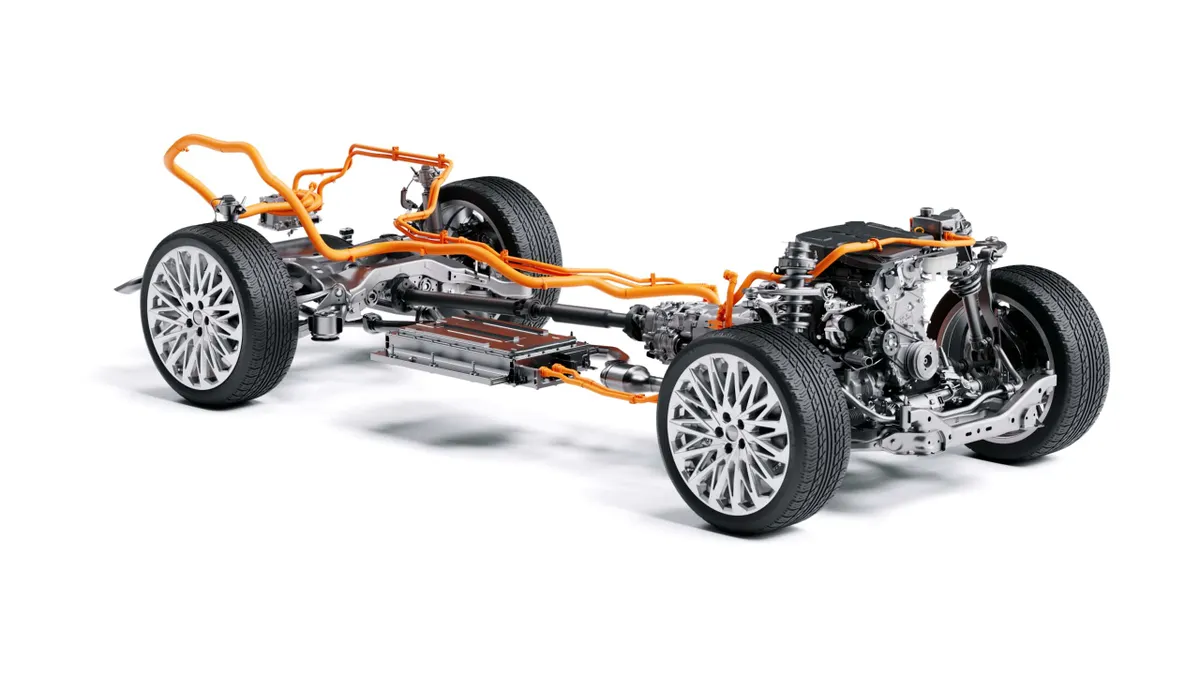
Modern hybrid systems are far removed from the early hybrid vehicles introduced at the turn of the century. Today’s next-gen hybrid powertrains represent sophisticated, high-tech engineering marvels. They seamlessly combine advanced internal combustion engines with high-density electric motors, state-of-the-art power electronics, high-voltage battery storage, and artificial intelligence-driven energy management algorithms.
By balancing mechanical torque with instant electrical power, next-gen hybrid systems provide high efficiency without sacrificing driving range or performance. This comprehensive guide explores the core mechanisms, architectural layouts, cutting-edge components, and market trajectory of next-generation hybrid powertrains.
1. Defining Next-Gen Hybrid Powertrains
At its core, a hybrid powertrain uses two or more distinct power sources to generate mechanical propulsion. In automotive applications, this typically means pairing a liquid fuel engine—burning gasoline, diesel, or alternative e-fuels with one or more electric motor-generators.
What separates next-gen hybrid powertrains from legacy hybrid systems is the degree of component integration, intelligence, and thermal efficiency. Early hybrids treated the electric motor as a minor secondary helper to a conventional engine. In contrast, modern next-gen designs flip this dynamic, allowing electrical propulsion to handle the majority of daily driving demands while optimizing the combustion engine to run exclusively within its narrow, ultra-efficient power band.
       +-------------------------------------------------+
       |         Energy Management Unit (AI Vectoring)   |
       +------------------------+------------------------+
                                |
             +------------------+------------------+
             |                                     |
             v                                     v
   +-------------------+                 +-------------------+
   | Internal          |                 | Electric Motor    |
   | Combustion Engine |                 | / Generator Unit  |
   | (Thermal Efficiency)|                 | (Instant Torque)  |
   +---------+---------+                 +---------+---------+
             |                                     |
             +------------------+------------------+
                                |
                                v
                   +------------------------+
                   | High-Voltage Battery   |
                   | & Power Electronics    |
                   +------------------------+
Next-gen hybrid architecture relies on seamless synergy between thermal dynamics and electrical energy distribution, managed in real time by predictive onboard computing.
2. Core Operational Architectures
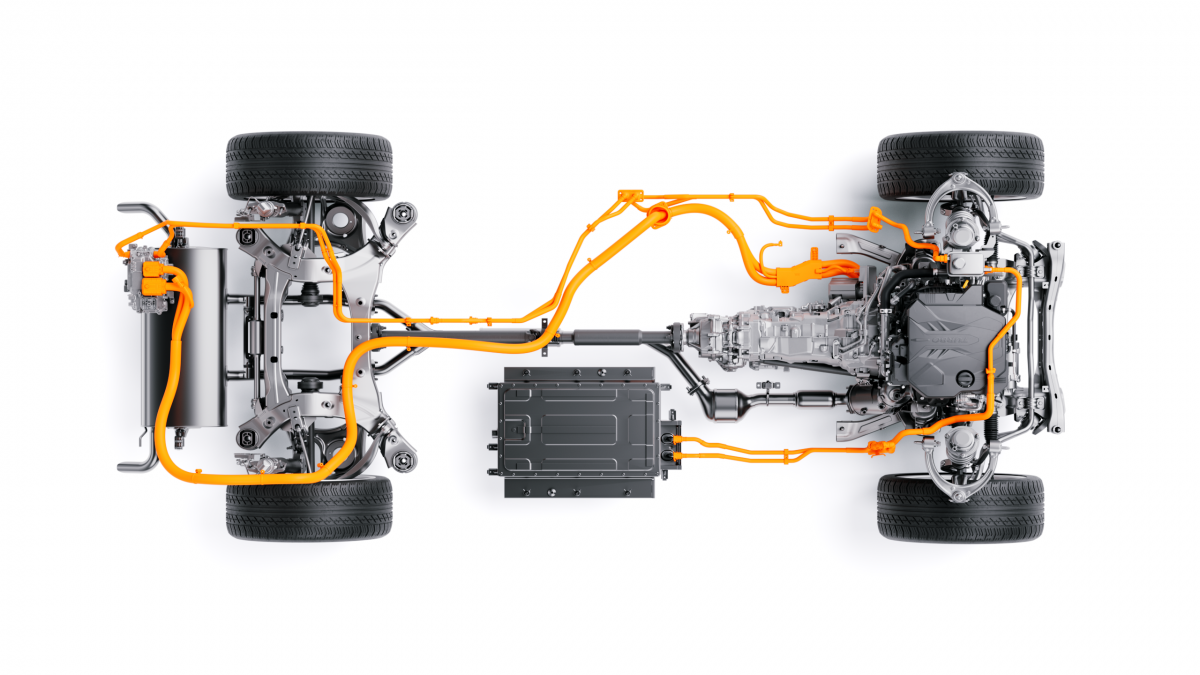
Hybrid systems are categorized by how mechanical power flows from the powerplants to the drive wheels. Automotive engineers utilize three fundamental topological configurations, each refined with modern control software:
A. Parallel Hybrid Architecture
In a parallel hybrid system, both the combustion engine and the electric motor are mechanically linked directly to the transmission and drive axles. This allows the vehicle to be propelled by the engine alone, the electric motor alone, or both power units working simultaneously during heavy acceleration.
-
Engine Integration: The engine operates alongside an integrated electric motor via dual clutches.
-
Power Combination: Mechanical forces combine before reaching the driveshaft, maximizing peak torque output.
-
Efficiency Profile: Highly efficient during steady high-speed highway cruising where internal combustion engines naturally perform best.
B. Series Hybrid Architecture (Range-Extender Systems)
In a series hybrid layout, the internal combustion engine has no mechanical connection to the wheels. Instead, the engine acts strictly as an onboard generator, burning fuel to spin a high-output generator that charges the battery pack or feeds power directly to the electric drive motors.
-
Pure Electric Drive: The drive wheels are turned exclusively by powerful electric motors.
-
Optimized Engine RPM: Because the engine is decoupled from wheel speed, it can run at its single most efficient RPM setting constantly.
-
Smooth Delivery: Eliminates traditional multi-speed gearboxes entirely, delivering smooth, instant acceleration identical to a pure BEV.
C. Series-Parallel (Power-Split) Hybrid Architecture
Representing the most versatile setup, series-parallel hybrids combine the benefits of both prior designs. Using a planetary gear set or a dual electric motor system, power split technology can direct power from the engine to the wheels, to the electric generator, or to both simultaneously based on real-time driving demand.
-
Dynamic Adjustability: Continuously balances energy paths depending on throttle input, speed, and battery state of charge.
-
Regenerative Capture: Efficiently harvests kinetic energy during braking maneuvers from multiple driveline points.
-
Optimal Balance: Delivers high city efficiency along with capable highway cruising power.
3. Classification by Electrification Level
Not all hybrid powertrains are built with the same level of electrical hardware. Electrification levels vary across four main tiers:
| Electrification Tier | Typical Voltage | Electric-Only Driving | Key Advantage | Target Application |
| Micro-Hybrid (Start-Stop) | 12V | No | Low cost, basic engine stop/start | Entry-level city cars |
| Mild Hybrid (MHEV) | 48V | Minimal / Coasting only | Smooth start-stop, torque boost | Mass-market passenger cars |
| Full Hybrid (HEV) | 200V – 400V | Short distances (1-3 miles) | High overall fuel savings without charging plugs | Standard crossovers & sedans |
| Plug-in Hybrid (PHEV) | 400V – 800V | Extended distances (30-70+ miles) | Zero emissions daily commuting with long range reserve | Long-distance commute vehicles |
A. Micro-Hybrid Systems
Micro-hybrids rely on an enhanced 12-volt electrical system featuring a heavy-duty starter motor and AGM battery. They do not propel the vehicle electrically; instead, they automatically shut off the engine when stationary at traffic lights and restart it instantly when the driver releases the brake, reducing urban idling emissions.
B. Mild Hybrid Electric Vehicles (MHEV)
Mild hybrids utilize a compact 48-volt lithium-ion electrical architecture working alongside a traditional 12-volt network. A Belt-Driven Starter Generator (BSG) or Integrated Starter Generator (ISG) replaces the conventional alternator.
-
Provides supplementary torque boost under hard acceleration.
-
Enables engine-off coasting at highway speeds to conserve fuel.
-
Recovers kinetic braking energy that would otherwise be lost as waste heat.
C. Full Hybrid Electric Vehicles (HEV)
Full hybrids feature high-voltage battery packs (200V–400V) and powerful electric motors. They move the vehicle on electric power alone during low-speed maneuvers, stop-and-go traffic, and light cruising. The internal combustion engine engages automatically when extra power is demanded or when the traction battery requires recharging.
D. Plug-in Hybrid Electric Vehicles (PHEV)
PHEVs feature significantly larger battery capacities and high-power onboard charging equipment. They offer 30 to over 70 miles of pure electric driving range on a single charge—enough for typical daily commutes. Once the plug-in energy reserve is depleted, the vehicle operates as a standard full hybrid, eliminating range anxiety for long journeys.
4. Key Technological Innovations Driving Next-Gen Systems
Recent engineering breakthroughs have transformed next-gen hybrid powertrains into lightweight, highly efficient propulsion units.
+------------------------------------------------------------------+
|                    NEXT-GEN HYBRID INNOVATIONS                   |
+------------------------------------------------------------------+
| A. Silicon Carbide (SiC) Inverters -> Reduced Switching Losses   |
| B. Ultra-High Efficiency Engines   -> 40-45%+ Thermal Efficiency |
| C. Advanced Solid-State / LFP Chem -> Higher Energy Density      |
| D. AI-Driven Predictive Management -> Route & Topo Optimization  |
+------------------------------------------------------------------+
A. High Thermal Efficiency Internal Combustion Engines
Next-gen hybrid engines are custom built specifically for hybrid applications rather than repurposed from traditional gas vehicles:
-
Atkinson and Miller Cycles: By keeping the intake valve open longer during the compression stroke, these combustion cycles extract more mechanical energy per unit of fuel, pushing thermal efficiency above 40-45%.
-
Ultra-High Compression Ratios: Utilizing advanced direct-injection fuel systems and turbulent combustion chambers to run compression ratios as high as 14:1 or 15:1 without damaging engine knock.
-
EGR (Exhaust Gas Recirculation) Cooling: Cools and redirects inert exhaust gas back into the combustion chamber to reduce peak temperatures and lower nitrogen oxide (NOx) emissions.
B. Wide-Bandgap Power Electronics (SiC and GaN)
The power inverter converts Direct Current (DC) from the battery into Alternating Current (AC) for the electric motor. Traditional inverters used silicon-based IGBTs, which suffered from high thermal losses.
-
Silicon Carbide (SiC): Next-gen hybrids use SiC semiconductors that operate at higher voltages, withstand higher temperatures, and switch faster with up to 70% fewer energy losses.
-
Gallium Nitride (GaN): Enables ultra-compact, lightweight inverter designs that shrink the power control unit’s physical size.
C. Advanced Battery Chemistry and Solid-State Horizons
Battery technology inside hybrids has progressed beyond basic Nickel-Metal Hydride (NiMH) cells:
-
LFP (Lithium Iron Phosphate): Delivers long cycle life, thermal stability, and low production costs for daily charge cycling.
-
NMC / NCA Chemistry: Optimized for high power density, allowing rapid energy discharge and aggressive regenerative braking capture.
-
Solid-State Batteries: Emerging solid-state designs eliminate liquid electrolytes, dramatically improving safety, reducing weight, and enabling rapid recharging capabilities.
D. Predictive AI Energy Management Systems
Modern hybrid vehicles use artificial intelligence and real-time connectivity to optimize power usage:
-
GPS Topography Integration: Analyzes terrain along a navigation route, reserving battery capacity before climbing steep hills and prioritizing regenerative braking on downhill stretches.
-
Geofenced EV Zones: Automatically switches the powertrain to pure electric mode when entering restricted low-emission urban centers.
-
Driving Style Adaptation: Learns driver habits to balance smooth torque delivery with optimal fuel consumption.
5. Comparative Analysis: Hybrids vs. ICE vs. Pure BEVs
To understand why next-gen hybrids are gaining market traction, consider how they compare directly against traditional internal combustion engines and pure battery electric vehicles across core operational factors:
| Feature / Metric | Traditional ICE | Next-Gen Hybrid (HEV/PHEV) | Battery Electric Vehicle (BEV) |
| Primary Energy Source | Liquid Gasoline / Diesel | Liquid Fuel + Grid Electricity | Grid Electricity Only |
| Fuel / Operational Efficiency | Low to Moderate (20-30%) | High to Very High (45-70%+ equivalent) | Exceptional (85-90% wall-to-wheel) |
| Refueling / Charging Time | 3 to 5 Minutes | 3 to 5 Minutes (Gas) or 20-120 Min (Plug) | 20 to 60+ Minutes (Fast Charge) |
| Infrastructure Dependency | Standard Gas Stations | Existing Gas Stations + Optional Chargers | Dedicated High-Power Fast Chargers |
| Overall Vehicle Weight | Low | Balanced | High (Heavy Traction Battery) |
| Cold Weather Range Impact | Minimal Impact | Moderate Impact | Significant Range Reduction (20-40%) |
| Tailpipe Emissions | Moderate to High | Low to Zero (PHEV in EV mode) | Zero Direct Emissions |
6. Real-World Benefits and Consumer Advantages
Next-gen hybrid powertrains deliver immediate practical benefits for consumers and fleet operators alike:
A. Total Elimination of Range Anxiety
Drivers can travel long distances without worrying about finding an open, working charging station or waiting through long charge cycles. If the battery runs low, the vehicle simply continues operating on liquid fuel.
B. Substantial Fuel Economy Improvements
By capturing energy during braking and using the electric motor during acceleration, next-gen hybrids achieve high fuel efficiency, reducing total cost of ownership and fuel expenses over the life of the vehicle.
C. Reduced Maintenance Wear and Tear
Regenerative braking handles much of the initial deceleration work, reducing wear on traditional brake pads and rotors. Additionally, because the electric motor handles low-speed engine loads, internal combustion engine components experience reduced mechanical stress during city driving.
D. Superior Driving Dynamics and Performance
Electric motors deliver maximum torque instantly from zero RPM. When paired with a gas engine, next-gen hybrids provide quick throttle response, rapid acceleration, and smooth power delivery without lag.
7. Future Outlook and Technological Roadmap
The market for next-gen hybrid powertrains is set for continued growth over the next decade. Major automakers view modern hybrid architectures not merely as a temporary bridge to electrification, but as a long-term core strategy alongside BEVs and hydrogen fuel cells.
Future technological developments will focus on key area upgrades:
-
Alternative Sustainable Fuels: Adapting next-gen hybrid engines to burn synthetic e-fuels, green hydrogen, and advanced biofuels—achieving net-zero carbon footprints without discarding liquid fuel convenience.
-
Wireless Inductive Charging: Equipping plug-in hybrids with wireless charging pads for effortless, cable-free battery topping in home garages and public parking spots.
-
Ultra-High Voltage Architectures: Transitioning hybrid battery and motor electronics from 400V to 800V systems, allowing faster energy flow, cooler operating temperatures, and lighter wiring harnesses.
-
Fully Integrated E-Axles: Combining the electric motor, power inverter, and single-speed transmission into a compact modular unit mounted directly on the drive axle for maximum space savings inside the vehicle chassis.
Conclusion
Next-generation hybrid powertrains represent a balanced fusion of thermal efficiency, electrical power, and intelligent computing. By overcoming the charging constraints of battery electric vehicles while addressing the carbon footprint of traditional engines, next-gen hybrids deliver a practical solution for sustainable transportation today.
As battery chemistries advance, power electronics shrink, and control software grows smarter, next-gen hybrid systems will remain a key pillar of clean automotive engineering for years to come.