The automotive world is undergoing a profound transformation where heritage meets innovation. Classic cars evoke a sense of nostalgia, mechanical purity, and artistic design that modern production vehicles often struggle to replicate. The sweeping curves of a 1960s sports car, the commanding presence of a vintage muscle car, or the refined elegance of a mid-century luxury sedan possess a unique character that continues to fascinate enthusiasts worldwide. However, driving a classic automobile in its original condition often comes with substantial compromises, including unpredictable reliability, inefficient fuel consumption, lack of modern safety standards, and outdated cabin technology.
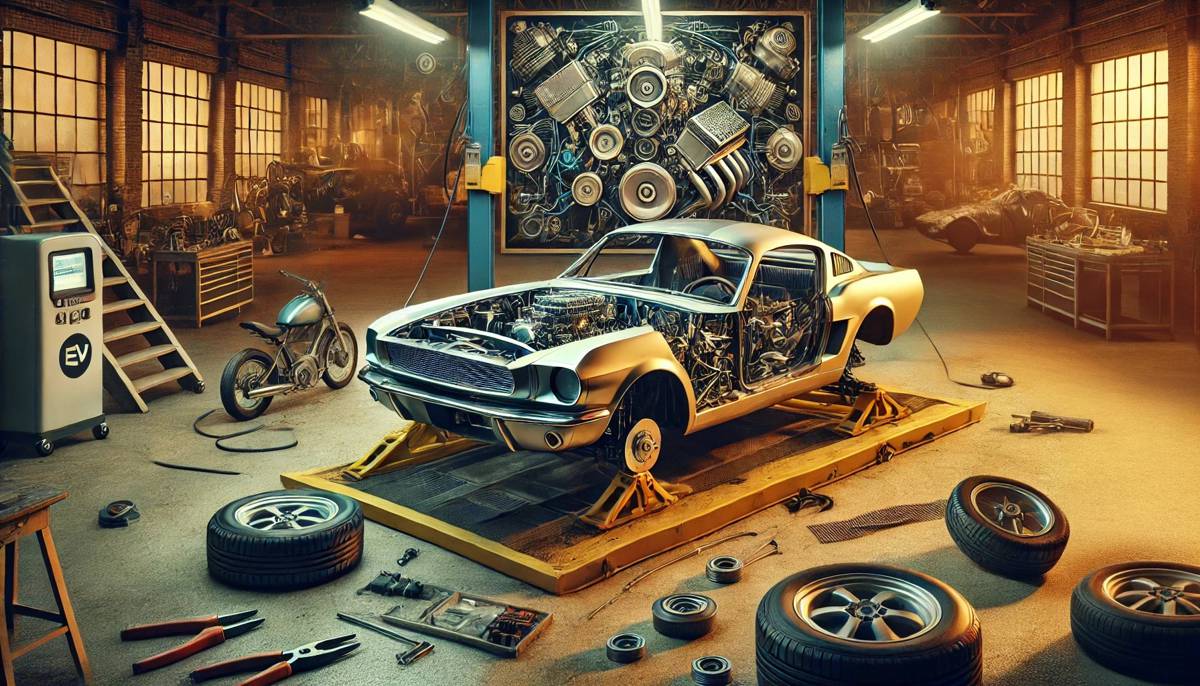
To bridge this gap, the restomod movement—a blending of restoration and modernization—has emerged as one of the fastest-growing trends in the automotive industry. Rather than keeping vehicles in museum-grade, factory-original condition, builders and owners are retrofitting classic chassis with contemporary mechanics, high-performance powertrains, advanced safety systems, and digital conveniences. This approach allows enthusiasts to enjoy the visual appeal of a vintage automobile while experiencing the turn-key reliability, comfort, and performance of a modern vehicle.
Updating a classic car with modern technology is no longer limited to minor cosmetic fixes or simple radio swaps. Today, it encompasses full electric conversions, computer-controlled suspensions, high-efficiency crate engines, and fully digital cockpit environments. This comprehensive guide explores how cutting-edge technology is redefining vintage automobiles, balancing historical integrity with modern drivability, and shaping the future of automotive preservation.
Engine Swaps and Modern Powertrain Innovations
The heart of any automobile modernization project lies under the hood. Traditional carbureted engines, while mechanically charming, require frequent tuning, seasonal adjustments, and careful warm-up routines. Modern powertrain upgrades eliminate these hassles while dramatically improving horsepower, fuel efficiency, and overall engine longevity.
Advanced Powertrain Upgrades for Vintage Vehicles
A. Electronic Fuel Injection (EFI) Retrofitting: Replacing old-school carburetors with modern bolt-on Electronic Fuel Injection systems is one of the most accessible and impactful upgrades for a classic car. Systems like self-tuning EFI kits monitor engine parameters in real time through oxygen sensors, manifold pressure sensors, and throttle position indicators. This continuous adjustment delivers instant throttle response, reliable cold starts regardless of ambient temperature, and noticeably improved fuel economy.
B. Modern Crate Engine Integration: For owners seeking complete powertrain overhauls, installing a factory-new crate engine offers modern engineering straight out of the box. Automotive manufacturers and specialized builders supply fully dressed V8, V6, or turbocharged inline engines equipped with modern engine control units (ECUs). These engines deliver linear power delivery, lower emissions, and long service intervals without compromising reliability.
C. Electronic Automatic and Multi-Speed Manual Transmissions: Classic four-speed manual or three-speed automatic transmissions frequently limit a vintage car’s highway capability, leading to high engine RPMs and excessive cabin noise. Swapping in modern five-speed or six-speed manual transmissions, or advanced electronic six-to-ten-speed automatics, lowers highway cruising RPM, reduces fuel consumption, and improves acceleration across all gear ranges.
The Rise of Electric Vehicle (EV) Classic Conversions
Perhaps the most radical evolution in the restomod sector is the conversion of classic internal combustion vehicles into pure zero-emission Electric Vehicles (EVs). Known as “electromodding,” this trend combines iconic vintage body styles with instant electric torque and low maintenance overhead.
Key Aspects of Electric Vintage Conversions
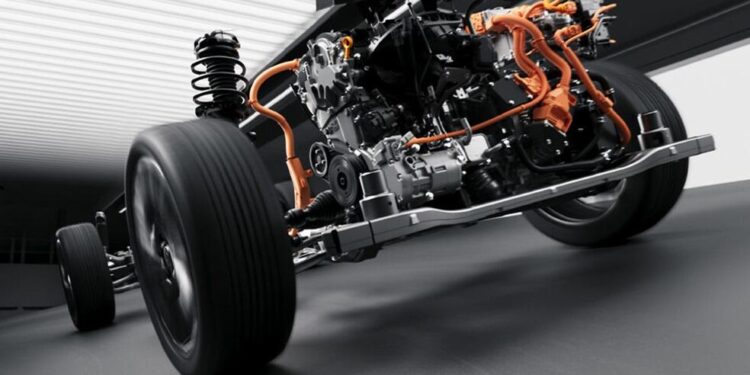
A. Modular Battery Pack Distribution: Installing electric drive systems into legacy chassis requires careful weight distribution planning. Builders utilize modular lithium-ion battery packs strategically placed in former fuel tank locations, engine bays, and trunk compartments to maintain or even improve the vehicle’s original center of gravity and handling balance.
B. Instant Torque and Direct Drive Performance: Electric motors generate maximum torque at zero RPM, providing classic vehicles with smooth, instantaneous acceleration that often surpasses their original combustion performance. The elimination of gear shifting creates a seamless, whisper-quiet driving experience suited for urban environments and long-distance cruises alike.
C. Regenerative Braking Systems: Converting a classic car to electric propulsion allows for the integration of regenerative braking. This technology reclaims kinetic energy during deceleration, routing power back into the battery pack to extend driving range while simultaneously reducing wear on the primary braking components.
Chassis, Suspension, and Braking System Overhauls
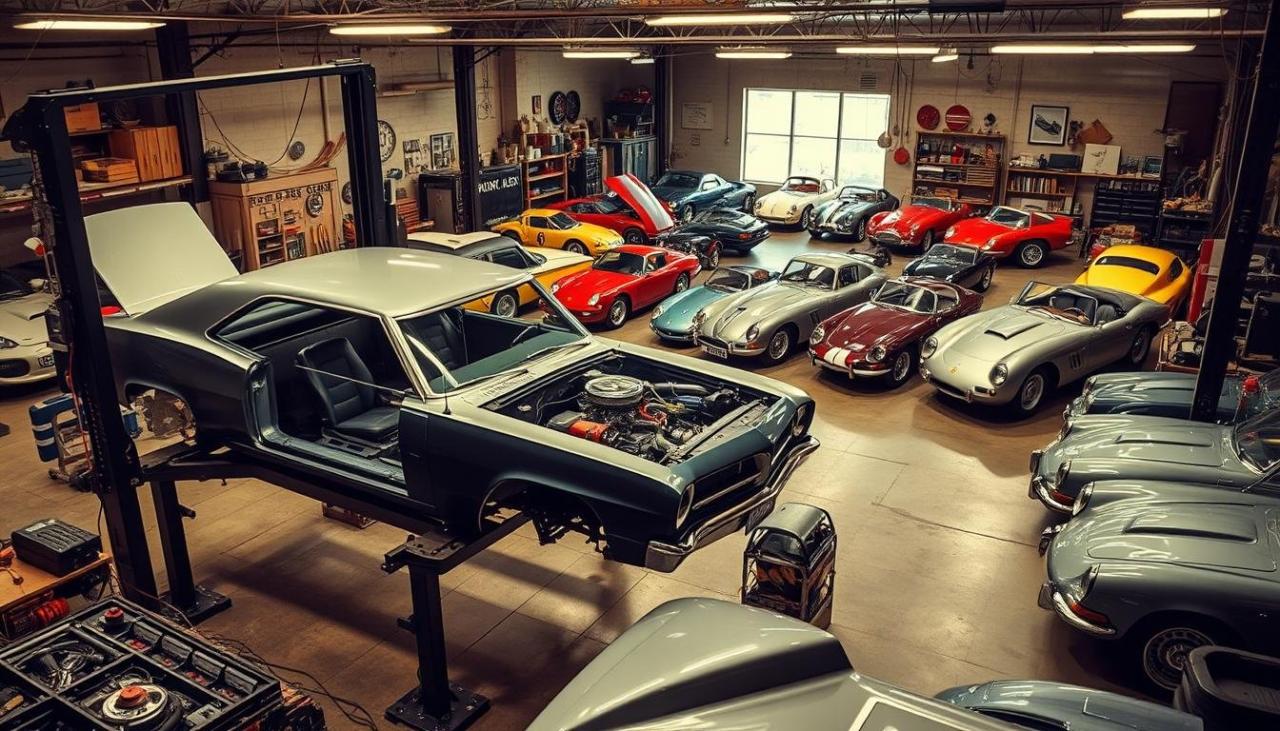
A powerful modern engine or electric motor requires a chassis capable of handling increased forces safely. Vintage suspension architecture and drum braking systems, designed decades ago, are ill-equipped to manage modern road conditions and speeds. Upgrading these mechanical foundations is essential for achieving safety and dynamic performance.
Essential Mechanical Enhancements
A. Four-Wheel Hydraulic Disc Brake Conversions: Traditional drum brakes are notorious for brake fade, long stopping distances, and inconsistent pulling under hard deceleration. Converting to multi-piston hydraulic disc brakes with ventilated rotors significantly decreases stopping distances, provides predictable pedal feel, and ensures thermal stability during aggressive driving.
B. Independent Rear Suspension (IRS) and Coilover Setup: Many vintage cars rely on rigid leaf springs and solid rear axles, which result in a harsh ride quality and unpredictable handling on uneven pavement. Installing modern independent rear suspension conversion kits, paired with fully adjustable coilover shocks, permits precise tuning of ride height, compression, and rebound damping.
C. Electric Power-Assisted Steering (EPAS): Heavy, unassisted steering setups make low-speed maneuvering and parking a grueling physical effort. Retrofitting an electric power-assisted steering column offers variable speed sensitivity, supplying maximum power assist during parking maneuvers while firming up at highway speeds for precise road feel.
Digital Cockpit Architecture and Infotainment Upgrades
While maintaining the period-correct appearance of a vintage interior is crucial for preserving aesthetic charm, modern drivers expect seamless connectivity, climate control, and clear instrumentation. Contemporary aftermarket manufacturers have mastered the art of hiding state-of-the-art technology behind retro-styled facades.
+-----------------------------------------------------------------------+
|                 MODERN VS. CLASSIC CABIN TECHNOLOGY                   |
+------------------------------------+----------------------------------+
| Traditional Vintage Setup          | Modernized Restomod Technology   |
+------------------------------------+----------------------------------+
| AM/FM Monolithic Radio             | Hidden Bluetooth & Apple CarPlay |
| Analog Mechanical Gauges           | Digital CAN-Bus Instrumentation  |
| Vacuum-Driven Heater Controls      | Microprocessor Climate Control   |
| Minimal Noise Insulation           | Multi-Layer Thermal Sound Barriers|
+------------------------------------+----------------------------------+
Interior Comfort and Connectivity Innovations
A. Period-Style Infotainment Systems: Modern head units designed specifically for classic dashboards mimic the exact visual aesthetics of 1960s or 1970s push-button radios. Beneath the chrome knobs and analog dials, however, these units feature modern Bluetooth connectivity, hands-free calling, auxiliary inputs, and full Apple CarPlay or Android Auto compatibility.
B. Custom Digital Instrument Clusters: Traditional mechanical speedometer cables and analog gauges are prone to calibration drift and mechanical failure. Modern replacement gauge clusters utilize electronic step-motors or high-resolution TFT display screens styled to resemble vintage analog dials, receiving accurate data directly from engine sensors via digital CAN-bus networks.
C. Integrated Climate Control Systems: Original heater boxes and early air conditioning units are often bulky, inefficient, and prone to leaks. Modern compact climate control systems fit neatly beneath the dashboard, utilizing electronic microprocessors and efficient compressors to maintain precise cabin temperatures regardless of outside weather conditions.
D. Acoustical and Thermal Insulation Technology: Older vehicles were manufactured with minimal sound insulation, leading to intrusive road noise, drone, and heat transfer from the exhaust system. Modern automotive restoration projects utilize multi-layer butyl and aluminum thermal-acoustic barriers applied to the floor pan, doors, and firewall to create a quiet, modern cabin environment.
Next-Generation Safety Infrastructure
Safety is arguably the area where classic automobiles lag furthest behind contemporary vehicles. Crumple zones, airbags, advanced lighting, and driver assistance features were non-existent during the golden era of automotive design. Integrating modern safety protocols without destroying the vehicle’s structural aesthetics is a cornerstone of professional restomodding.
Core Safety Upgrades for Classic Vehicles
A. High-Output LED Lighting Conversions: Original sealed-beam halogen headlights offer inadequate illumination by modern night-driving standards. Upgrading to high-output LED headlight assemblies—available in traditional round or rectangular shapes—dramatically improves nighttime visibility, reduces electrical power draw, and offers integrated daytime running lights.
B. Structural Reinforcement and Modern Seat Systems: Classic vehicle unibodies and frame rails often lack the rigidity necessary to protect occupants during high-energy impacts. Professional builders reinforce structural frame rails, install subtle subframe connectors, and integrate reinforced three-point lap-and-shoulder seatbelts attached to fortified mounting points.
C. Driver Assistance and Camera Integration: Modern blind-spot monitoring systems, parking sensors, and backup cameras can be unobtrusively integrated into classic vehicles. Rearview cameras can be hidden within license plate frames, displaying video feeds on unobtrusive screens hidden inside the rearview mirror or pop-out head units.
Electrical System Modernization and Smart Infrastructure
A common failure point in vintage automobiles is aging, degraded wiring. Original electrical harnesses were never engineered to handle the current demands of modern high-draw accessories, fuel pumps, cooling fans, and audio amplifiers. Completely rewiring the vehicle with modern electrical infrastructure is imperative for long-term safety and operational reliability.
Crucial Electrical Improvements
A. Complete Vehicle Wiring Harness Replacement: Replacing brittle, decades-old cloth or PVC wiring with modern automotive-grade wiring harnesses prevents short circuits and electrical fires. Modern harnesses feature color-coded, labeled wires, cross-linked polyethylene insulation, and modern blade-style fuse blocks for simple troubleshooting.
B. Alternator and Power Distribution Upgrades: Vintage low-output generators and alternators (often producing less than 35 to 50 amps) cannot power modern cooling fans, high-output audio systems, and digital electronics. Upgrading to high-output, internal-resistor alternators delivering 100 to 200 amps guarantees stable voltage across all electrical circuits.
C. Microprocessor-Controlled Power Modules: Advanced restomods utilize solid-state power distribution modules that replace traditional electromechanical relays. These smart units allow builders to program soft-start sequences for cooling fans, implement keyless push-button ignition systems, and monitor circuit loads through smartphone diagnostics apps.
Balancing Value, Heritage, and Investment Return
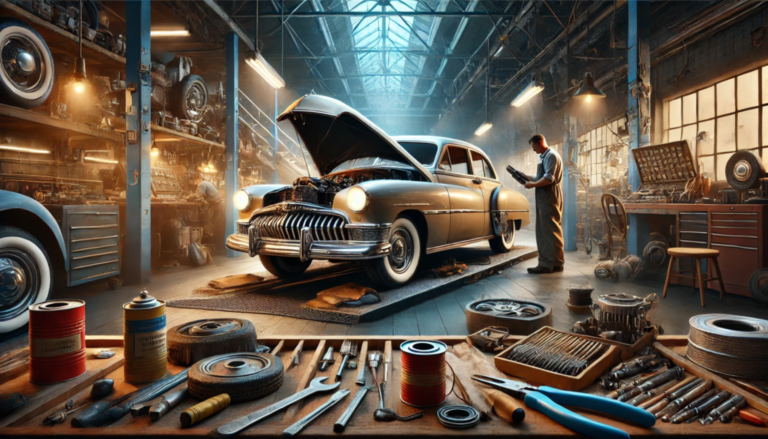
When undertaking a modern technology overhaul on a classic vehicle, owners must consider the balance between functional drivability and long-term market valuation. The automotive collector market views original and modified vehicles through distinct lenses.
+-----------------------------------------------------------------------+
|                    RESTOMOD INVESTMENT ANALYSIS                       |
+-----------------------------------+-----------------------------------+
| Factor                            | Impact on Value & Usability       |
+-----------------------------------+-----------------------------------+
| Originality vs. Utility           | Modifications boost daily utility |
| Reversibility of Modifications    | Preserves potential classic value |
| Build Documentation Quality       | Directly affects resale appraisal |
| Component Brand Reputation        | Enhances buyer confidence & price |
+-----------------------------------+-----------------------------------+
Strategic Planning Considerations
A. Evaluating Vehicle Rarity and Historical Significance: Modifying extremely rare, low-production matching-numbers classic cars can diminish their financial value among traditional collectors. Conversely, high-production models or vehicles missing their original powertrains are ideal candidates for extensive technological modernizations, often increasing their market value substantially upon completion.
B. Prioritizing Reversible Engineering: High-end restomod projects often employ custom brackets and bolt-on components that utilize existing factory mounting holes. Ensuring that structural modifications are reversible allows future owners the option to return the vehicle to its factory-original configuration if desired.
C. Documenting Build Architecture and Diagnostics: Maintaining complete schematic diagrams, component part numbers, and custom wiring guides is essential for long-term maintenance. Clear documentation ensures that standard repair shops or future owners can diagnose and service integrated aftermarket technology effortlessly.
Summary of the Modern Classic Experience
Modernizing a classic car with contemporary technology represents the ultimate synthesis of automotive art and engineering functionality. By pairing timeless body design, hand-crafted chrome details, and emotional heritage with modern fuel injection, advanced suspension geometry, integrated digital amenities, and robust safety hardware, builders eliminate the traditional drawbacks of vintage ownership.
Whether through subtle EFI conversions or full-scale electric powertrains, retrofitting classic automobiles ensures these historic icons remain functional, reliable, and thrilling to drive on today’s high-speed roads. As automotive technology continues to advance, the restomod movement guarantees that classic cars will not merely survive as static museum pieces, but will continue to thrive on the open road for generations to come.