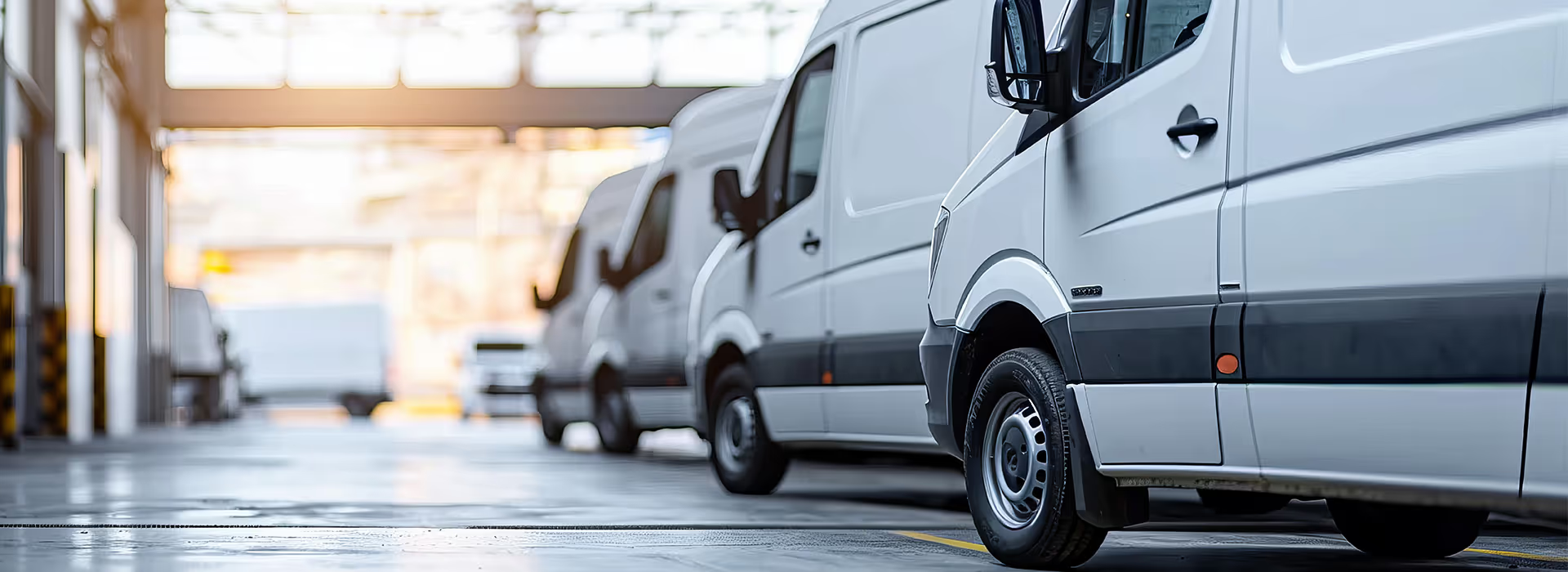
The modern transportation sector is undergoing a massive structural shift. The rapid expansion of global commerce, heightened consumer expectations for same-day delivery, and aggressive corporate sustainability targets have forced commercial fleet operators to rethink traditional operational models. Central to this transformation is commercial fleet automation a comprehensive ecosystem of interconnected technologies ranging from artificial intelligence (AI) and Internet of Things (IoT) sensors to autonomous navigation, predictive telemetry, and advanced cloud analytics platforms.
As global logistics networks grow increasingly intricate, managing commercial vehicles using fragmented or manual methods is no longer financially viable. Commercial fleet automation has moved from an experimental operational upgrade to a core strategic necessity for logistics firms, transit agencies, construction enterprises, and municipal services worldwide. Driven by rapid technological maturation and persistent systemic pressures such as driver shortages, rising fuel prices, and strict regulatory compliance mandates the commercial fleet automation market is experiencing unprecedented momentum.
┌────────────────────────────────────────────────────────────────────────┐
│                   COMMERCIAL FLEET AUTOMATION ECOSYSTEM                 │
└────────────────────────────────────────────────────────────────────────┘
                                    │
         ┌──────────────────────────┼──────────────────────────┐
         ▼                          ▼                          ▼
┌─────────────────┐        ┌─────────────────┐        ┌─────────────────┐
│  DATA CAPTURE   │        │ INTELLIGENT AI  │        │   OPERATIONAL   │
│  & SENSING      │        │ PROCESSING      │        │   EXECUTION     │
├─────────────────┤        ├─────────────────┤        ├─────────────────┤
│ • IoT Telematics│  ───►  │ • Route Engines │  ───►  │ • Automated     │
│ • CAN Bus Hubs  │        │ • Predictive    │        │   Dispatching   │
│ • HD Cameras    │        │   Maintenance   │        │ • Autonomous    │
│ • OBD Hardware  │        │ • Safety Analysis│       │   Navigation    │
└─────────────────┘        └─────────────────┘        └─────────────────┘
Market Dynamics and Valuation Projections
To fully comprehend the structural trajectory of commercial fleet automation, it is crucial to analyze the market’s overarching financial performance and long-term valuation metrics. The global industry is entering a sustained period of double-digit compound annual growth.
+-------------------------------------------------------------------------+
|                  MARKET METRICS OVERVIEW (2025 - 2035)                  |
+------------------------------------+------------------------------------+
| Base Market Valuation (2025)       | $27.0 Billion USD                  |
| Projected Valuation (2035)         | $122.3 Billion USD                 |
| Forecasted CAGR (2026 - 2035)      | 16.9%                              |
| Fastest Growing Segment            | Software & AI Analytics (17.1% CAGR)|
| Key Regional Market Leader         | North America                      |
| Fastest Emerging Regional Market   | Asia-Pacific                       |
+------------------------------------+------------------------------------+
Market research indicates that software platforms and SaaS infrastructure account for nearly half of all total market revenue. Hardware components, including telematics control units, video safety dashcams, and onboard diagnostic sensors, represent the foundational hardware tier that feeds real-time telemetry into these intelligent software layers.
Core Technological Pillars of Automated Fleets
Commercial fleet automation relies on a complex hierarchy of interconnected systems that work together in real time. Rather than operating as isolated components, these technologies function as a unified operational stack.
┌────────────────────────────────────────────────────────────────────────┐
│                     THE AUTOMATION TECHNOLOGY STACK                    │
├────────────────────────────────────────────────────────────────────────┤
│ A. AUTONOMOUS DRIVING & VEHICLE CONTROL SYSTEMS                        │
│    • Level 2 to Level 4 Autonomous Highway Trucking                    │
│    • Automated Yard Management & Internal Facility Spotting           │
├────────────────────────────────────────────────────────────────────────┤
│ B. ADVANCED TELEMATICS & IOT DIAGNOSTICS                               │
│    • Real-Time Controller Area Network (CAN Bus) Monitoring            │
│    • Predictive Failure Analytics & Automated Service Scheduling       │
├────────────────────────────────────────────────────────────────────────┤
│ C. AI-POWERED ROUTE OPTIMIZATION & DISPATCHING                         │
│    • Dynamic Weather, Traffic, & Load-Balancing Algorithms             │
│    • Automated Driver-To-Cargo Matching & Job Assignment              │
├────────────────────────────────────────────────────────────────────────┤
│ D. INTEGRATED VIDEO SAFETY & DRIVER MONITORING (DMS)                   │
│    • In-Cabin Machine Vision Dashcams for Distraction Detection       │
│    • Automated Safety Scoring & Real-Time Driver Coaching              │
└────────────────────────────────────────────────────────────────────────┘
Key Drivers Accelerating Market Adoption
The worldwide surge in fleet automation is propelled by a combination of economic incentives, severe labor constraints, and external operational pressures.
+-------------------------------------------------------------------------+
|                    PRIMARY MARKET GROWTH DRIVERS                        |
+-------------------+-----------------------------------------------------+
| Driver Category   | Specific Industry Pressure                          |
+-------------------+-----------------------------------------------------+
| Labor Economics   | Global shortage of qualified commercial drivers     |
| Cost Mitigation   | Fuel cost volatility and high maintenance downtime  |
| Commerce Demand   | Exponential expansion of same-day e-commerce volume |
| Regulatory Push   | Strict mandates on driver hours and emissions       |
+-------------------+-----------------------------------------------------+
Severe Labor Shortages and High Turnover
The commercial transportation industry faces a persistent, structural shortage of long-haul and regional drivers. Demographics indicate an aging workforce, while high turnover rates exacerbate operational instability. Fleet automation directly addresses this crisis through two distinct mechanisms:
A. Automated driving technologies—such as highway platooning and self-driving long-haul freight trucks—allow fleets to maintain long-haul operations with fewer drivers.
B. Automated administrative dispatch and AI route scheduling minimize non-driving workload, reducing driver fatigue and burnout, which directly improves driver retention rates.
Escalating Operational Costs and Fuel Volatility
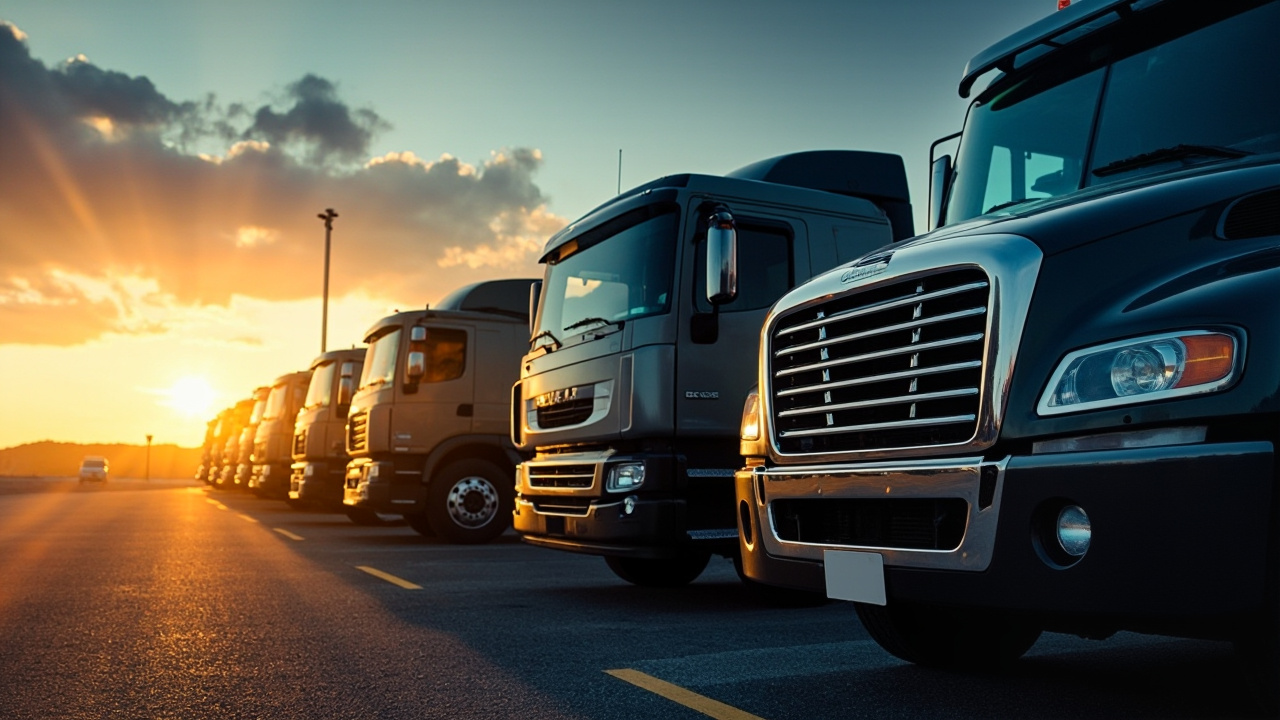
Fuel consumption and unscheduled maintenance breakdowns represent the two largest variable expenses for commercial fleet operators. Automated fleet systems actively mitigate these financial burdens:
A. AI-powered route planning continuously calculates optimal paths, minimizing unnecessary idling and avoiding high-congestion corridors.
B. Machine learning predictive diagnostics identify mechanical wear—such as brake degradation or engine temperature anomalies—before severe failure occurs. Studies show predictive maintenance cuts breakdown costs by 25% to 30% and reduces unscheduled downtime from 10% down to under 4%.
E-Commerce Expansion and Last-Mile Logistics
The rapid growth of online retail has transformed delivery logistics. Customers now demand hyper-accurate delivery windows, real-time package tracking, and same-day fulfillment. Manual dispatchers cannot optimize complex urban distribution networks at this speed or scale. Automated dispatching, dynamic load balancing, and automated last-mile routing software allow logistics providers to meet these customer standards without expanding administrative overhead.
Technical Architecture of Modern Fleet Automation
To understand how commercial fleet automation operates in practice, it is necessary to examine the underlying technical architecture. Data moves continuously through four key stages:
┌─────────────────┐     ┌─────────────────┐     ┌─────────────────┐     ┌─────────────────┐
│ 1. EDGE SENSORS │ ──► │ 2. TELEMATICS   │ ──► │ 3. CLOUD AI     │ ──► │ 4. AUTOMATED    │
│    & HARDWARE   │     │    GATEWAY      │     │    ENGINE       │     │    ACTION       │
└─────────────────┘     └─────────────────┘     └─────────────────┘     └─────────────────┘
A. Edge Sensors & Hardware Layer: Thousands of data points are collected every second by onboard equipment, including engine ECU connections, GPS modules, radar, LiDAR, tire pressure monitors, and cabin cameras.
B. Telematics Gateway: The raw vehicle data is compiled by an onboard telematics control unit (TCU). Using high-speed 5G or satellite connectivity, the TCU securely streams this telemetry to the central cloud platform.
C. Cloud AI Processing Engine: Cloud servers run machine learning algorithms on incoming data streams. The system compares real-time metrics against historical performance baselines to detect anomalies, update route calculations, and generate predictive alert notifications.
D. Automated Operational Action: The output triggers immediate automated responses. Dispatch software reroutes a driver to avoid a sudden road closure, maintenance platforms automatically order replacement parts and schedule a service bay, and driver safety systems trigger gentle audio alerts in the cabin if risk factors are detected.
Structural Benefits for Business Operations
Adopting full-stack commercial fleet automation delivers clear operational benefits across four core operational metrics:
+-------------------------------------------------------------------------+
|                  MEASURABLE OPERATIONAL IMPROVEMENTS                    |
+----------------------------------+--------------------------------------+
| Metric Performance Category      | Average Enterprise Impact            |
+----------------------------------+--------------------------------------+
| Fuel Efficiency Improvement      | 10% to 15% Reduction in Consumption  |
| Vehicle Downtime Reduction       | 25% to 30% Fewer Unscheduled Stops   |
| Safety & Collision Reduction     | 30% to 35% Decrease in Incidents     |
| Fleet Utilization Rate           | 15% to 20% Higher Asset Capacity     |
+----------------------------------+--------------------------------------+
A. Substantial Fuel Cost Reductions: Fleet automation lowers fuel burn by curbing aggressive driving, enforcing efficient speeds, and optimizing route geometry.
B. Enhanced Fleet Uptime: Vehicles earn revenue only when actively moving cargo. Automated maintenance scheduling transforms unexpected failures into controlled, scheduled repairs during off-peak hours.
C. Improved Driver Safety and Reduced Liability: Advanced driver assistance systems (ADAS) combined with AI video analytics alert drivers to lane drift, tailgating, and drowsiness. Lowering accident rates protects personnel and significantly cuts insurance premiums and legal liabilities.
D. Streamlined Regulatory Compliance: Managing hours-of-service (HOS), electronic logging device (ELD) records, fuel tax reporting (IFTA), and vehicle inspection reports manually consumes hundreds of administrative hours. Automation continuously logs compliance metrics in real time, eliminating manual paperwork errors and regulatory fines.
Challenges and Implementation Barriers
Despite its clear advantages, the broad deployment of commercial fleet automation faces technical, financial, and organizational hurdles.
┌────────────────────────────────────────────────────────────────────────┐
│                   MAIN IMPLEMENTATION CHALLENGES                       │
└────────────────────────────────────────────────────────────────────────┘
                                    │
         ┌──────────────────────────┼──────────────────────────┐
         ▼                          ▼                          ▼
┌─────────────────┐        ┌─────────────────┐        ┌─────────────────┐
│   CAPITAL &     │        │ SYSTEM SILOS &  │        │ CYBERSECURITY & │
│ INTEGRATION COST│        │ LEGACY HARDWARE │        │ DATA PRIVACY    │
├─────────────────┤        ├─────────────────┤        ├─────────────────┤
│ High upfront    │        │ Fragmented      │        │ Cloud-connected │
│ investment for  │        │ software models │        │ fleets present  │
│ retrofitting or │        │ create isolated │        │ expanded cyber  │
│ new fleets.     │        │ data silos.     │        │ attack vectors. │
└─────────────────┘        └─────────────────┘        └─────────────────┘
A. High Upfront Capital Requirements: Outfitting hundreds or thousands of commercial vehicles with edge hardware, high-definition sensors, and software licenses requires substantial capital outlay. While long-term ROI is clear, smaller fleet operators often struggle with initial financing.
B. Legacy Infrastructure and System Fragmentation: Many commercial operators rely on disconnected software applications—one system for tracking, another for fuel, and a third for payroll. Integrating these legacy platforms into a modern, unified automated workflow demands extensive software integration work.
C. Cybersecurity Threats and Data Governance: As commercial fleets become connected edge computing networks, vulnerability to cyberattacks increases. Malicious interference with autonomous control networks, fleet management servers, or GPS signals presents serious operational risks that require enterprise-grade cybersecurity standards.
Regional Adoption and Strategic Outlook
Commercial fleet automation adoption varies significantly by region due to local regulatory environments, infrastructure readiness, and economic pressures.
+-------------------------------------------------------------------------+
|                  REGIONAL ADOPTION CHARACTERISTICS                      |
+-------------------+-----------------------------------------------------+
| Region            | Market Characteristics & Driving Factors            |
+-------------------+-----------------------------------------------------+
| North America     | • Leads global market revenue share                 |
|                   | • High adoption of AI telematics & safety camera systems|
|                   | • Driven by strict ELD enforcement & driver shortage|
+-------------------+-----------------------------------------------------+
| Europe            | • Focus on sustainability & emissions automation    |
|                   | • Aggressive adoption of commercial EV management   |
|                   | • Strong regulatory push for mandatory ADAS         |
+-------------------+-----------------------------------------------------+
| Asia-Pacific      | • Fastest-growing regional market                   |
|                   | • Rapid expansion of e-commerce delivery networks   |
|                   | • Heavy investments in smart highway infrastructure |
+-------------------+-----------------------------------------------------+
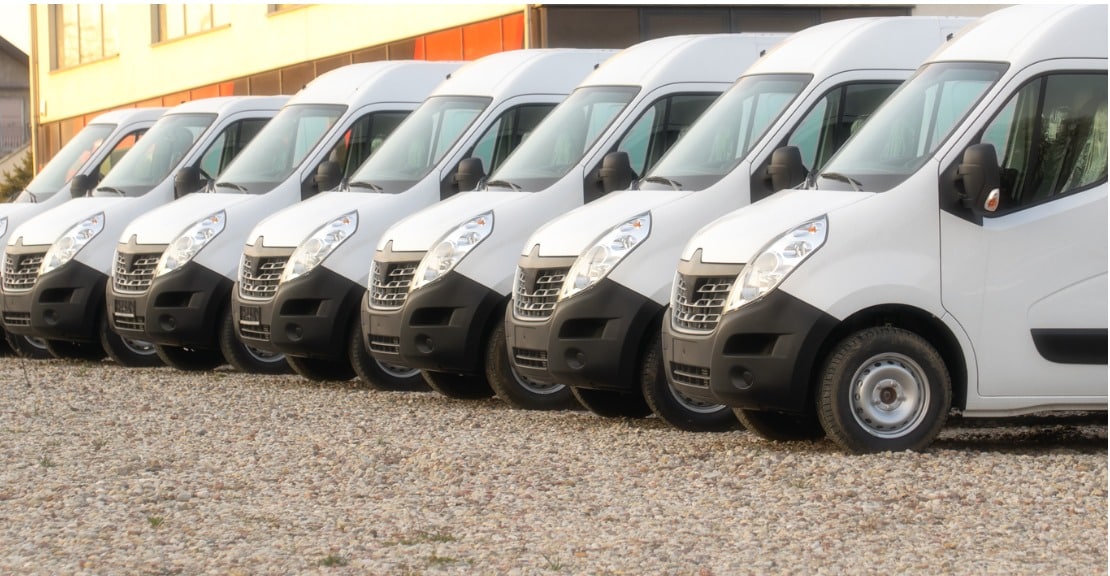
A. North America: Supported by mature digital infrastructure and large corporate fleets, North America holds the largest revenue share in commercial fleet automation. Demand is driven by strict safety regulations, extensive cross-country shipping routes, and an acute commercial driver shortage.
B. Europe: European adoption focuses heavily on sustainability, carbon accounting, and regulatory compliance. The region leads in deploying automated energy management systems for commercial electric vehicles (EVs).
C. Asia-Pacific: Asia-Pacific represents the fastest-growing market. Rapid urbanization, expanding e-commerce logistics in countries like China and India, and government-backed smart transport infrastructure are accelerating automated fleet investments.
Future Strategic Roadmap: What Lies Ahead
The future of commercial fleet automation will be shaped by the convergence of several emerging technologies.
┌────────────────────────────────────────────────────────────────────────┐
│                   FUTURE STRATEGIC INNOVATIONS                         │
├────────────────────────────────────────────────────────────────────────┤
│ A. ELECTRIFICATION AUTOMATION (EV FLEET INTEGRATION)                   │
│    • Automated Smart Charging & Off-Peak Grid Optimization             │
│    • Real-Time Battery Degradation Tracking & Range Calculation        │
├────────────────────────────────────────────────────────────────────────┤
│ B. GENERATIVE AI & VOICE-DRIVEN COPILOTS                               │
│    • Natural Language Interfaces for Fleet Operators & Dispatchers     │
│    • Automated Scenario Modeling for Complex Logistics Chains          │
├────────────────────────────────────────────────────────────────────────┤
│ C. V2X (VEHICLE-TO-EVERYTHING) COMMUNICATION                           │
│    • Direct Telemetry Exchange Between Fleets & Traffic Systems        │
│    • Cooperative Autonomous Platooning on Highways                     │
└────────────────────────────────────────────────────────────────────────┘
A. Commercial EV Fleet Automation Integration: As fleets transition to electric powertrains, automation systems are evolving to manage charging schedules, battery health monitoring, and grid load management. Automated algorithms calculate route assignments based on real-time charge levels, cargo weight, ambient temperature, and charger availability.
B. Generative AI Copilots for Dispatch: Enterprise software systems are integrating conversational AI assistants. Dispatchers can now query fleet management systems in plain language to solve complex operational problems, run real-time scenario simulations, and automatically adjust schedules.
C. 5G-Powered Vehicle-to-Everything (V2X) Connectivity: Ultra-low latency 5G networks enable vehicles to communicate directly with traffic signals, highway infrastructure, and surrounding commercial transport units. This network foundation paves the way for safe, high-speed autonomous platooning, further lowering wind resistance, fuel consumption, and transit times.
Conclusion and Strategic Takeaways
Commercial fleet automation is fundamentally reshaping global transport and logistics. Operators who invest in connected telematics, predictive AI analytics, and automated operational platforms gain a durable competitive advantage. By cutting operating costs, improving driver safety, ensuring regulatory compliance, and maximizing uptime, automation helps fleet managers build resilient, scalable logistics networks prepared for the future of commercial mobility.