The modern automotive industry is currently experiencing a historic paradigm shift, moving rapidly away from traditional mechanical hardware and heading straight toward software-defined mobility solutions. At the absolute core of this monumental evolution lies the Next-Gen Smart Connected Cockpit. No longer just an assembly of basic analog gauges, plastic switches, and simple infotainment displays, the modern vehicle cabin has officially transformed into a hyper-connected, artificially intelligent digital hub. This sophisticated ecosystem seamlessly bridges the gap between raw automotive performance, human-centric design, personal productivity, and immersive digital entertainment.
As global car buyers increasingly prioritize digital features, seamless smartphone integration, autonomous driving aids, and personalized in-cabin experiences over traditional metrics like horsepower or engine displacement, auto manufacturers are investing billions into modernizing the cockpit. This complete guide explores the essential components, emerging tech trends, software architectures, security measures, and future horizons defining the next generation of smart connected cockpits.
Understanding the Smart Connected Cockpit Evolution
To truly appreciate the massive technological leap represented by today’s connected cockpits, it is important to understand how drastically the interior vehicle environment has changed over recent decades.
+-----------------------------------------------------------------------+
|                       THE COCKPIT EVOLUTION                          |
+-----------------------------------------------------------------------+
| ERA 1: Traditional Mechanical Cabin                                   |
|   • Analog meters, physical knobs, basic AM/FM radios                 |
+-----------------------------------------------------------------------+
                                  │
                                  ▼
+-----------------------------------------------------------------------+
| ERA 2: Early Digital Architecture                                     |
|   • Isolated LCD screens, resistive touch panels, basic Bluetooth     |
+-----------------------------------------------------------------------+
                                  │
                                  ▼
+-----------------------------------------------------------------------+
| ERA 3: The Next-Gen Smart Cockpit Ecosystem                           |
|   • AI personalization, central compute systems, immersive displays  |
+-----------------------------------------------------------------------+
The transformation of the driver’s seat can be categorized through three distinct eras:
-
A. Traditional Mechanical Era: Driver interaction relied strictly on mechanical switches, analog needles, mechanical odometers, and standalone audio units. Information delivery was entirely reactive and passive.
-
B. Early Digital Integration Era: Manufacturers began introducing small digital displays, basic GPS navigation units, and resistive touchscreens. However, these systems operated in absolute isolation with zero cloud communication capabilities.
-
C. Connected Intelligent Era: Today’s cockpits rely on centralized domain controllers, high-speed 5G networking, predictive artificial intelligence, and multi-display digital architectures that continuously update over the air.
Core Pillars of Next-Gen Cockpit Architecture
The implementation of a next-generation smart connected cockpit requires a massive, coordinated synergy between powerful hardware platforms, hyper-responsive display systems, and multi-layered software stacks.
+-----------------------------------------------------------------------+
|                SMART CONNECTED COCKPIT ARCHITECTURE                   |
+-----------------------------------------------------------------------+
|                             SYSTEM UI/UX                              |
|           Digital Cluster | HUD | Passenger Displays | Voice          |
+-----------------------------------------------------------------------+
                                    │
                                    ▼
+-----------------------------------------------------------------------+
|                         OPERATING SYSTEMS                             |
|          Android Automotive | QNX Neutrino | Automotive Linux         |
+-----------------------------------------------------------------------+
                                    │
                                    ▼
+-----------------------------------------------------------------------+
|                      CENTRAL COMPUTE HARDWARE                         |
|            High-Performance System-on-Chip (SoC) / Neural Engine      |
+-----------------------------------------------------------------------+
1. High-Performance Compute Solutions
In legacy vehicle configurations, every interior function—from the climate control panel to the instrument cluster—was managed by a dedicated Electronic Control Unit (ECU). Modern cockpits consolidate these fragmented units into unified, high-performance Cockpit Domain Controllers (CDCs) powered by advanced System-on-Chip (SoC) processors.
These high-performance chips feature dedicated Neural Processing Units (NPUs) designed specifically to handle complex machine learning algorithms, high-resolution graphics rendering across multiple displays, and multi-channel audio processing in real time.
2. Revolutionary Display Architectures
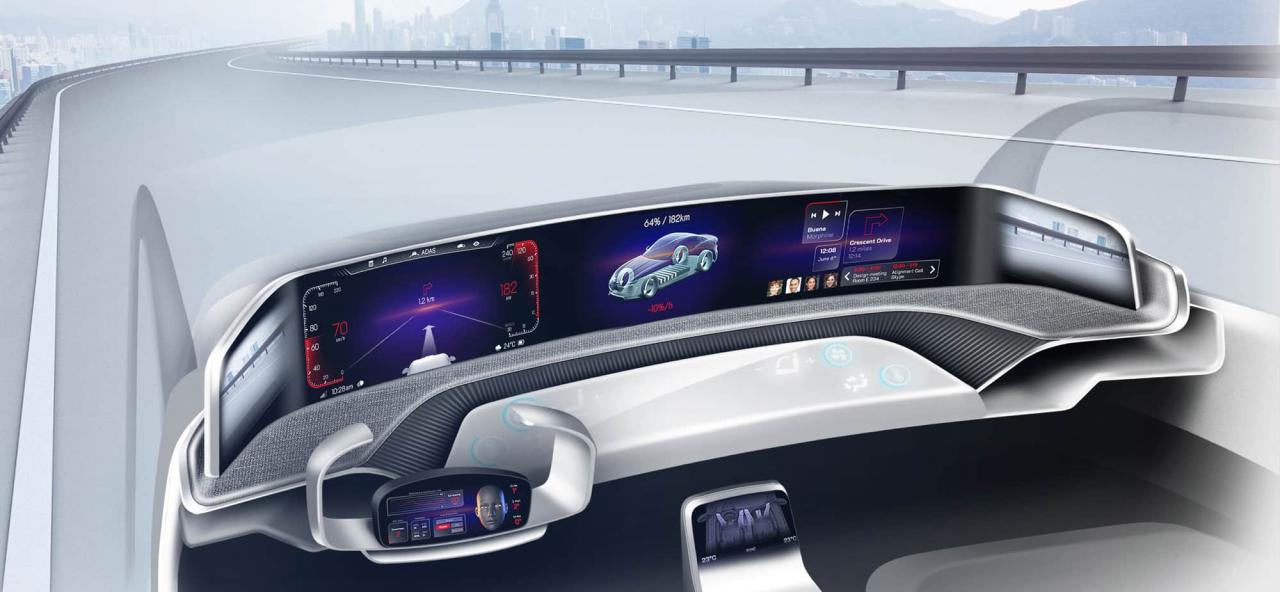
Modern displays are moving well beyond standard rectangular screens mounted on the center dashboard console. Today’s cockpit layouts incorporate breathtaking display innovations:
-
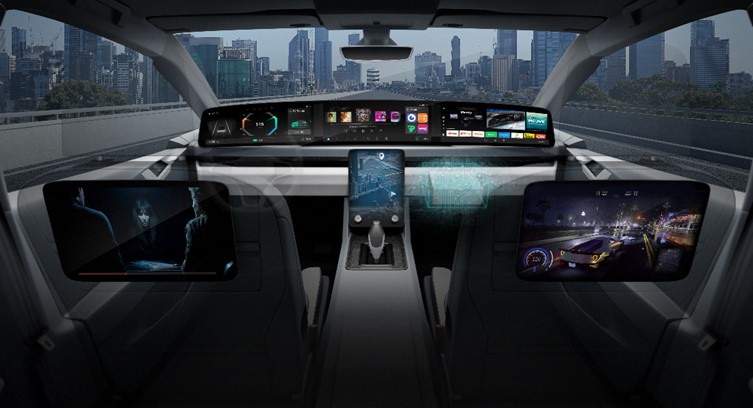
A. Pillar-to-Pillar Displays: Continuous glass panels stretching across the entire width of the vehicle interior, offering dedicated zones for the driver, central navigation, and front-passenger entertainment.
-
B. OLED and Mini-LED Panels: Display technologies providing near-infinite contrast ratios, deep black levels, high energy efficiency, and uncompromised visibility under direct sunlight.
-
C. Augmented Reality Head-Up Displays (AR-HUD): Advanced projection systems projecting navigation paths, lane guidance cues, speed warnings, and hazard detection icons directly onto the driver’s forward field of view on the windshield glass.
-
D. Smart Surface Technology: Functional touch surfaces integrated directly into soft interior materials, wood trims, and glass panels, illuminating active controls only when a hand approaches.
Key Technologies Driving Modern In-Cabin Intelligence
What makes a cockpit genuinely “smart” is its capacity to sense, predict, adapt, and respond intelligently to the presence and preferences of both the driver and passengers.
+-----------------------------------------------------------------------+
|                        IN-CABIN TECH STACK                            |
+-----------------------------------------------------------------------+
|  [Driver Monitoring System] ----> [Predictive AI Personalization]     |
|                                                  │                    |
|                                                  ▼                    |
|  [Sensory Spatial Audio]    <---- [Natural Voice Assistants]          |
+-----------------------------------------------------------------------+
To create an intuitive human-machine interface (HMI), manufacturers combine several core technologies:
-
A. Driver and Occupancy Monitoring Systems: Near-infrared interior cameras coupled with computer vision algorithms continuously assess driver alertness, eye gaze directions, posture, and fatigue indicators. If the system detects drowsiness, it initiates targeted multi-sensory alerts.
-
B. Generative AI Voice Assistants: Basic, rigid voice command systems are quickly being replaced by Large Language Model (LLM) voice assistants. Passengers can communicate using natural conversational language to control vehicle settings, draft emails, ask complex questions, or plan trip itineraries dynamically.
-
C. Personalized Contextual Experience: Utilizing biometric authentication such as facial recognition, fingerprint scanning, or smartphone proximity, the cockpit instantly loads custom seating positions, mirror angles, climate preferences, ambient lighting themes, and preferred media playlists.
-
D. Immersive Spatial Audio Systems: High-end acoustic architectures turn the car cabin into a mobile sound studio. Individual headrest speakers allow distinct audio zones, enabling the driver to listen to turn-by-turn navigation cues while the front passenger enjoys a private movie stream without interference.
The Power of Vehicle-to-Everything (V2X) Communication
A smart cockpit cannot exist in complete isolation. True intelligence relies on continuous interaction with surrounding transportation infrastructure, surrounding vehicles, local cellular networks, and cloud computing resources.
                                [ Cloud Services ]
                                        │
                                        ▼
[ Surrounding Vehicles (V2V) ] <---> [ SMART COCKPIT ] <---> [ Infrastructure (V2I) ]
                                        ▲
                                        │
                                [ Pedestrians (V2P) ]
The integration of 5G Vehicle-to-Everything (V2X) technology unlocks unprecedented capabilities:
-
A. Vehicle-to-Infrastructure Connectivity: The cockpit receives real-time traffic signal timing data, allowing the central computer to calculate optimum driving speeds to clear green lights continuously without stopping.
-
B. Vehicle-to-Vehicle Warning Systems: Vehicles broadcast immediate telemetry data regarding sudden emergency braking maneuvers, icy roads, or blind-spot hazards directly to neighboring cars before visual contact is even possible.
-
C. Vehicle-to-Cloud Integration: High-speed cloud computing platforms continuously analyze telemetry data, updating live navigation routes around unexpected traffic jams and managing electric vehicle charging reservation queues dynamically.
-
D. Over-the-Air Software Updates: Vehicle owners no longer need to visit dealerships for software upgrades. Bug fixes, new HMI themes, upgraded driving assistance features, and fresh infotainment apps are delivered seamlessly over cellular networks while the car rests overnight.
The Software Architecture Landscape
Building a secure, stable, and highly responsive smart cockpit environment requires complex automotive operating system frameworks. Engineers must run latency-critical driver safety functions right alongside rich passenger entertainment applications without allowing either system to compromise the other.
| Operating System | Primary Strength | Use-Case Application |
| QNX Neutrino | Microkernel, Functional Safety, High Stability | Instrument Clusters, AR-HUD, Driver Diagnostics |
| Android Automotive OS | Massive App Ecosystem, Native Google Services | Main Center Infotainment, Passenger Screens |
| Automotive Grade Linux | Open-source, Fully Customizable, Flexible | Custom Brand Infotainment & Telematics Systems |
To achieve this coexistence, automotive software developers utilize advanced Hardware Hypervisors. A hypervisor creates isolated virtual machines on a single chip. This guarantees that even if a third-party multimedia app crashes on the passenger screen, the digital instrument cluster rendering vital speed indicators and safety alerts remains completely unaffected.
Cyber Security and Data Privacy in Connected Interiors
Because modern smart cockpits constantly collect, process, and transmit vast amounts of personal information—including biometric data, real-time location logs, interior video feeds, and payment information—cybersecurity has become a top priority for automakers.
+-----------------------------------------------------------------------+
|                    COCKPIT CYBERSECURITY LAYERS                      |
+-----------------------------------------------------------------------+
|  [ Layer 1: Hardware Security Modules (HSM) & Cryptographic Keys ]     |
|                                  │                                    |
|  [ Layer 2: Secure Boot Architecture & Encrypted Firmware ]           |
|                                  │                                    |
|  [ Layer 3: Encrypted Cellular V2X Communication Gateways ]          |
|                                  │                                    |
|  [ Layer 4: Real-time Intrusion Detection Systems (IDS) ]            |
+-----------------------------------------------------------------------+
Automotive cybersecurity framework strategies prioritize robust, multi-layer protection:
-
A. Hardware Security Modules: Dedicated cryptographic silicon chips within the cockpit controller securely manage encryption keys, preventing unauthorized third parties from flashing malicious firmware to core components.
-
B. End-to-End Data Encryption: All communications traveling between the cockpit sensors, the cellular modem, and cloud infrastructure are locked using advanced encryption algorithms.
-
C. Anonymized On-Device Biometric Storage: Biometric profile data such as face scans and voiceprints are processed and stored locally on secure enclaves within the vehicle, ensuring raw personal files never leave the car.
-
D. Real-time Intrusion Detection Systems: Smart firewall solutions continuously monitor interior automotive bus networks, instantly identifying and blocking suspicious communication patterns or unauthorized access attempts.
Monetization Models and Ecosystem Monetization
The transition to software-centric smart cockpits provides automotive OEMs with new, high-margin revenue streams that extend far beyond traditional single-instance vehicle sales.
+-----------------------------------------------------------------------+
|                   AUTOMOTIVE SOFTWARE MONETIZATION                    |
+-----------------------------------------------------------------------+
|  [ Features-on-Demand ]   ---> ( heated seats, adaptive lighting )    |
|  [ Digital Subscriptions ] ---> ( 5G Wi-Fi, satellite audio streaming )|
|  [ In-Car Marketplace ]   ---> ( toll payments, parking reservations )|
|  [ Content Partnerships ]  ---> ( native video games, OTT streaming )  |
+-----------------------------------------------------------------------+
Major revenue streams being activated within modern connected interiors include:
-
A. Feature-on-Demand Models: Owners can temporarily unlock or permanently purchase premium hardware features such as performance boosts, advanced driver assistance modes, adaptive Matrix LED headlight modes, or heated steering functionality directly through the dashboard screen.
-
B. Recurring Service Subscriptions: Automakers offer continuous service tiers providing high-speed 5G Wi-Fi hotspots, real-time dynamic traffic mapping, remote vehicle climate controls, and high-fidelity streaming media services.
-
C. In-Cabin Transaction Ecosystems: Integrated payment gateways allow drivers to automatically pay for EV charging sessions, highway tolls, parking garage fees, and drive-thru food orders directly through the dashboard interface without pulling out a credit card.
-
D. Content and Gaming Partnerships: High-performance cockpit processors enable console-quality video gaming on passenger displays, complete with connected wireless controllers, while native streaming apps provide movie theater experiences while waiting at charging stations.
Major Challenges Facing Cockpit Developers
Despite rapid progress in digital interior design, engineers and interior designers continue to navigate significant technical, practical, and safety challenges.
-
A. Driver Distraction and Cognitive Load: As displays grow larger and features become more complex, designers must avoid overwhelming drivers with visual clutter. Maintaining strict interface simplicity and intuitive ergonomics is essential to keeping eyes focused on the road.
-
B. Thermal Management and Power Consumption: High-performance SoCs running intense AI models and multiple high-brightness displays generate significant heat and consume valuable power, directly impacting electric vehicle driving range if not properly optimized.
-
C. Long-Term Hardware Longevity: Consumer electronics like smartphones are replaced every two to three years, but passenger vehicles are expected to operate reliably for fifteen years or more. Cockpit hardware must be engineered to withstand severe temperature fluctuations while remaining capable of running future software updates.
-
D. Complex Global Data Compliance: Automakers operating across international borders must navigate strict, regional privacy regulations regarding data collection, driver telemetry storage, and camera surveillance compliance.
Emerging Trends and Future Horizons
Looking toward the next decade, smart connected cockpits will continue to evolve alongside advancing autonomous driving capabilities, turning car interiors into multi-functional living spaces.
+-----------------------------------------------------------------------+
|                    THE FUTURE IN-CABIN EXPERIENCE                     |
+-----------------------------------------------------------------------+
|                                                                       |
|   [ Fully Autonomous Driving ] ──► Interior Transforms Into:           |
|                                     • Mobile Executive Office         |
|                                     • Personal Entertainment Suite    |
|                                     • Health & Wellness Sanctuary     |
|                                                                       |
+-----------------------------------------------------------------------+
Key trends shaping the future of interior automotive mobility include:
-
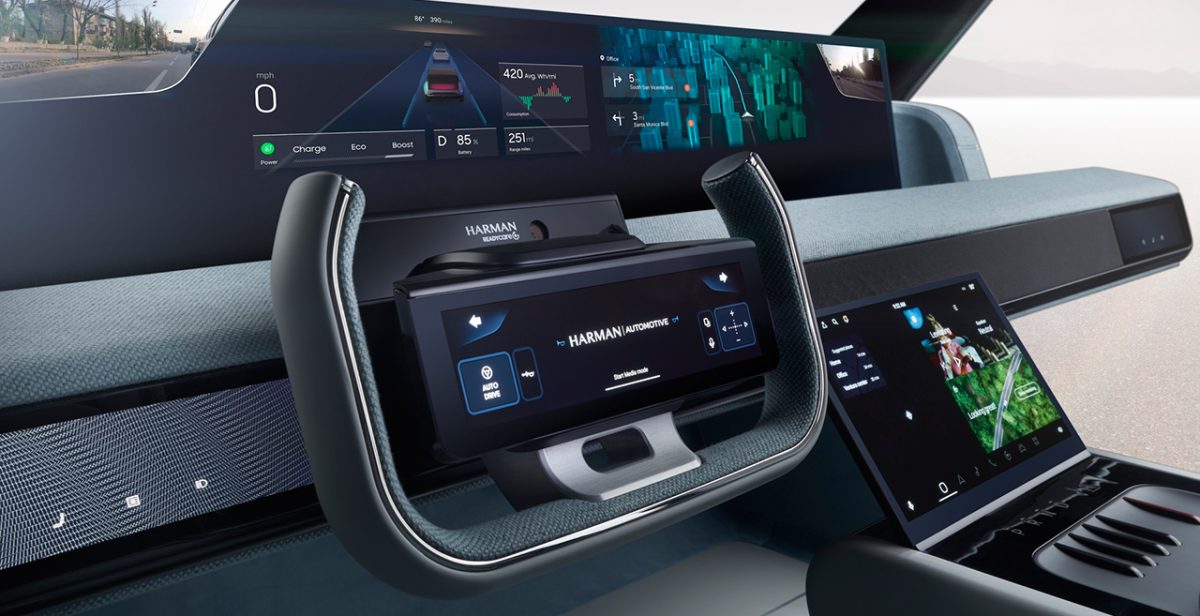
A. Reconfigurable Modular Interiors: As Level 4 and Level 5 autonomous systems become reality, traditional driver controls like steering wheels and pedals will retract into the dashboard. Cabin seats will rotate to face inward, turning the space into a mobile office, lounge, or meeting room.
-
B. Health and Wellness Intelligence: Future cockpits will integrate advanced health sensors into seat upholstery and steering wheels, continuously tracking occupant heart rates, stress levels, and blood pressure. The system can then automatically adjust ambient lighting, diffuse aromatherapy scents, or play calming sounds.
-
C. Holographic 3D Digital Avatars: Flat touchscreen interfaces will eventually yield to interactive 3D holographic digital assistants floating seamlessly above the center console, delivering a deeply natural human interface.
-
D. Zero-Glass Invisible Displays: Advanced smart materials will allow dashboard surfaces, door trims, and roof linings to act as high-definition display canvases when needed, completely blending into natural leather, wood, or fabric textures when turned off.
Summary Table: Comparing Traditional vs. Next-Gen Cockpits
| Feature Category | Legacy Vehicle Cockpit | Next-Gen Smart Connected Cockpit |
| System Architecture | Disconnected, Isolated ECUs | Unified Cockpit Domain Controller (CDC) |
| User Interface | Physical Buttons & Gauges | Curved OLED, Glass Panels, AR-HUD |
| Primary Interaction | Manual Touch & Basic Knobs | Natural AI Voice, Gesture, Biometrics |
| Connectivity | None or Basic Bluetooth | High-speed 5G, V2X, Cloud Telemetry |
| Update Capability | Stationary (Dealer Visits Only) | Continuous Over-The-Air (OTA) Updates |
| Interior Role | Basic Vehicle Control Center | Personalized Work, Rest, & Mobility Space |
Final Thoughts
The revolution of the Next-Gen Smart Connected Cockpit is fundamentally reshaping our relationship with personal transportation. The car is no longer merely an industrial tool that transports passengers from point A to point B; it has successfully evolved into an intelligent, highly personalized, and continuous companion.
Driven by breakthrough achievements in high-performance computing, advanced software hypervisors, intuitive artificial intelligence, and ultra-fast cellular connectivity, the modern vehicle interior offers unprecedented safety, convenience, productivity, and entertainment. As autonomous driving technology matures in the coming years, the cockpit will lock its position as the ultimate mobile living space redefining human mobility forever.