The automotive landscape has undergone a dramatic transformation over the past decade. Traditional vehicle collecting used to mean chasing factory-original specifications, matching numbers, and pristine factory paint jobs that stayed hidden inside climate-controlled garages. Today, a new philosophy dominates the high-end collector market: the restomod.
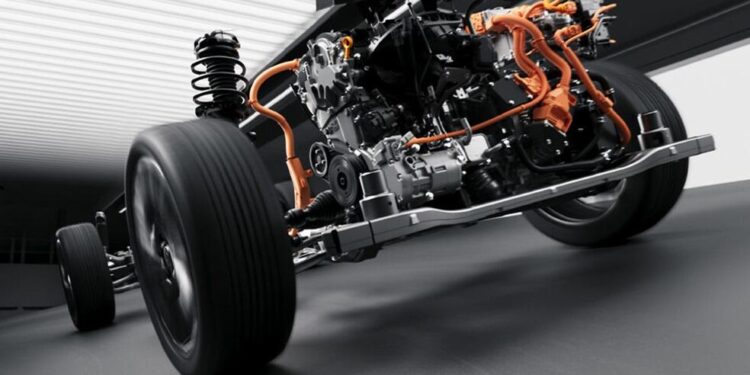
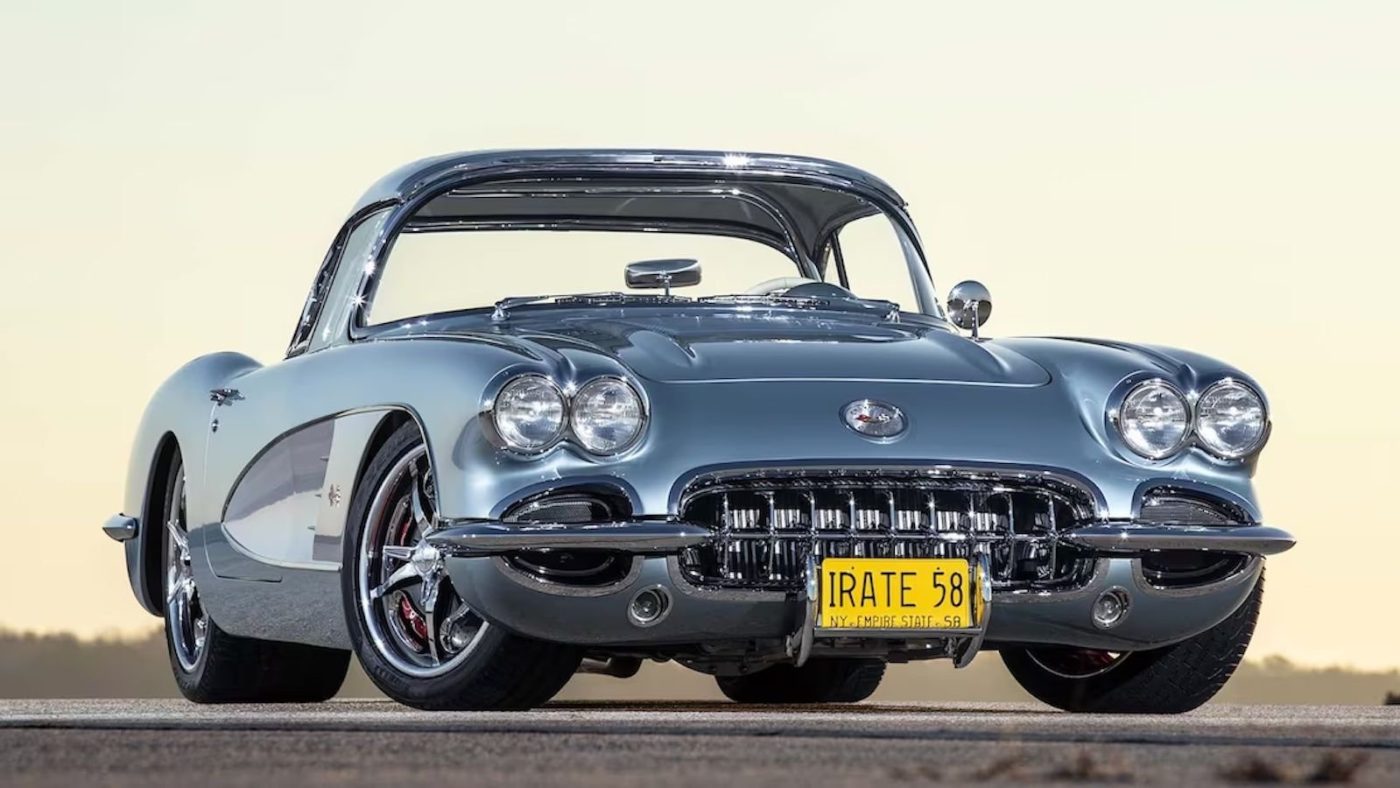
Combining the words “restoration” and “modification,” a restomod takes a vintage body and infuses it with modern engineering, high-performance powerplants, upgraded suspension systems, and contemporary creature comforts. Far from being dismissed by purists as altered anomalies, these customized vintage icons are commanding staggering market prices—frequently eclipsing the cost of brand-new exotic supercars.
Understanding why classic restomods have achieved such astronomical value requires exploring the intersection of modern engineering, shifting collector psychology, and the desire for unique automotive self-expression.
The Evolution of Vintage Automotive Desirability
To comprehend the financial explosion of restomods, one must look at how modern drivers interact with classic cars. Original vintage vehicles carry undeniable aesthetic charm, but they come with severe ownership compromises.
A. Mechanical Fragility: Carburetors fall out of tune, points-based ignition systems fail in damp weather, and cooling systems struggle in modern traffic gridlock.
B. Outdated Safety Standards: Vintage cars lack modern crumple zones, side-impact beams, anti-lock braking systems (ABS), and airbag protection.
C. Poor Ergonomics and Performance: Steering feels loose and heavy due to lack of power assistance, braking distances are alarmingly long by modern standards, and suspension setups cause excessive body roll on twisty roads.
D. The Usability Gap: Because original classics require constant maintenance and delicate handling, owners often hesitate to drive them regularly, reducing the automobile to a static museum piece.
Restomods solve these problems entirely. By retaining the mesmerizing, soul-stirring silhouette of a 1960s muscle car or a vintage European sports coupe while rebuilding the underneath layout with modern technology, builders create a vehicle that offers the best of both worlds. Drivers get the gorgeous aesthetic of automotive history paired with the turn-key reliability and terrifying acceleration of the twenty-first century.
Key Drivers Behind Skyrocketing Restomod Valuations
The massive financial appreciation of restomods is not an accident. It is driven by several powerful market forces that appeal to high-net-worth collectors and passionate enthusiasts alike.
A. Extreme Exclusivity and Personalization
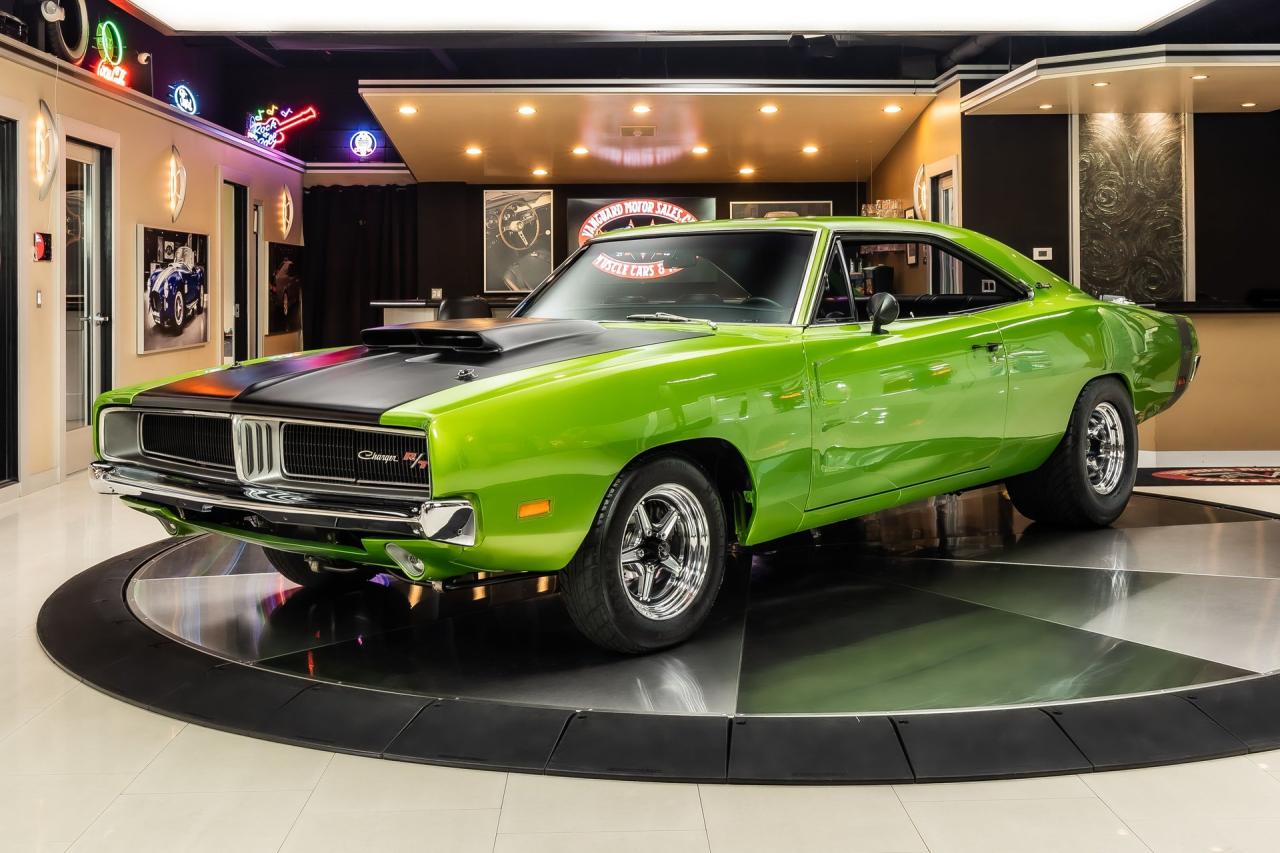
Unlike mass-produced modern supercars that roll off automated assembly lines by the thousands, high-end restomods are essentially bespoke automotive art pieces. Specialized builders spend thousands of meticulous man-hours crafting a single vehicle. Clients work directly with designers to choose custom leather hides, unique paint formulations, bespoke carbon-fiber body panels, and tailored interior layouts. This level of custom tailoring ensures that no two restomods are completely identical, giving owners a sense of true individuality that even ultra-rare factory hypercars cannot match.
B. The Superiority of Analog Driving Dynamics in an EV Era
As the global automotive market aggressively shifts toward electrification and autonomous driving, traditional mechanical connection is rapidly disappearing. Modern electric vehicles offer blistering straight-line speed, but they often feel sterile, heavy, and digitally filtered.
Restomods provide a raw, visceral analog experience. They combine the mechanical roar of a modern crate V8 engine or a high-revving naturally aspirated motor with a physical manual transmission. Enthusiasts are willing to pay millions of dollars because restomods preserve the intoxicating sights, smells, and sounds of internal combustion engineering while fixing every mechanical annoyance of the past.
C. Engineering Marvels Masquerading as Old Cars
A common misconception is that a restomod is merely an old car with an engine swap. In reality, elite restomod workshops—such as Singer Vehicle Design, Ringbrothers, and Revology Cars—completely re-engineer the vehicle from the ground up.
-
Advanced Chassis Stiffening: Modern computer-aided design (CAD) and laser-cut chassis reinforcements are welded in to handle modern horsepower without chassis flex.
-
State-of-the-Art Suspension: Outdated leaf springs and solid rear axles are routinely replaced with independent rear suspensions, modern coilover shocks, and adjustable damping systems.
-
Modern Stopping Power: Massive multi-piston disc brakes with modern hydraulic boosters replace spongy vintage drum brakes, drastically shortening stopping distances.
-
Refined Cabin Integration: Artisanal interior restorations hide modern amenities like climate control, seamless Bluetooth audio, custom digital-analog instrumentation, and power windows beneath vintage-correct switchgear.
Market Economics and Future Outlook
The financial scale of the restomod sector reflects its booming popularity. Industry valuations indicate that the global classic car restoration and restomod market continues on a steep upward trajectory, expanding from multi-billion-dollar foundations toward an estimated valuation exceeding fourteen billion dollars over the coming decade.
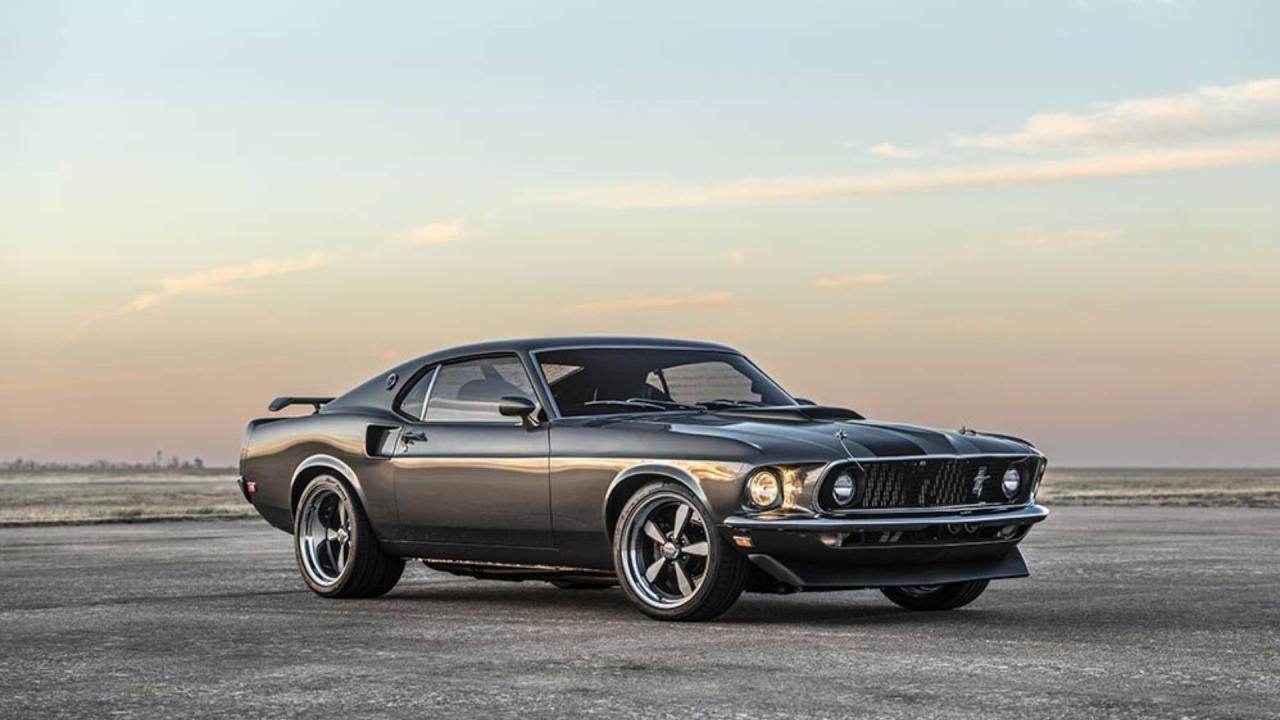
Wealthy collectors increasingly view top-tier restomods not just as toys, but as solid alternative asset classes. While a standard production car depreciates the moment it leaves the showroom floor, a meticulously built restomod from a legendary shop often appreciates significantly. This strong investment potential stems from the sheer scarcity of clean donor bodies and the finite capacity of elite custom car builders. Because master fabricators can only complete a handful of custom builds each year, waitlists often stretch for several years, artificially driving up secondary market values.
Conclusion
Classic restomods have redefined what it means to own a vintage vehicle. By fusing timeless exterior artistry with modern mechanical reliability, safety, and performance, these customized machines bridge the gap between past nostalgia and present capability. For collectors seeking exclusivity, emotional engagement, and everyday usability, restomods represent the absolute pinnacle of modern automotive culture—ensuring their high market value will continue to climb for decades to come.