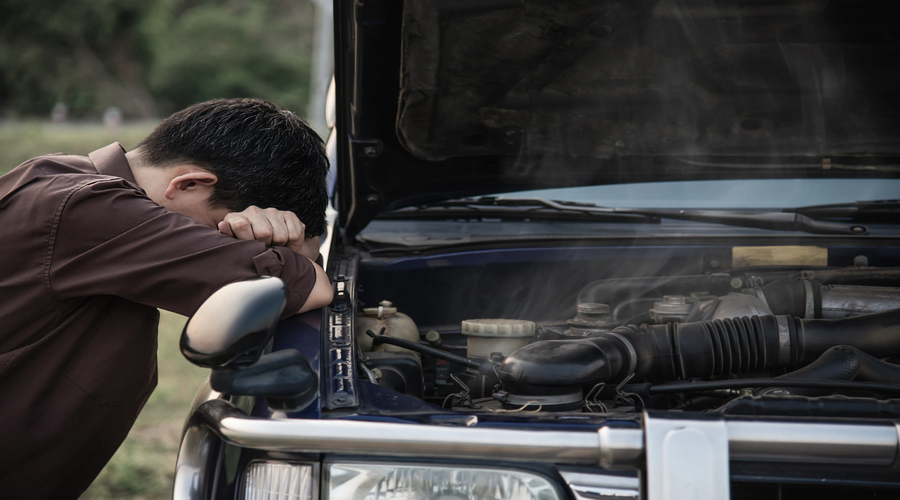
In an era where technology relentlessly advances, the notion of a car suddenly and silently failing on a desolate highway remains a persistent, modern-day anxiety. While our vehicles are more connected and computerized than ever, they are not yet sentient beings that can verbally declare an impending crisis. However, they are masterful communicators in their own right. Your automobile is constantly speaking to you through a sophisticated language of sounds, sensations, smells, and subtle performance shifts. Deciphering this language is not merely a skill for seasoned mechanics; it is an essential form of financial and safety intelligence for every driver. Ignoring these signals is akin to dismissing a persistent cough before a severe illness it inevitably leads to a far more painful and expensive outcome. This comprehensive guide delves deep into the seven critical warning signs that your car is predicting a major mechanical failure, empowering you to act proactively, safeguard your investment, and ensure your safety on every journey.
Understanding your car’s predictive language transcends basic maintenance; it is about adopting a paradigm of predictive preservation. Rather than reacting to a catastrophic failure, you learn to intercept the chain of events that leads to it. This approach saves thousands in repairs, prevents stressful roadside emergencies, and significantly extends your vehicle’s lifespan. We will explore each warning system in detail, explaining the underlying mechanics, the potential failures they forecast, and the precise actions you should take.
A. The Symphony of Strange Noises: Decoding Auditory Alerts
Your car’s auditory cues are its most direct line of communication. New or unusual noises are never “just something it does now”; they are specific distress calls.
A1. Grinding from the Brakes: This is arguably the most urgent sound. A high-pitched squeal during initial braking is often a wear indicator on brake pads, a mild warning. However, a deep, metallic grinding or growling is a severe alert. It means the brake pad material is entirely worn away, and the metal backing plate or caliper is now scraping directly against the brake rotor. This causes rapid, catastrophic damage to the expensive rotors and can lead to complete brake failure. Predicted Failure: Total brake system compromise, unsafe driving conditions, and need for rotor and caliper replacement.
A2. Knocking or Pinging from the Engine: A rapid knocking or pinging sound from the engine bay, especially during acceleration, is a serious plea for help. Often called “engine knock” or “detonation,” it can be caused by using fuel with too low an octane rating, carbon buildup, or most critically issues with the engine’s bearing clearance. A deep, rhythmic knock-knock-knock from the lower engine could indicate worn rod bearings, which can lead to a “thrown rod,” effectively destroying the engine. Predicted Failure: Catastrophic engine seizure requiring full rebuild or replacement.
A3. Whining from the Transmission: Automatic transmissions should operate relatively quietly. A persistent, high-pitched whine that changes pitch with gear shifts or a low growl in neutral could indicate low or degraded transmission fluid, worn bearings, or damaged planetary gears. A clunk or harsh shift accompanies this; the prognosis is severe. Predicted Failure: Complete transmission failure, leaving the car immobile and facing a repair rivaling the car’s value.
A4. Squealing Belts under the Hood: A loud, persistent squeal upon starting the car or during operation often points to the serpentine belt or accessory drive belts. These belts power the alternator, power steering pump, water pump, and air conditioning compressor. A worn, cracked, or loose belt can snap. If the serpentine belt snaps, the water pump stops, leading to immediate engine overheating and potential seizure within minutes. Predicted Failure: Sudden loss of power steering, battery charging, and engine cooling, causing rapid overheating.
B. The Language of Motion: Handling and Performance Shifts
How your car feels on the road is a direct report from its chassis, suspension, and drivetrain. Changes in its behavior are strong predictive indicators.
B1. Steering Wheel Vibration or Shimming: Vibrations felt through the steering wheel are rarely benign. If they occur during braking, it typically signals warped brake rotors. If present at highway speeds, it often points to unbalanced tires or a damaged tire belt. A more concerning shimmy or vibration during acceleration could indicate worn constant velocity (CV) joints, universal joints in a driveshaft, or even mounting issues with the engine or transmission. Predicted Failure: Tire blowout, CV joint failure (leaving you without power to the wheels), or accelerated wear on steering/suspension components.
B2. Poor Handling and Excessive Body Roll: If your car feels loose, floats, or leans excessively in corners, or if you notice one corner sitting lower, the suspension system is crying out. Worn shock absorbers, struts, control arm bushings, or sway bar links compromise stability and tire contact. This not only makes driving unsafe but also predicts the failure of other connected components. Predicted Failure: Loss of vehicle control, especially in emergency maneuvers, and cascading damage to tires and suspension linkages.
B3. Loss of Power and Sluggish Acceleration: A car that struggles to accelerate, feels bogged down, or has a noticeable lack of power is signaling a range of potential issues. This could be a clogged fuel filter or failing fuel pump, severely dirty air filter, malfunctioning mass airflow sensor, fouled spark plugs, or a failing turbocharger. In modern diesel engines, it could indicate a clogged Diesel Particulate Filter (DPF). Ignoring this leads to a car that may eventually not start or become undriveable. Predicted Failure: Complete fuel system failure, turbocharger replacement, or DPF replacement, often at great expense.
C. Olfactory and Visual Evidence: Smells and Leaks
Your senses of smell and sight provide undeniable evidence of problems in progress.
C1. The Smell of Burning: Distinct burning odors are critical warnings. Burning oil smells acrid and often means oil is leaking onto a hot engine component like the exhaust manifold; the source could be a valve cover gasket or rear main seal. Burning rubber points to a slipping drive belt or a hose resting on a hot part. Burning carpet or electrical insulation is the most dangerous, indicating an electrical short that can lead to a vehicle fire. Predicted Failure: Major oil leak leading to engine damage, belt failure, or an electrical fire.
C2. The Sweet Smell of Syrup: The unmistakable sweet scent of antifreeze (coolant) inside the cabin or around the car is a major red flag. It signals a coolant leak, potentially from a failing radiator, heater core, hose, or worse, a leaking head gasket. A leaking head gasket allows coolant to enter combustion chambers or oil passages, leading to white exhaust smoke and catastrophic engine damage from overheating and contamination. Predicted Failure: Engine overheating, warped cylinder heads, and a complete engine overhaul.
C3. Puddles and Stains Under the Car: Clear water (condensation from the A/C) is normal. Colored puddles are not. Green, Orange, Pink, or Yellow fluid is coolant. Dark Brown or Black slick fluid is engine oil. Reddish fluid is usually automatic transmission or power steering fluid. Clear or Amber slick fluid could be brake fluid. Any leak signifies a breach in a sealed system. A transmission or brake fluid leak, for instance, will lead directly to system failure. Predicted Failure: Depends on the fluid: engine seizure (oil), transmission failure (ATF), brake failure (brake fluid), or overheating (coolant).
D. Illuminated Dashboards: The Electronic Plea for Attention
Modern cars have sophisticated self-diagnostic systems. The dashboard warning lights are color-coded for urgency.
D1. Red Lights: Stop Immediately. These indicate a severe, immediate threat to the vehicle or safety. The Check Engine Light (if flashing), Temperature Warning, Oil Pressure Light, and Brake System Warning all command you to stop driving as soon as safely possible to prevent imminent, extensive damage. Predicted Failure: If ignored, a flashing check engine light (misfire) can destroy the catalytic converter. Low oil pressure can seize an engine in seconds. Overheating can warp an engine block.
D2. Yellow/Orange Lights: Investigate Soon. These are for malfunctions that need prompt service. A solid Check Engine Light could be for an oxygen sensor or evaporative emissions issue but can also hide more serious problems. The ABS or Traction Control Light indicates a fault in those safety systems, disabling them. The Electrical System/Battery Light often means the alternator is not charging the battery, predicting a dead battery and a stranded vehicle. Predicted Failure: Reduced fuel economy, disabled safety systems, or a sudden loss of electrical power.
E. The Silent Killer: Overheating Indications
Even without a warning light, monitoring your temperature gauge is vital. Consistent running on the high side of normal, needing frequent coolant top-ups, or seeing steam are late-stage symptoms. The causes failing thermostat, water pump, clogged radiator, or leaking head gasket all predict a terminal event: engine overheating. This can warp aluminum cylinder heads, crack engine blocks, and fuse piston rings to cylinder walls in a matter of minutes. The repair cost often exceeds the vehicle’s value.
F. Transmission Tribulations: More Than Just Whining
For automatic transmissions, watch for delayed engagement (a pause before the car moves when shifted into Drive or Reverse), slipping (a rise in RPM without proportional acceleration), or harsh, jarring shifts. These symptoms indicate internal wear, clutch pack failure, or solenoid problems. Manual transmissions may become difficult to shift or grind during gear changes, indicating synchronizer or clutch failure. Predicted Failure: Total transmission lock-up or inability to transfer power to the wheels.
G. Electrical Gremlins: Flickers and Failures
Intermittent electrical issues are predictive of larger failures. Flickering headlights or dashboard lights, especially when idling, strongly suggest a failing alternator. Windows or accessories that work slowly indicate low system voltage. A single electrical component failing could be a fuse, but multiple unrelated failures point to a failing body control module, bad ground connections, or the main wiring harness. Predicted Failure: Complete electrical system shutdown, leaving the car dead and potentially needing complex diagnostics and module replacements.
Proactive Protocol: Your Action Plan Upon Detection
Hearing or feeling a warning sign is only step one. The correct response dictates the outcome.
A. Do Not Ignore It. The “it will go away” philosophy is the most expensive car maintenance strategy imaginable.
B. Assess Safety Immediately. If the symptom is severe (e.g., grinding brakes, knocking engine, red warning lights), safely cease driving and call for a tow. The cost of a tow is minuscule compared to a new engine.
C. Perform Basic Diagnostics. For less urgent warnings, check fluid levels (oil, coolant, brake fluid), inspect for visible leaks, and look for obvious damage like a cracked belt.
D. Invest in a Code Reader. For check engine lights, a basic OBD-II scanner can provide initial fault codes, offering valuable clues before you visit a mechanic.
E. Consult a Professional Promptly. Describe the symptom precisely: when it occurs, the sound/feel, and any related changes. A skilled technician can use your observations to target diagnostics, saving time and money.
Conclusion: Your Car is Your Partner, Listen to Its Forecasts

Your vehicle is a complex machine designed to provide reliable service, but it is not indestructible. It offers a continuous stream of predictive data about its health. By becoming fluent in the language of warning signs the strange noises, the performance shifts, the ominous smells, and the illuminated symbols you transition from a passive driver to an informed owner. This knowledge is your primary defense against catastrophic mechanical failures, exorbitant repair bills, and dangerous roadside breakdowns. Treat every warning not as an annoyance, but as a forecast. By acting on that forecast with urgency and precision, you ensure that your car remains a safe, dependable partner for thousands of miles to come. Remember, the most economical repair is the one you prevent.