The transportation sector stands on the brink of a profound metamorphosis, driven by the urgent global imperative to decarbonize and the relentless march of technological progress. While electric passenger vehicles have captured the public’s imagination, the electrification of commercial transport particularly medium- and heavy-duty trucks presents a far more complex and critical challenge. These workhorses of global commerce demand not just zero emissions, but also uncompromising range, rapid refueling, durability, and economic viability. Enter solid-state battery (SSB) technology, a revolutionary leap forward that promises not merely to incrementally improve electric trucks, but to fundamentally redefine their capabilities and catalyze their widespread adoption. This deep dive explores how solid-state batteries are poised to revolutionize the electric truck industry, examining their core advantages, the intricate technological hurdles, and the profound implications for logistics and our environmental future.
A. The Fundamental Limitations of Current Electric Truck Technology
To fully appreciate the disruptive potential of solid-state batteries, one must first understand the limitations inherent in today’s dominant lithium-ion (Li-ion) battery architecture, especially when scaled for commercial vehicles.
A. Energy Density and Range Anxiety: Contemporary Li-ion batteries, which use liquid or gel polymer electrolytes, have approached practical limits for gravimetric and volumetric energy density. For long-haul trucks, which can require 600-1000 kWh of energy storage or more, this translates into prohibitively large, heavy battery packs. This “mass penalty” directly reduces payload capacity a critical metric for profitability and often fails to achieve the 500+ mile ranges needed for efficient logistics without lengthy, mid-route charging stops.
B. Charging Speed and Downtime: Fast-charging current Li-ion packs generates significant heat and can accelerate battery degradation through lithium plating and electrolyte decomposition. Charging a massive truck battery to 80% can still take well over an hour, representing costly downtime for fleet operators where “time is money.” The peak charging power required (often exceeding 1 MW) also strains grid infrastructure.
C. Safety Concerns: The flammable liquid electrolyte in Li-ion cells is a notorious safety vulnerability. In the event of internal short circuits from damage or manufacturing defects, thermal runaway can occur, leading to intense, difficult-to-extinguish fires. For trucks carrying valuable or hazardous cargo, this risk is a significant concern.
D. Lifespan and Total Cost of Ownership (TCO): The degradation mechanisms in liquid electrolyte batteries, compounded by fast-charging cycles, limit their operational life. For a fleet vehicle that may cover hundreds of thousands of miles, the potential need for a costly battery replacement undermines the TCO equation, even with lower “fuel” and maintenance costs.
B. The Solid-State Breakthrough: A Core Architectural Shift
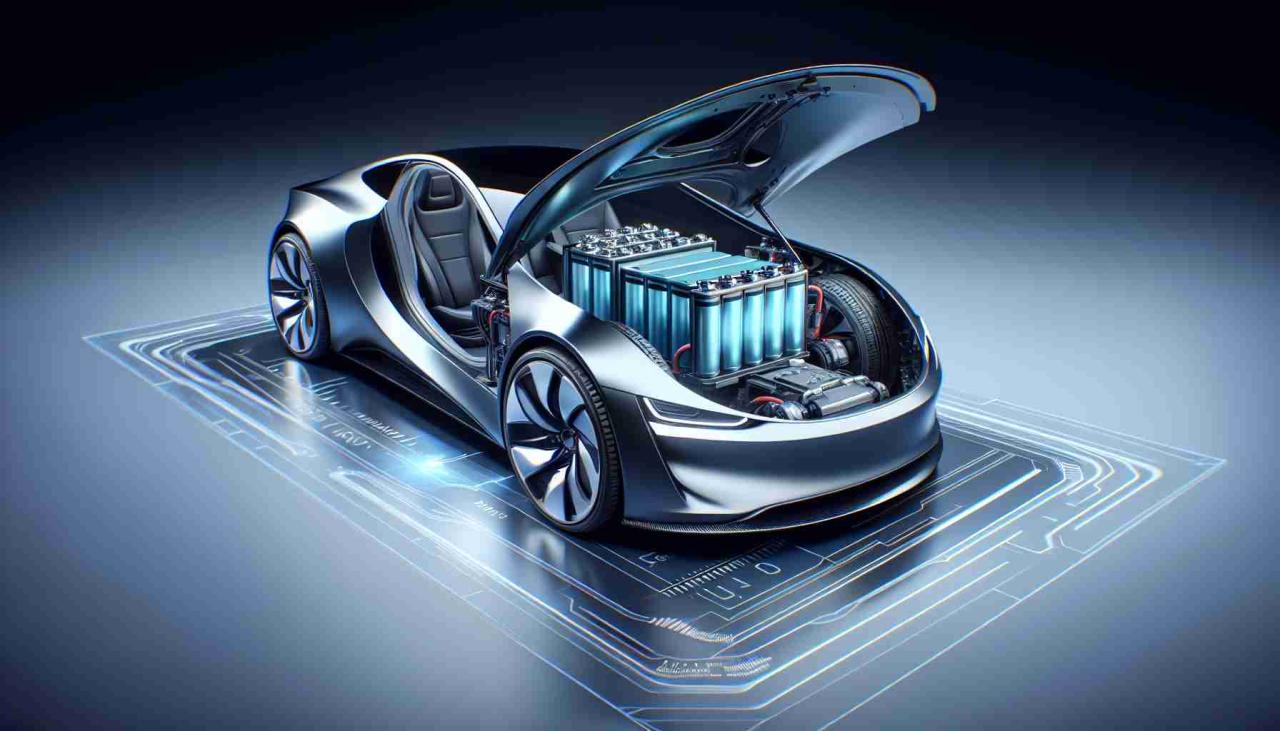
Solid-state batteries address these limitations at their foundation by replacing the volatile liquid electrolyte with a solid material. This single change cascades into a multitude of performance benefits.
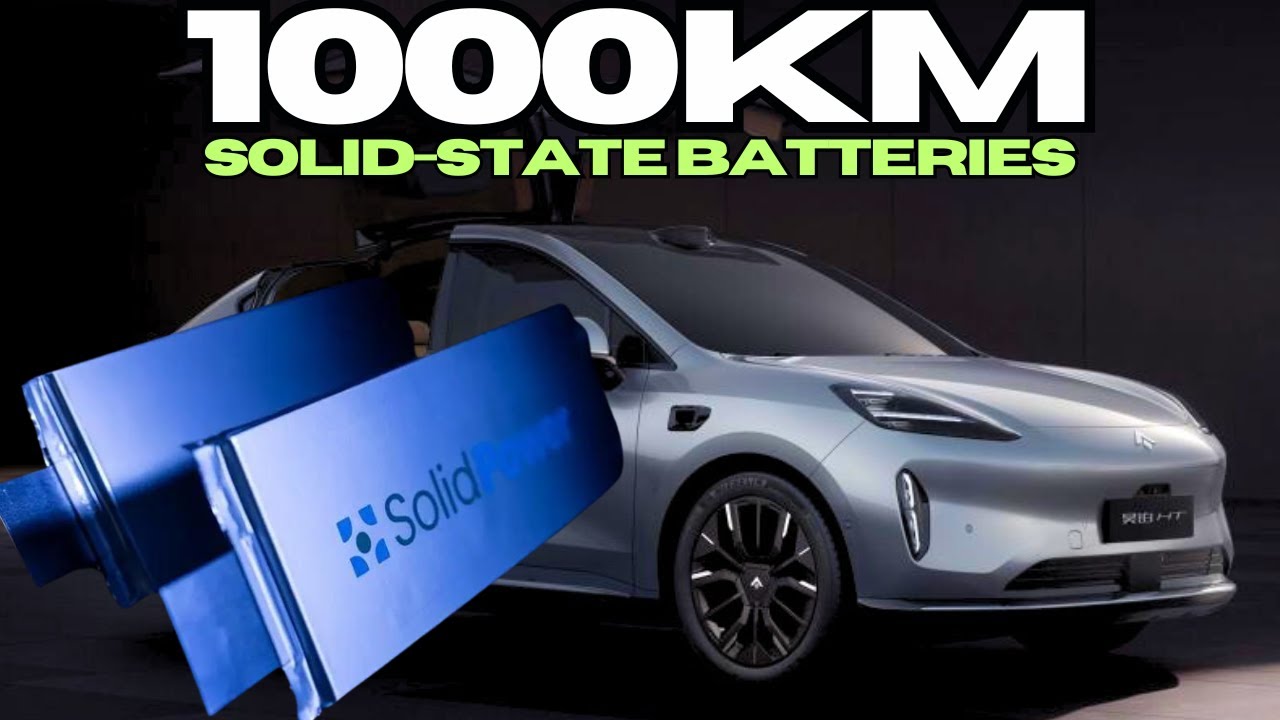
A. Superior Energy Density: The solid electrolyte enables the use of a lithium metal anode, which has a far higher theoretical capacity than the graphite anodes used today. This, combined with the potential for denser cell packing, could increase energy density by 50% to 100% or more. For an electric truck, this means either a significantly smaller, lighter battery for the same range, or a dramatically extended range potentially surpassing 1,000 miles without increasing pack size or sacrificing payload.
B. Radically Faster Charging: Solid electrolytes are less prone to lithium dendrite formation the spiky metallic growths that cause short circuits allowing for much higher charge current without safety compromises. Coupled with better thermal management, this could reduce charging times for large truck batteries to well under 20-30 minutes, approaching the refueling speed of diesel pumps and making electric trucks viable for tightly scheduled operations.
C. Enhanced Safety Profile: The removal of flammable liquid electrolytes drastically reduces fire risk. Solid electrolytes are thermally stable and can act as a physical barrier, suppressing dendrite propagation and making cells inherently safer. This robustness is paramount for commercial applications where operational safety is non-negotiable.
D. Extended Cycle Life and Durability: The solid-state architecture minimizes parasitic side reactions between the electrolyte and electrodes that cause capacity fade. These batteries are projected to withstand many more charge-discharge cycles while maintaining a higher percentage of original capacity, directly extending the vehicle’s useful life and improving residual value.
E. Operational Efficiency in Extreme Conditions: Solid-state batteries typically exhibit stable performance across a wider temperature range. This reduces the need for complex and energy-intensive thermal management systems in very hot or cold climates, a crucial factor for trucks operating in diverse geographies.
C. Overcoming the Formidable Challenges to Commercialization
Despite its promise, the path to mass-producing affordable, reliable solid-state batteries for the demanding trucking sector is fraught with scientific and engineering challenges that industry and academia are racing to solve.
A. Electrolyte Material Science: The heart of the challenge lies in finding the ideal solid electrolyte material. Key contenders include sulfides, oxides, and polymers, each with trade-offs. Sulfides offer high ionic conductivity but can be sensitive to moisture and release toxic gases. Oxides are stable but can have interfacial resistance issues. The quest is for a material that combines high ion conductivity, electrochemical stability, mechanical strength, and cost-effective processability.
B. Interface Engineering: The solid-solid contact between the electrolyte and electrodes creates high interfacial resistance. This impedes ion flow and can lead to performance degradation over time. Meticulous engineering of these interfaces through coatings, nanostructuring, and applying pressure is essential to ensure longevity and efficiency.
C. Manufacturing and Scalability: Current manufacturing processes for high-quality solid-state cells are complex, often requiring vacuum deposition, precise atmospheric control, and other expensive techniques. Adapting the massive, gigafactory-scale roll-to-roll manufacturing processes used for Li-ion batteries to solid-state technology is a monumental hurdle. Yield rates and production speed must improve dramatically to meet automotive-scale demand.
D. The Critical Cost Equation: Currently, prototype solid-state cells are extraordinarily expensive. The cost of raw materials (e.g., lithium metal, specialized compounds) and the energy-intensive production processes must be driven down through innovation, scaling, and supply chain development. The target is to reach a cost point competitive with advanced liquid Li-ion batteries, with the superior TCO justifying any initial premium.
E. Supply Chain Reformation: A successful transition to solid-state technology will necessitate a complete restructuring of the battery supply chain. This includes securing raw materials for new chemistries, developing new component suppliers (e.g., for ceramic separators), and creating new recycling streams tailored to solid-state battery components.
D. Strategic Implications for the Electric Trucking Ecosystem
The successful integration of solid-state batteries will trigger a paradigm shift across the entire commercial transportation landscape.
A. Redefining Vehicle Design and Logistics: The high energy density and safety of SSBs will allow for more flexible battery placement within truck chassis, potentially freeing up space for cargo or alternative cab designs. Ultra-long range will enable new, more direct routing models, potentially reducing reliance on hub-and-spoke networks. The concept of a single electric truck handling a coast-to-coast run without multi-hour charging stops becomes plausible.
B. Transforming Charging Infrastructure: While faster charging reduces the required dwell time, it increases the peak power demand per charger. Megawatt-scale charging (MCS) stations will become the norm, requiring unprecedented grid connections, on-site energy storage buffers, and sophisticated power management software. The business model for truck stops will evolve from fuel retail to high-throughput energy service hubs.
C. Economic Viability and Total Cost of Ownership: The long-term economic argument becomes compelling. With double the lifespan, minimal degradation, ultra-fast charging reducing asset idle time, and lower maintenance costs, the TCO for an electric truck with an SSB could decisively undercut diesel counterparts, even with a higher upfront purchase price. This is the ultimate catalyst for fleet-wide electrification.
D. Environmental and Regulatory Impact: The decarbonization potential is immense. Trucks are disproportionate contributors to road transport emissions. Enabling their full electrification with a superior battery technology accelerates progress toward net-zero goals. Furthermore, the longer lifespan and potential for simpler recycling (due to fewer liquid components) contribute to a more circular battery economy. Governments will likely implement stricter regulations and offer incentives aligned with this advanced technology.
E. New Competitive Dynamics and Alliances: The race for solid-state supremacy is fostering unprecedented alliances. Traditional truck OEMs are forming deep partnerships with battery startups, chemical companies, and even competitors to share the immense R&D burden and risk. The companies that control the IP and manufacturing scale for SSBs may gain significant leverage in the automotive value chain.
E. The Road Ahead: A Phased Transition and Future Outlook

The revolution will not happen overnight. The transition will likely be phased, with intermediate technologies like semi-solid or silicon-anode batteries serving as stepping stones. Initial deployments are expected in niche, high-value segments where the benefits justify the cost perhaps in premium logistics fleets or specialized vocational trucks before trickling down to the mass market.
Continuous research is already looking beyond today’s SSB concepts, exploring areas like lithium-air or lithium-sulfur chemistries that could offer even greater leaps. Furthermore, the integration of solid-state batteries with vehicle-to-grid (V2G) technology could see electric truck fleets acting as massive grid-stabilizing assets during depot downtime.
In conclusion, solid-state battery technology represents far more than a simple battery upgrade. It is the key that unlocks the true potential of electric trucks, transforming them from a compromised alternative into the superior, dominant choice for freight movement. By conquering the twin demons of range anxiety and charging downtime while delivering unmatched safety and longevity, SSBs will not only revolutionize the trucking industry but will also serve as a powerful engine for a cleaner, more efficient, and sustainable global economy. The companies, policymakers, and innovators who navigate this technological shift wisely will be the architects of the next era of transportation.