The dream of a car that never needs to plug in, fueled endlessly by the sun, has long captivated innovators and drivers alike. With the dramatic rise of electric vehicles (EVs), a compelling question emerges: can we integrate solar technology directly into our cars to create a truly self-sufficient driving experience? The concept of solar-powered EVs that “need no charging” is often presented as the ultimate green mobility solution. This article delves deep into the science, current technology, economic realities, and future potential of solar-electric vehicles. We will move beyond the hype to provide a comprehensive analysis of whether solar cars can genuinely eliminate charging stops or if they represent a complementary revolution in automotive efficiency and sustainability. From rooftop panels to vehicle-integrated photovoltaics, we explore the intricate balance between energy capture, consumption, and the practicalities of daily travel.
The Core Principle: Photovoltaics Meet Electric Propulsion
At its heart, a solar-powered EV combines two key technologies: photovoltaic (PV) cells and an electric drivetrain. Photovoltaic cells convert sunlight directly into electricity through the photovoltaic effect. This generated DC (direct current) electricity is then managed by a charge controller, stored in the vehicle’s battery (typically lithium-ion), and finally used to power the electric motor that turns the wheels.
The central challenge is one of scale and energy density. A car has a limited surface area roof, hood, and sometimes doors available for solar panels. On a bright, sunny day, the best commercially available automotive-grade solar cells can generate around 200 to 300 watts per square meter. Given the approximately 1.5 to 3 square meters of usable space on a standard car, this translates to a peak generation of roughly 0.5 to 1 kWh per day under ideal conditions. Contrast this with the energy consumption of a modern EV, which uses about 0.15 to 0.25 kWh per kilometer. The math reveals the primary hurdle: solar generation alone is insufficient to fully recharge a depleted battery for daily long-distance travel. However, its role as a range-extender and power source for ancillary systems is profoundly significant and often underestimated.
A. Current State of Solar-EV Technology: Beyond the Prototype
While the vision of a 100% solar-dependent car for mass consumption remains on the horizon, several automotive manufacturers and startups have made remarkable strides in integrating solar as a vital auxiliary system.
A. Hyundai Sonata Hybrid: This sedan offered a panoramic solar roof that could help charge its hybrid battery. Hyundai claimed it could add about 2 miles of electric range per day from solar charging, or up to 700 miles annually, showcasing its role as a valuable efficiency booster.
B. Toyota Prius Prime (Japanese Version): Offered an optional solar roof that could not only contribute to driving range but also power the ventilation system while parked, cooling the cabin without draining the main battery.
C. Lightyear 0 (and its successor, Lightyear 2): Perhaps the most famous dedicated solar EV, the now-defunct Lightyear 0 was a benchmark. Its ultra-aerodynamic design was covered in 5 square meters of double-curved solar panels. Under optimal sun, it could yield up to 44 miles (70 km) of range per day from the sun alone, targeting a specific niche of commuters who could theoretically go months without plugging in.
D. Aptera Motors: This ultra-efficient, three-wheeled “never charge” vehicle is designed from the ground up for solar integration. With up to 700 watts of solar cells covering its body, Aptera claims its most efficient model can gain up to 40 miles of range per day purely from sunlight, making it the closest current prospect to a “no charging” vehicle for many users.
E. Sono Motors Sion: Designed as a solar-integrated city car, the Sion proposed 456 integrated solar half-cells on its roof, hood, and sides, aiming to add an average of 70 miles per week in Central European climates.
These examples illustrate a spectrum of approaches, from supplemental add-ons to core design philosophies centered on solar harvesting.
B. The Mathematical Reality: Why “No Charging” is a Conditional Claim
To objectively assess the “no charging” claim, we must examine the critical variables in the energy equation. The promise is highly dependent on specific user profiles and environmental factors.
A. Daily Driving Distance: The average daily commute in many countries is under 30 miles (50 km). A highly efficient solar EV like an Aptera or Lightyear, gaining 20-40 solar miles per day, could indeed cover this distance without ever plugging in for a significant portion of the year, especially in sunny regions.
B. Vehicle Efficiency: This is the most critical multiplier. A conventional EV SUV may consume 0.30 kWh/km, making solar input a drop in the bucket. In contrast, an ultra-efficient vehicle like the Aptera (targeting ~0.10 kWh/km) maximizes the impact of every watt generated by the sun.
C. Geographic Location and Season: Solar insolation varies dramatically. A car in Arizona will generate 3-4 times more solar energy in a day than one in Sweden during winter. Cloud cover, daylight hours, and sun angle are decisive factors.
D. Parking Conditions: A car parked in a shaded garage gains nothing. True solar optimization requires parking in direct, unobstructed sunlight for many hours.
E. Battery Buffer and Ancillary Loads: Solar energy often first powers the car’s auxiliary systems (climate control, infotainment, computers), which reduces drain on the battery. This “vampire drain” mitigation is a silent but major benefit, preserving driving range.
Therefore, the statement “needs no charging” is not universally absolute but is a conditional reality for drivers with short, consistent commutes, who use an ultra-efficient solar-optimized vehicle, and who live in a sunny climate with reliable access to unshaded parking.
C. Tangible Benefits: What Solar Integration Actually Delivers Today
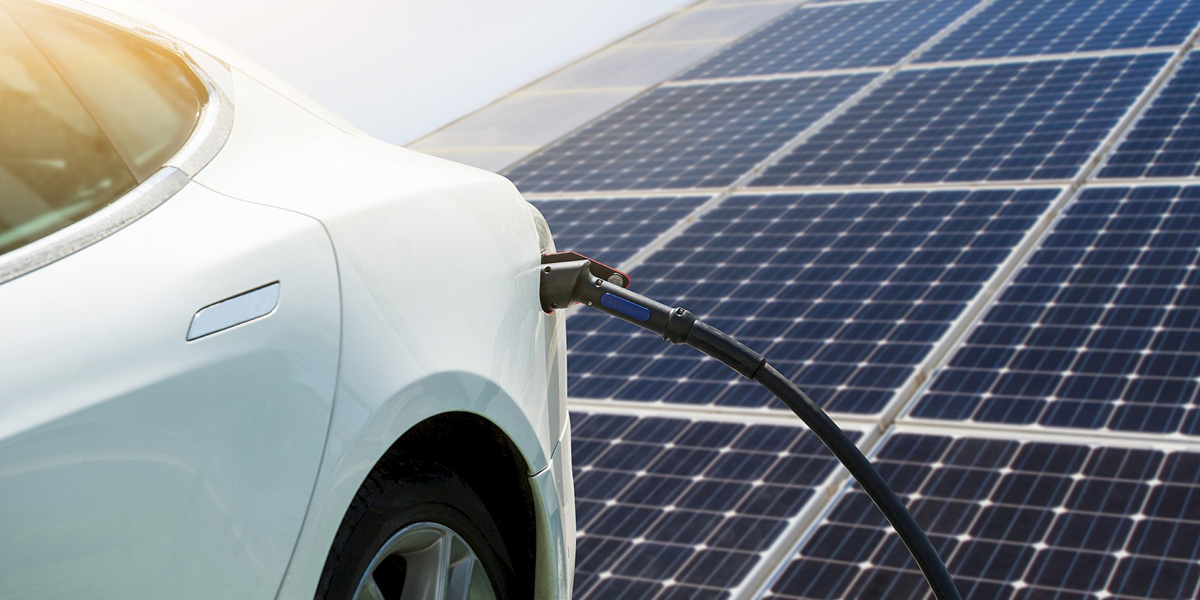
Even without achieving full energy independence, integrating solar panels into an EV offers a suite of powerful advantages that enhance ownership.
A. Significant Range Extension: Adding 5-15 miles of free, clean range daily compounds over time. Annually, this can amount to hundreds or even thousands of miles of driving powered directly by the sun, drastically reducing grid electricity costs and carbon footprint.
B. Battery Longevity and Health: Solar trickle charging helps keep the battery within an optimal state-of-charge (SOC) window, reducing deep discharge cycles. It also mitigates calendar aging by maintaining a moderate SOC during long parking periods, potentially extending the battery’s overall lifespan.
C. Climate Comfort Without Range Anxiety: Pre-conditioning the cabin (heating or cooling) using only solar power while parked is a game-changer for comfort and efficiency. It means using little to no battery power to bring the cabin to a comfortable temperature before driving.
D. Emergency Buffer and Peace of Mind: In a scenario where the battery is low and a charger is unavailable, a solar car can slowly accumulate enough charge to drive to safety or a charging point, providing a unique safety net.
E. Grid Independence and Decentralization: For users with off-grid lifestyles or in areas with unstable electrical infrastructure, a solar car incrementally moves towards personal energy resilience. When combined with a home solar system, it deepens energy autonomy.
F. Reduced Operational Costs and Carbon Footprint: Every mile driven on solar power is a mile not paid for with grid electricity or gasoline. This translates to direct financial savings and a further reduction in the vehicle’s well-to-wheel emissions.
D. Overcoming the Challenges: Technological Frontiers
For solar EVs to become more mainstream and effective, ongoing innovation is tackling several key frontiers:
A. Solar Cell Efficiency: Current automotive solar cells have efficiencies around 20-25%. Emerging technologies like perovskite solar cells promise efficiencies potentially above 30% at a lower cost and with flexible, lightweight properties ideal for car body integration.
B. Vehicle Integration and Design: Future vehicles will be designed with solar harvest as a core parameter. This means larger, curvable, and more seamlessly integrated panels, along with designs that prioritize aerodynamic efficiency to reduce energy consumption.
C. Energy Storage and Management: Advanced power electronics and more sophisticated battery management systems (BMS) are needed to optimally route the variable solar input to either the battery, cabin systems, or drivetrain in real-time for maximum efficiency.
D. Multi-Purpose Surfaces: Research into “solar paint” or photovoltaic coatings could eventually turn every exterior surface into an energy generator, dramatically increasing collection area.
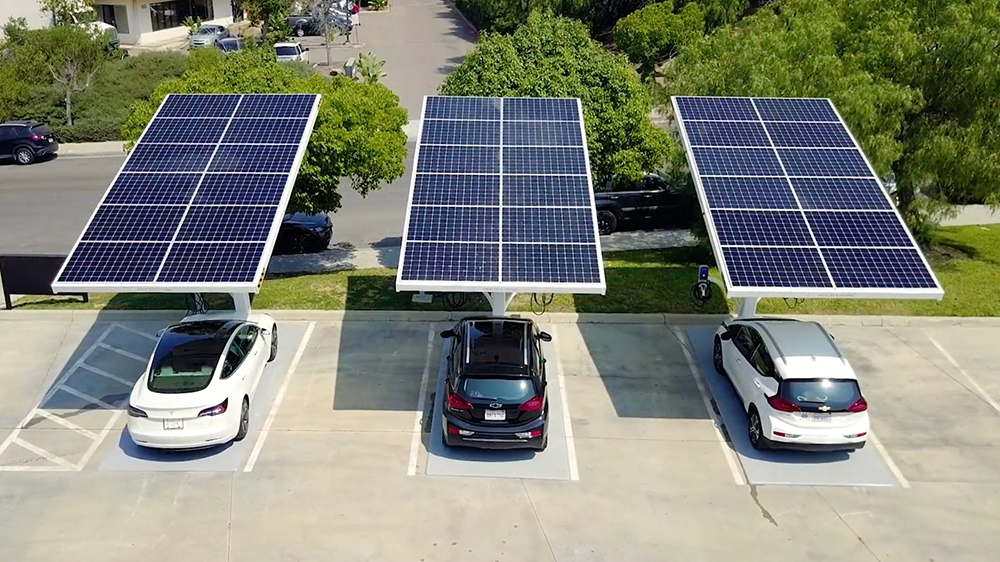
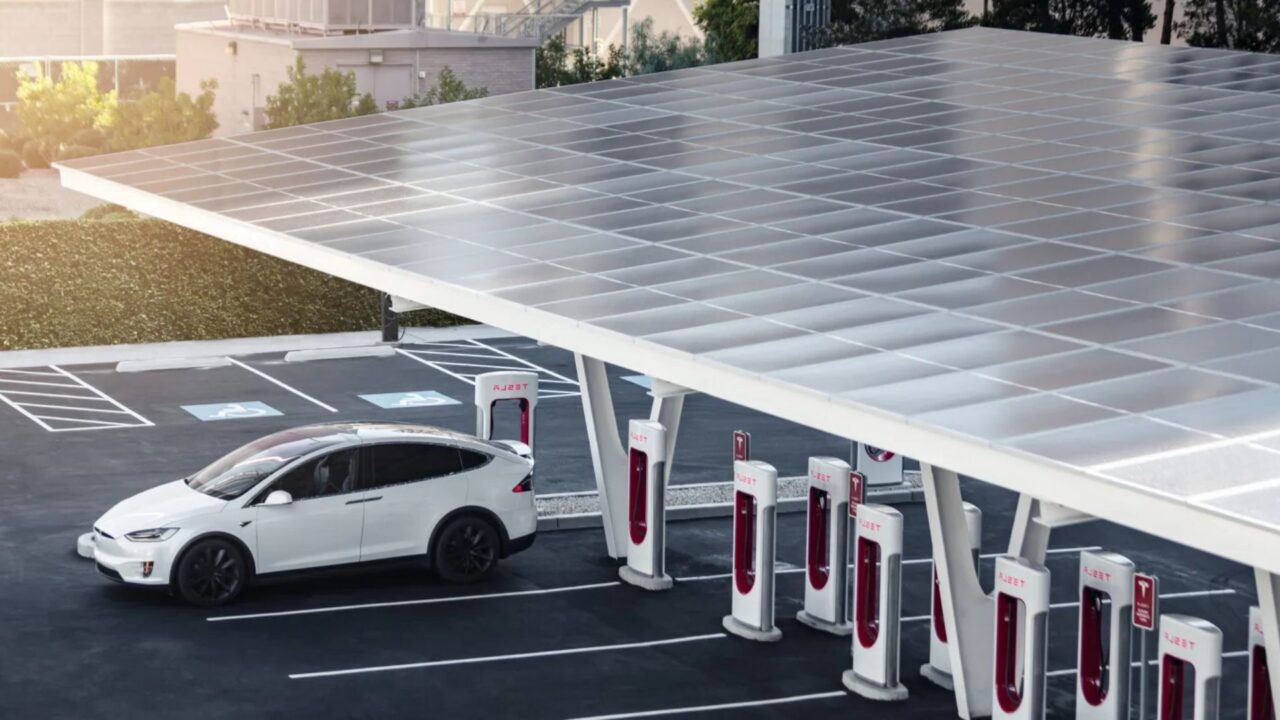
E. Dynamic Charging and Infrastructure Synergy: Future smart infrastructure could include solar canopies over parking lots, enabling “solar charging” even for cars without integrated panels, while solar cars contribute to vehicle-to-grid (V2G) systems.
E. The SEO and Economic Perspective: Solar EVs as a Niche Growth Market
From a market and digital visibility standpoint, solar EVs represent a high-interest, low-competition niche with growing search volume. Keywords like “self-charging EV,” “solar car range,” and “best solar electric car” attract environmentally conscious, tech-savvy consumers. For content creators and businesses, this topic offers rich opportunities for affiliate marketing (linking to emerging brands), advertising renewable energy products, and establishing authority in the sustainable tech space. AdSense revenue potential is bolstered by the high engagement levels readers have with cutting-edge, solution-oriented green technology content. The economic model for these vehicles appeals to a consumer who values long-term savings and independence, making them a compelling subject for detailed, buyer-intent content.
Conclusion: A Complementary Revolution, Not a Complete Replacement
The narrative that solar-powered EVs “need no charging” requires careful qualification. For the vast majority of drivers and use cases, solar power is not yet a complete replacement for plug-in charging. It is, however, a profoundly impactful complementary technology that pushes the boundaries of efficiency and sustainability. It transforms the EV from a mere consumer of grid energy however green into an active, daily producer of its own power. The true promise of the solar EV is not necessarily absolute freedom from the plug, but rather a dramatic minimization of dependency. It offers a tangible step towards a transportation paradigm where our vehicles cleanly harness ambient energy, reducing costs, enhancing resilience, and bringing us closer to a circular energy model. As solar cell technology advances and vehicle efficiency reaches new peaks, the dream of a car that powers itself for most daily needs is steadily transitioning from science fiction to a practical reality for a growing segment of the global population. The future of mobility is not just electric; it is increasingly photovoltaic-assisted, steering us toward a world where every hour of sunshine is a drop of fuel for our journeys.