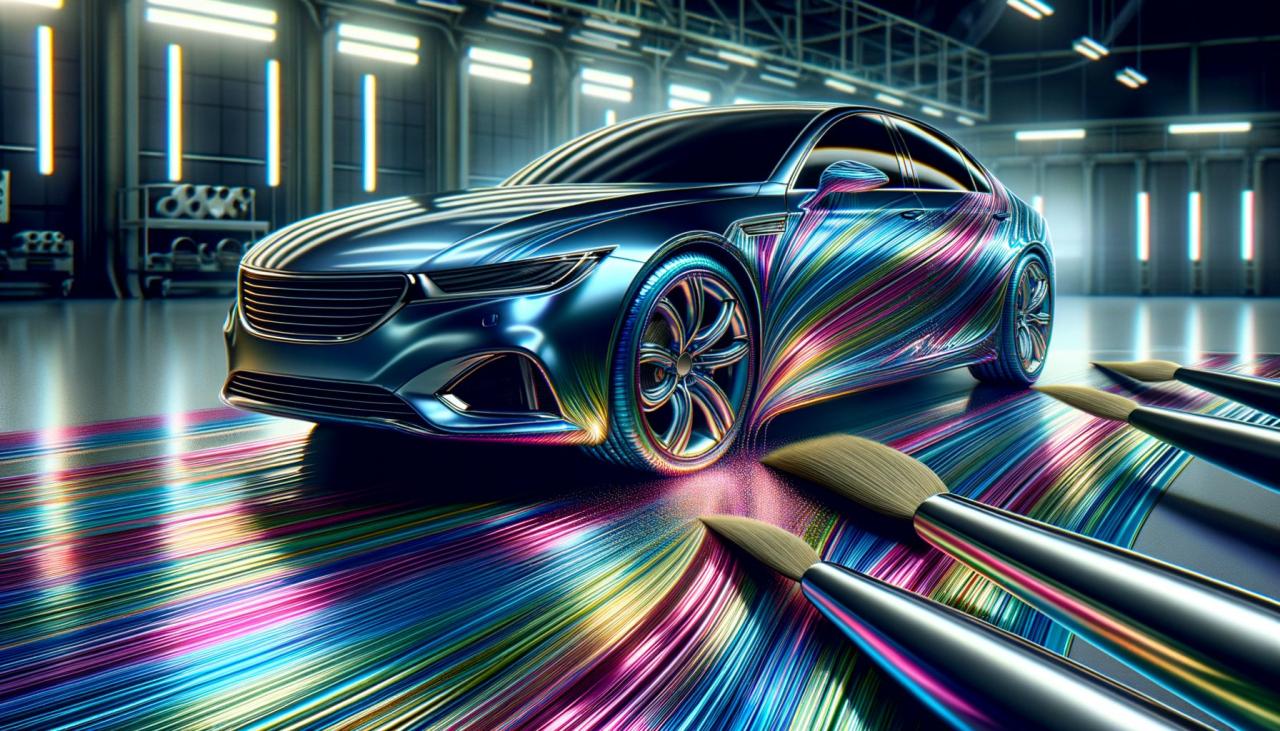
In an unprecedented leap forward for automotive aesthetics and longevity, a revolutionary self-repairing paint technology has now launched on a global scale. This innovation promises to fundamentally alter how vehicle owners and manufacturers approach paint protection, maintenance, and long-term value preservation. Moving far beyond the capabilities of traditional ceramic coatings or paint protection films, this advanced material leverages cutting-edge chemical engineering to autonomously address minor damage. For car enthusiasts, daily commuters, and fleet managers alike, the worldwide availability of this technology marks the dawn of a new era where swirl marks, light scratches, and minor scuffs may become mere temporary inconveniences of the past, rather than permanent blemishes requiring costly professional intervention.
The core principle behind this autonomous repair process is a meticulously engineered chemical reaction activated by external stimuli. Unlike conventional paint, which is a static, inert layer, this smart coating is a dynamic, responsive material. At its heart are long, chain-like polymer molecules, often polyurethane-based, that are cross-linked with special chemical bonds. These are not the rigid bonds found in standard paints; they are reversible. When the paint surface suffers a scratch or abrasion, the mechanical force and the introduction of heat (typically from ambient sunlight, warm water, or even a hairdryer) provide the necessary energy. This energy causes the chemical bonds to temporarily realign, flow into the microscopic grooves of the scratch, and then re-form, effectively “healing” the wound seamlessly. The process is often compared to the behavior of a dense, non-sticky gel or even the skin of certain reptiles, which can recover from superficial cuts. This capability is engineered to work repeatedly on the same area, offering sustained protection throughout the lifecycle of the coating.
To fully appreciate the magnitude of this advancement, it is crucial to understand the evolution of automotive paint protection. The journey has been a long one, moving from basic lacquers to today’s sophisticated multi-layer systems.
A. The Early Era: Simple Lacquers and Enamels. For decades, automotive finishes were relatively soft and offered minimal protection against UV radiation, oxidation, and physical abrasion. Scratches were permanent, and maintaining a showroom shine required constant waxing and polishing, which gradually thinned the paint layer.
B. The Clear Coat Revolution. The introduction of basecoat/clearcoat systems in the 1980s was a major milestone. A colored base layer was topped with a transparent, harder clear coat designed to shield the pigment from the elements. While this added significant gloss and durability, the clear coat itself remained vulnerable to scratches, swirls from improper washing, and chemical etching from bird droppings or acid rain.
C. The Aftermarket Protection Boom. This vulnerability gave rise to a massive aftermarket industry focused on paint preservation. This included:
* Paint Protection Films (PPF): Clear, physical urethane films applied to high-impact areas. They offer excellent sacrificial protection against rock chips but can yellow over time, show edges, and require professional installation.
* Ceramic Coatings: Silicon dioxide (SiO2) or titanium dioxide (TiO2) liquid polymers that chemically bond with the factory clear coat. They create an extremely hard, hydrophobic, and chemically resistant layer. However, they are sacrificial once a scratch penetrates the coating, it is permanent to that layer, requiring reapplication.
D. The Paradigm Shift: Self-Healing Technology. The new self-repairing paint represents the next logical, yet revolutionary, step. Instead of merely being a harder sacrificial shield, it is an intelligent layer that actively maintains its own integrity. It doesn’t prevent the initial scratch from occurring but negates its long-term visual impact, merging the concepts of durability and self-maintenance.
The global launch of this technology is not the result of a single company’s effort but a confluence of advancements from the chemical, nanotechnology, and automotive sectors. Several major corporations and innovative startups have developed proprietary versions, each with slight variations in chemistry and application methods. Some formulations are available as a factory-applied option on new luxury and high-performance vehicles, signaling a top-down adoption by OEMs (Original Equipment Manufacturers). Concurrently, the aftermarket sector is seeing the release of professional-grade coatings that certified detailers can apply to any vehicle, new or old. Furthermore, consumer-directed DIY kits are emerging, making the technology accessible to a broader audience, though often with less durability than professional installations. This multi-tiered availability strategy ensures that the benefits of self-healing paint can reach a vast global market, from the owner of a classic car to the purchaser of a brand-new supercar.
For the discerning vehicle owner, the advantages of adopting this technology are multifaceted and compelling, directly impacting both vehicle economics and ownership experience.
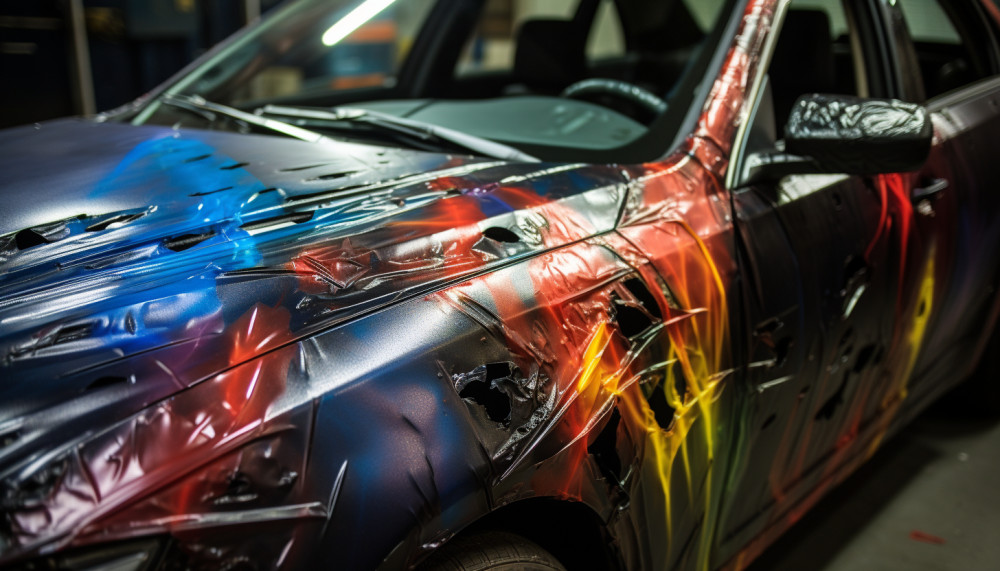
A. Unmatched Aesthetic Preservation: The primary benefit is the maintenance of a flawless, showroom-fresh appearance with significantly less effort. Micro-marring and swirl marks, often inflicted by automatic car washes or improper drying techniques, can disappear with ambient heat. This perpetual “just-detailed” look is a powerful selling point.
B. Significant Long-Term Cost Savings: While the initial investment for a professional application can be considerable, it must be viewed against long-term costs. Expenses associated with frequent professional polishing, paint correction, scratch touch-ups, and even partial repaints are dramatically reduced or eliminated. For lease vehicles, it can mitigate excessive wear-and-tear charges.
C. Enhanced Resale Value: A vehicle’s exterior condition is a primary factor in determining its resale or trade-in value. A car protected by a self-healing coating, with a documented history of application, can command a premium by assuring potential buyers of its pristine, well-protected state free of minor cosmetic flaws.
D. Reduced Maintenance Intensity: The need for aggressive polishing or compounding processes that remove a thin layer of clear coat each time is obsolete. Routine washing becomes safer and simpler, as the technology mitigates the risk of inflicting fine scratches during the cleaning process itself.
E. Superior Environmental Resistance: Many of these coatings incorporate robust UV inhibitors and chemical resistance, preventing oxidation, fading, and etching from environmental contaminants more effectively than traditional clear coats or basic sealants.
It is vital, however, to establish realistic expectations. Self-healing paint is a remarkable technology, but it is not a force field or a substitute for responsible ownership. Its capabilities have defined boundaries.
A. Depth and Severity Limitations: The technology is engineered to address surface-level imperfections. This includes fine swirls, spider-webbing, light scuffs from bushes or incidental contact, and scratches that do not fully penetrate the coating layer. It is generally ineffective against deep scratches that expose the primer or bare metal, significant gouges from keying, or damage from a collision.
B. The Role of Heat: The healing process is almost always thermo-responsive. Mild scratches may vanish on a warm sunny day. For deeper micro-scratches, the application of focused heat (e.g., from warm water or a gentle stream of air from a hairdryer) is typically required to catalyze the repair process. The required temperature is usually within a safe range that does not damage the paint.
C. It’s a Coating, Not Armor: The self-healing property refers to cosmetic repair, not impact resistance. It will not prevent rock chips from high-speed driving, which impart kinetic energy far beyond the coating’s ability to absorb. For this, a combination of a self-healing top layer over a traditional Paint Protection Film (PPF) is emerging as the ultimate solution.
D. Durability and Lifespan: Like all coatings, self-healing properties have a functional lifespan, typically ranging from 2 to 5 years depending on the product quality, application precision, and environmental exposure (e.g., constant sun, industrial fallout, extreme weather). The healing efficacy may gradually diminish over time before the coating itself fully degrades.
The successful application and performance of self-healing paint are profoundly dependent on the preparatory work that precedes it. The principle of “garbage in, garbage out” applies absolutely. The coating will lock in and replicate the surface it is applied to. Therefore, a comprehensive and flawless paint correction process is non-negotiable. This involves meticulous decontamination (chemical and mechanical), followed by machine polishing to remove every existing scratch, swirl, and defect. Any imperfection left on the surface will be permanently sealed under the self-healing layer, defeating its core purpose. This necessity underscores why professional installation by certified, experienced detailers is highly recommended for optimal results, as they possess the skill, environment, and tools to execute this critical preparatory stage perfectly.
Looking beyond the immediate consumer benefits, the global rollout of self-repairing paint signals profound shifts for related industries and future developments.
A. Impact on the Detailing and Insurance Industries: The automotive detailing industry will see a transformation. While demand for basic washing and coating application will rise, the need for repetitive paint correction services will likely fall. Detailers will evolve into becoming certified application specialists and consultants. For insurers, the potential for reduced claims for minor cosmetic damage could influence policy structures and premiums for vehicles with verified protected status.
B. Future Innovations and Integration: The future trajectory points toward even more advanced materials. Research is ongoing into coatings with multiple healing cycles, greater depth of repair, and compatibility with different stimuli like water or electricity. The integration of self-healing properties directly into PPF is already a reality. Furthermore, we can anticipate this technology trickling down from premium vehicles to become a standard or optional feature on mainstream models within the next decade.
C. Broader Industrial Applications: The implications extend far beyond automobiles. The aerospace, marine, consumer electronics (smartphone casings), and even architectural sectors are investigating similar coatings to protect sensitive and expensive surfaces from wear, reducing maintenance costs and improving product lifecycle sustainability.

The worldwide launch of self-healing automotive paint is far more than a novel product release; it is a definitive milestone in material science and practical consumer technology. It transitions the role of a vehicle’s exterior from a passive, degradable shell to an active, self-maintaining component. By intelligently addressing the most common and frustrating form of cosmetic damage light scratches and swirls it delivers tangible value through preserved beauty, reduced long-term costs, and enhanced ownership satisfaction. As the technology matures, becomes more accessible, and integrates with other protective systems, the dream of a perpetually perfect car finish moves decisively from the realm of science fiction into the reality of global markets. For anyone who values their vehicle’s appearance and longevity, understanding and considering this technology is no longer optional it is an essential part of modern automotive stewardship.