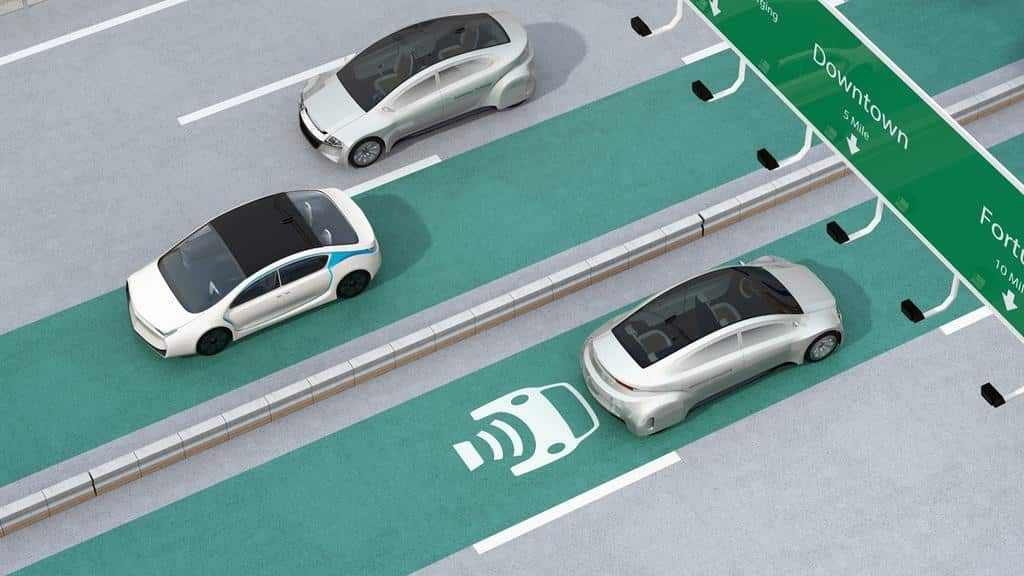
The global transition towards electric vehicles (EVs) represents a pivotal shift in our approach to transportation and environmental stewardship. However, this transition faces significant hurdles, primarily centered around battery technology: range anxiety, extended charging durations, limited charging infrastructure, and the environmental footprint of battery production. Imagine a paradigm where these challenges are fundamentally mitigated not by incremental battery improvements, but by a transformative infrastructure solution. Enter the world of dynamic wireless charging, a technology enabling electric roads to power vehicles seamlessly while they are in motion. This innovation promises to redefine electric mobility, turning range anxiety into an antiquated concern and paving the way for smaller, more efficient batteries and truly sustainable transport networks.
This article delves deep into the mechanics, benefits, global progress, and profound implications of electric road systems (ERS) that wirelessly charge moving EVs. We will explore how this technology functions, its key advantages over conventional charging, the pioneering projects demonstrating its viability, and the multifaceted challenges that must be overcome for widespread adoption.
A. Understanding the Core Technology: How Dynamic Wireless Power Transfer Works
At its heart, dynamic wireless charging for EVs is based on the principle of inductive power transfer (IPT), a more advanced and powerful application of the technology used to charge smartphones and toothbrushes. The system consists of two primary components: infrastructure embedded in the road and receivers installed on the vehicle.
A.1. The Road-Embedded Infrastructure
Beneath the road surface, carefully engineered coils or conductive plates are installed. These are connected to a high-frequency power source and a sophisticated management system. The infrastructure is typically segmented into manageable sections or “pads” that activate only when a vehicle is directly overhead, optimizing energy efficiency and safety. These coils generate an alternating magnetic field when energized.
A.2. The Vehicle-Based Receiver Unit
Equipped underneath the EV, a compatible pickup coil or receiver assembly is installed. As the vehicle drives over the energized segments of the road, the alternating magnetic field induces an alternating electrical current in this receiver coil through electromagnetic induction, without any physical contact.
A.3. The Onboard Conversion Process
This induced AC current is then rectified and conditioned by a power conversion unit within the vehicle. It is subsequently used to directly power the electric motor or, more commonly, to charge the vehicle’s onboard battery pack while driving. This process effectively decouples energy supply from the battery’s static capacity, allowing for continuous operation.
A.4. Communication and Control Systems
A critical, often overlooked layer is the real-time communication network. The vehicle and the road infrastructure communicate via secure protocols (like Wi-Fi or dedicated short-range communications) to identify the vehicle, authorize power transfer, activate the specific road segment ahead of the vehicle, and precisely match power levels for optimal efficiency and safety.
B. Key Advantages: Why Electric Roads Are a Game-Changer
The implementation of dynamic charging corridors offers a multitude of strategic benefits that address the core limitations of current EV adoption.
B.1. Virtual Elimination of Range Anxiety
The most direct impact is the dissolution of range anxiety. With a network of electric highways, an EV’s operational range is limited only by the extent of the road network, not by battery capacity. Long-distance travel becomes as straightforward as using a conventional internal combustion engine vehicle.
B.2. Reduction in Battery Size and Cost
Currently, EVs require large, expensive battery packs (often 60-100 kWh or more) to achieve acceptable range. With dynamic charging continuously supplying power, the reliance on the battery diminishes. This could allow for the use of smaller, cheaper battery packs (e.g., 20-40 kWh) sufficient for off-highway travel, dramatically reducing the upfront cost of EVs a major barrier for many consumers.
B.3. Alleviation of Grid and Charging Station Congestion
Instead of concentrating high-power demand at stationary fast-charging hubs (which strain local grids), dynamic charging distributes the energy demand across the roadway network and over time. This can be managed and optimized to use base-load or renewable energy more effectively, preventing peak-load spikes.
B.4. Enhanced Sustainability and Resource Efficiency
Smaller batteries mean a drastically reduced need for critical minerals like lithium, cobalt, and nickel. This lowers the environmental and ethical costs associated with mining, refining, and battery manufacturing. It also simplifies end-of-life battery recycling.
B.5. Uninterrupted Operation for Commercial and Public Transport
This technology is particularly transformative for fleet operators. Delivery vans, taxis, buses, and long-haul trucks could operate 24/7 without stopping to charge, maximizing uptime and profitability. Public transit systems, like electric buses on fixed routes, are ideal early adopters.
B.6. Paving the Way for Fully Autonomous Vehicles
A self-driving car that never needs to stop for refueling or charging is a far more viable and efficient proposition. Dynamic charging infrastructure could seamlessly support autonomous freight and taxi fleets, enabling truly continuous operation.
C. Current Implementations and Global Pilot Projects
This is not merely speculative technology; it is being tested and deployed in various forms worldwide, proving its technical and economic feasibility.
C.1. Sweden’s eRoadArlanda and Evolution
Sweden is a global leader, having tested conductive (rail-based) and inductive systems. Their “Smart Road” project near Visby and the ongoing evolution on public roads aim to decarbonize heavy transport. The Swedish government has a strategic plan to deploy 2,000 km of ERS by 2030.
C.2. Israel’s Electreon Wireless Charging Roads
Electreon, an Israeli tech firm, has deployed numerous pilots globally. In Detroit, Michigan, they launched the first public wireless charging road in the United States. Their technology involves installing copper coils beneath the road surface and is being tested for public buses and other vehicles.
C.3. Italy’s “Arena del Futuro” (Arena of the Future)
This high-profile project on the Brebemi highway uses both inductive charging for cars and conductive charging for trucks. It has demonstrated that vehicles can travel at highway speeds while receiving sufficient power, validating the technology’s performance under real-world conditions.
C.4. The United Kingdom’s Dynamic Charging Trials
The UK has funded projects to trial dynamic wireless power transfer for taxis and other vehicles. Studies are underway to assess the feasibility of retrofitting the technology into existing motorways, examining both the engineering and economic models.
C.5. South Korea’s OLEV (Online Electric Vehicle)
KAIST’s OLEV system has been in development for over a decade, powering shuttle buses within campuses and theme parks. The system uses a “shaped magnetic field in resonance” design, which allows for a larger air gap and higher efficiency, even with partial road coverage.
D. The Significant Hurdles and Challenges to Overcome
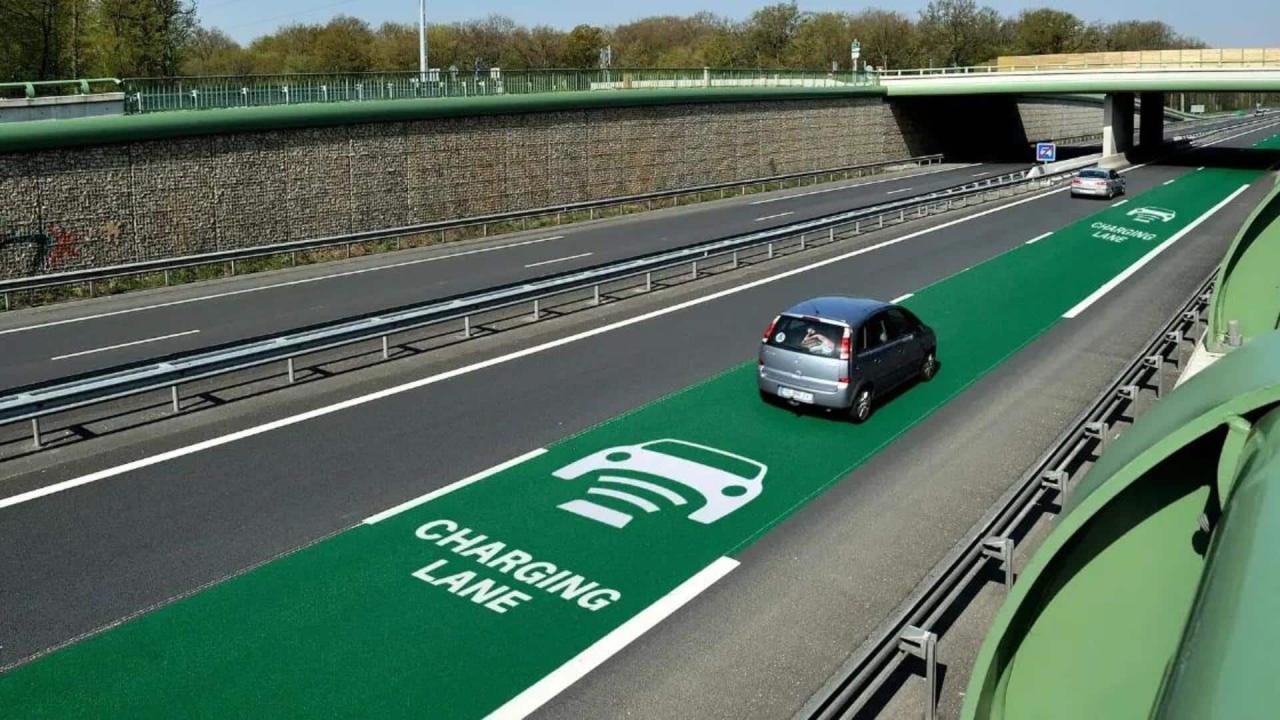
Despite its promise, the path to a nationwide network of electric roads is fraught with technical, financial, and regulatory obstacles.
D.1. Colossal Infrastructure Investment and Costs
The upfront capital expenditure is staggering. Retrofitting thousands of miles of existing highways with embedded coils, power electronics, and communication systems requires investment on a national scale, likely necessitating public-private partnerships and new funding models.
D.2. Standardization and Interoperability
A universal technical standard is imperative. All vehicles from all manufacturers must be able to charge from all compliant roads. Global bodies like the International Electrotechnical Commission (IEC) and SAE International are working on standards, but widespread agreement is crucial.
D.3. Installation and Maintenance Logistics
Installing the technology requires digging up roadways, which causes significant disruption. Maintenance of the embedded systems, especially in harsh weather conditions involving snow, ice, salt, and heavy loads, poses a major engineering challenge. Roads must remain durable and safe.
D.4. Energy Efficiency and Grid Impact
While efficient, wireless power transfer incurs losses (typically 5-15% in current systems). At a national scale, these losses must be minimized. Furthermore, the grid must be robust enough to supply these corridors, though smart management can direct power to where vehicles are.
D.5. Safety Concerns and Public Perception
The public must be assured that strong electromagnetic fields are safe for drivers, passengers, and pedestrians. Rigorous testing and clear communication are needed. Additionally, cybersecurity for the communication network is paramount to prevent unauthorized access or manipulation.
D.6. The “Chicken-and-Egg” Dilemma
Automakers are hesitant to mass-produce vehicles with expensive receivers without a widespread charging network. Conversely, infrastructure developers are reluctant to build roads without a critical mass of equipped vehicles. Strategic, coordinated rollout is essential to break this cycle.
E. The Future Roadmap: Potential Pathways to Adoption
The journey to electrified roads will likely be evolutionary, not revolutionary, following a logical progression.
E.1. Phase 1: Niche Fleet Applications (Present – 2030)
Initial adoption will focus on closed-loop systems and fleets with fixed routes: public transit buses, airport shuttles, taxi queues, mining operations, and port logistics. These controlled environments simplify installation, maintenance, and vehicle standardization.
E.2. Phase 2: Strategic Corridor Deployment (2030 – 2040)
Based on learnings from Phase 1, governments and private consortia will begin electrifying key freight corridors and major urban highways. This targets long-haul trucking a major emissions source and high-traffic commuter routes, providing maximum economic and environmental return on investment.
E.3. Phase 3: Integrated National and International Networks (2040+)
With technology matured and costs reduced, the integration of dynamic charging into standard road construction and maintenance could begin. This would create a seamless network, possibly integrated with autonomous driving corridors, making the need for large-battery EVs obsolete for most users.
F. Complementary Technologies and the Broader Ecosystem
Dynamic charging will not exist in a vacuum; it will synergize with other technological trends.
F.1. Synergy with Vehicle-to-Grid (V2G) and Smart Grids
Equipped EVs could act as distributed energy resources. While charging on the move, they could also feed power back to the grid during peak demand (if bidirectionality is designed in), especially when parked over static wireless pads, creating a dynamic energy buffer.
F.2. Integration with Autonomous Driving Systems
As mentioned, the combination is potent. The charging infrastructure’s communication network could also transmit real-time road data (conditions, traffic, hazards) to autonomous vehicles, enhancing safety and coordination.
F.3. Role of Renewable Energy Integration
Electric roads provide a perfect demand sink for intermittent renewable energy like solar and wind. Smart systems could direct surplus renewable power to the road network, effectively storing it in moving vehicles and enabling a near-100% renewable transportation sector.
Conclusion: A Transformative Vision for Sustainable Mobility
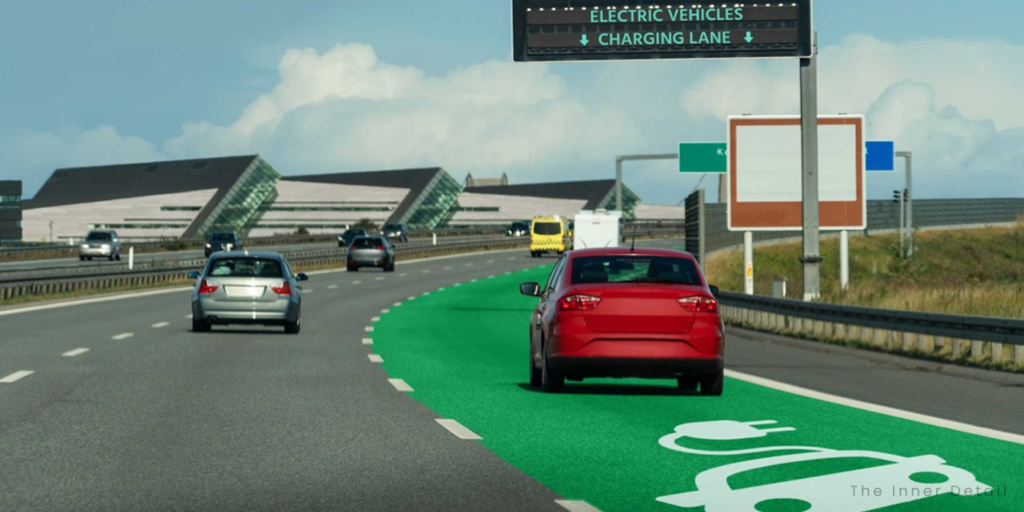
The concept of roads wirelessly charging moving electric vehicles transcends a mere incremental improvement in EV convenience. It represents a fundamental reimagining of our transportation energy paradigm. By shifting the energy storage burden from a finite, heavy, and resource-intensive battery inside the vehicle to an intelligent, distributed grid embedded in the infrastructure itself, we unlock a future of lighter, cheaper, and more accessible electric vehicles.
While the challenges of cost, standardization, and implementation are monumental, the parallel is drawn to the construction of the interstate highway system or the rollout of cellular networks transformative public works that reshaped economies and societies. The pilot projects underway across the globe are not just tests of engineering; they are beacons illuminating a path toward a cleaner, more efficient, and seamlessly connected mobility future. The road ahead is not just a path to travel on, but the very source of power for the journey. The era of the electric road is not a question of “if,” but “when” and “how,” and its arrival will mark a definitive milestone in humanity’s pursuit of sustainable technological progress.
This comprehensive exploration underscores that dynamic wireless charging is more than a technical novelty; it is a pivotal piece of the puzzle in achieving a zero-emission transportation future, demanding collaboration between governments, industry, and innovators to turn this electrifying vision into our everyday reality.