The electric vehicle (EV) revolution is accelerating at an unprecedented pace, yet it continues to grapple with a persistent challenge: range anxiety. The fear of being stranded with a depleted battery remains a significant psychological barrier for many potential adopters. While lithium-ion batteries have served as the workhorse of this revolution, their limitations in energy density, charging speed, and longevity are becoming increasingly apparent. Enter graphene, a material hailed as a “wonder substance,” promising to redefine the very foundation of energy storage. This article delves deep into how graphene-enhanced batteries are poised to not just incrementally improve but potentially double the driving range of electric vehicles, ushering in a new era of sustainable transportation.
Understanding the Core: What is Graphene?
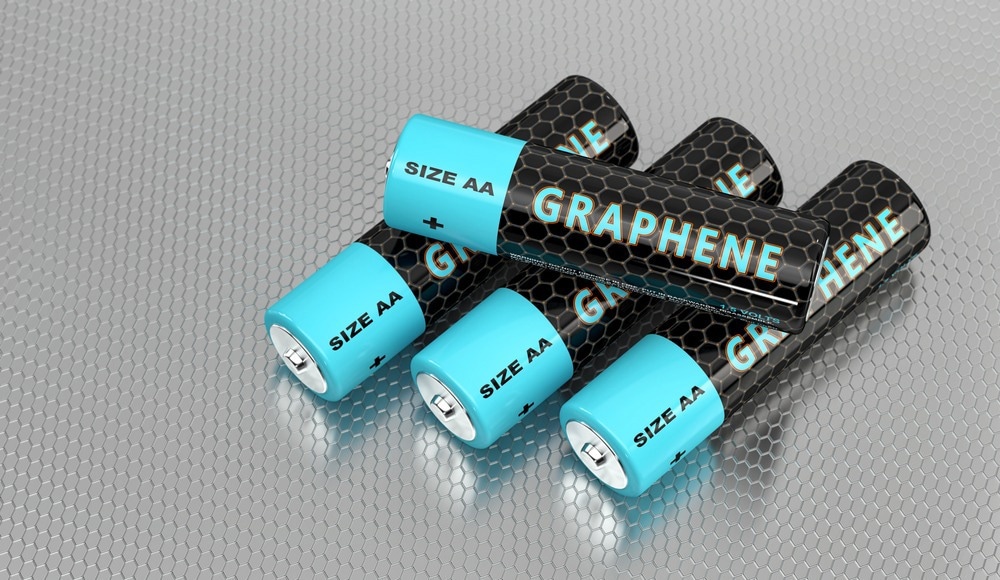
To appreciate the revolutionary potential of graphene batteries, one must first understand the material at their heart. Graphene is a single layer of carbon atoms arranged in a two-dimensional, hexagonal lattice. It is essentially the basic structural element of other carbon allotropes like graphite, carbon nanotubes, and fullerenes.
A. A Material of Superlatives:
Graphene is not just another new material; it holds world records for several key properties that are directly applicable to battery technology.
-
Conductivity: It is an exceptional conductor of both electricity and heat. Electrons can move through graphene with remarkably little resistance, far surpassing copper or silicon.
-
Strength and Flexibility: It is approximately 200 times stronger than steel while being incredibly lightweight and flexible. This allows for durable yet pliable battery components.
-
Surface Area: A single gram of graphene has a surface area of over 2,500 square meters. This vast area is crucial for electrochemical reactions in batteries.
B. The Production Challenge:
For years, the promise of graphene was tempered by the difficulty and cost of producing high-quality sheets at scale. However, advancements in chemical vapor deposition (CVD) and other production techniques are steadily bringing down costs and improving quality, moving graphene from the laboratory toward commercial viability.
The Shortcomings of Conventional Lithium-ion Batteries
Lithium-ion (Li-ion) batteries power everything from smartphones to today’s EVs. Their operation involves the movement of lithium ions between a cathode (typically a lithium metal oxide) and an anode (usually graphite) through an electrolyte. While reliable, this chemistry faces inherent bottlenecks:
A. Energy Density Plateau: The amount of energy stored per unit volume or weight is reaching its theoretical limit for traditional graphite anodes. This directly caps the potential range of an EV without adding more, heavier battery packs.
B. Slow Charging Rates: Lithium ions can only move so quickly into the graphite anode structure without causing damage or inefficiency. Fast charging generates heat and can lead to the formation of dendrites metallic tendrils that can short-circuit the battery.
C. Degradation and Lifespan: Repeated charge-discharge cycles degrade the anode and cathode materials. Heat exacerbates this degradation, reducing the battery’s overall capacity and lifespan.
D. Thermal Management Issues: Li-ion batteries are sensitive to temperature extremes. They require complex and energy-intensive cooling systems to maintain optimal performance and safety, adding weight and complexity.
How Graphene Transforms Battery Architecture
Graphene doesn’t typically replace all components of a Li-ion battery; instead, it is integrated as a transformative enhancer. Its application can be viewed in several key areas:
A. Graphene as an Anode Additive or Replacement:
This is one of the most promising applications. Replacing or supplementing the conventional graphite anode with graphene or a graphene-composite material offers profound benefits.
-
Enhanced Ion and Electron Transport: Graphene’s high conductivity and unique structure create a more efficient highway for lithium ions and electrons, reducing internal resistance.
-
Increased Surface Area: The immense surface area of graphene provides vastly more sites for lithium ions to attach (intercalate) during charging, directly increasing capacity.
-
Structural Integrity: Graphene’s strength and flexibility allow the anode to better withstand the expansion and contraction that occurs during charging cycles, dramatically improving longevity.
B. Graphene in the Cathode:
Researchers are incorporating graphene into cathode materials (like lithium iron phosphate or lithium-sulfur) to improve their electrical conductivity and structural stability. This leads to more efficient discharge and higher power output.
C. Graphene in Electrolytes and Separators:
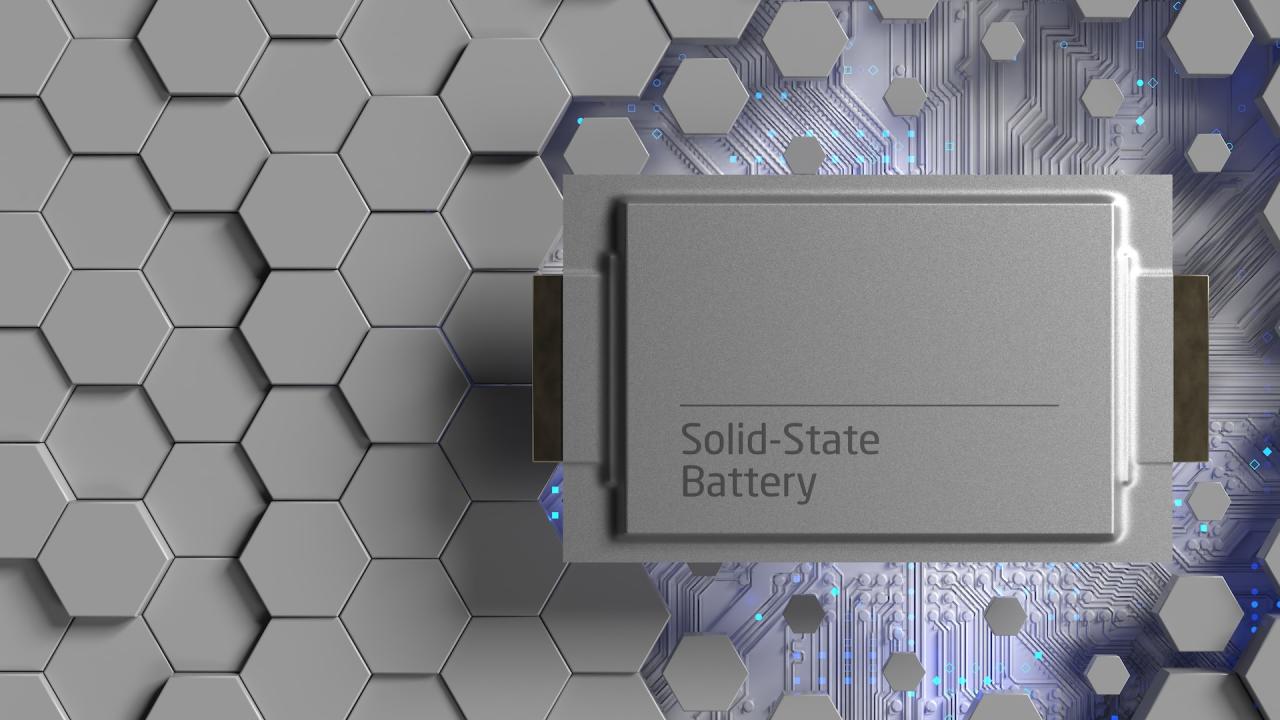
Developing solid-state or advanced composite electrolytes with graphene can enhance ionic conductivity while improving safety by reducing flammability. Graphene-coated separators can prevent dendrite formation more effectively.
The Path to Doubling EV Range: A Technical Breakdown
The claim of doubling EV range is not mere speculation but a logical projection based on graphene’s properties. Here’s how it translates from material science to real-world driving distance:
A. Quantum Leap in Energy Density: By enabling anodes with higher lithium storage capacity and creating more efficient cathodes, graphene-enhanced batteries can achieve significantly higher energy density. If a current EV battery pack stores 80 kWh and provides 400 km of range, a graphene battery of the same physical size and weight could store 120-160 kWh or more. This directly translates to a range of 600-800 km or beyond, effectively doubling the current average.
B. Revolutionizing Charging Speeds: “Refueling” in Minutes
The exceptional conductivity of graphene minimizes internal resistance. This means lithium ions can be inserted and extracted from the anode much faster without the same level of heat generation or degradation risk. Where a current fast charger might take 30 minutes to reach 80% charge, graphene batteries could potentially achieve a full 80-90% charge in 5 to 10 minutes. This transforms the EV experience, making it comparable to refueling a conventional car.
C. Extreme Longevity and Reduced Degradation:
The robust structure of graphene composites withstands charge cycles far better than graphite alone. While a typical Li-ion battery might degrade to 80% capacity after 1,000-2,000 cycles, early research on graphene anodes suggests the potential for 5,000 cycles or more with minimal capacity loss. This means the battery and the vehicle’s range remains high for the entire lifespan of the car, potentially 15-20 years.
D. Superior Thermal Management:
Graphene’s excellent thermal conductivity allows heat to dissipate evenly and rapidly throughout the battery cell. This reduces hot spots, enhances safety, and lessens the burden on cooling systems. A cooler battery operates more efficiently and degrades more slowly, preserving its range-enhancing capacity.
Current State of Development and Key Players
The transition from laboratory breakthroughs to production lines is underway. Several companies and research consortia are at the forefront:
A. Graphene Manufacturing Group (GMG) & Bosch: This Australian company is developing a “Graphene Aluminum-Ion Battery” that boasts charging times 70 times faster than conventional Li-ion and a lifespan three times longer, with higher energy density goals.
B. Samsung Advanced Institute of Technology (SAIT): Samsung has published research on a “graphene ball” coating for battery electrodes, claiming a 45% increase in capacity and a five-fold faster charging speed. This technology could see application in EVs.
C. Nanotech Energy: This U.S. company is focusing on producing graphene-based batteries that are non-flammable, environmentally friendly, and feature high energy density and fast charging.
D. Academic and Institutional Research: Universities like MIT, Stanford, and institutions across Europe and Asia are continuously publishing findings on graphene composites, solid-state graphene electrolytes, and novel battery architectures.
The development is progressing in stages: first as additives to current Li-ion production (already happening in some high-performance consumer electronics), then as composite anodes, and eventually toward full-scale graphene-dominated battery designs.
Challenges and Hurdles to Mass Adoption
Despite the glowing potential, significant obstacles remain before graphene batteries become standard in every EV.
A. Cost: High-quality graphene production, while becoming cheaper, is still more expensive than bulk graphite. The cost-benefit ratio must reach a point where automakers see the value in the premium.
B. Scalable Manufacturing: Developing roll-to-roll and other manufacturing processes that can produce tons of consistent, defect-free graphene and integrate it into battery cells at automotive industry scale is a monumental engineering challenge.
C. Integration with Existing Systems: EV powertrains, battery management systems (BMS), and charging infrastructure are all built around the characteristics of Li-ion. Integrating a fundamentally different battery technology requires redesigns and new standards.
D. Long-Term Real-World Data: While lab results are promising, long-term performance data from real-world automotive use under varying temperatures, driving styles, and charging habits is still limited.
The Broader Impact: Beyond Just Range
The ripple effects of graphene battery adoption extend far beyond simply allowing drivers to travel further between charges.
A. Reducing EV Weight and Cost: Higher energy density means fewer battery cells are needed for the same range. This reduces the overall weight of the vehicle (improving efficiency further) and can lower the single most expensive component cost.
B. Alleviating Grid Pressure: If batteries can charge in minutes instead of hours, the utilization rate of fast-charging stations increases dramatically. This can reduce queue times and allow for more efficient infrastructure planning.
C. Enabling New Vehicle Designs: With smaller, lighter, and more flexible battery packs (enabled by graphene’s flexibility), designers could rethink EV architecture, potentially allocating battery space differently for better interior space or safety.
D. Accelerating Renewable Energy Integration: The longevity and rapid cycling capability of graphene batteries make them ideal for grid storage, smoothing out the intermittent supply from solar and wind power. This creates a virtuous cycle for the sustainability of the EVs themselves.
Conclusion: The Inevitable Evolution
The journey from the lithium-ion era to the graphene-augmented era is not a question of “if” but “when.” The material science is too compelling to ignore. While current EVs are breaking range barriers with sophisticated Li-ion packs, they are approaching a ceiling. Graphene batteries represent the key to breaking through that ceiling.
They promise a future where electric vehicles are not defined by compromise but by superiority: superior range that eliminates anxiety, superior charging that mirrors convenience, and superior longevity that enhances value. As production challenges are methodically overcome, we are steering toward a reality where “filling up” an EV takes a coffee break, where a single charge can handle a weekend road trip with ease, and where the battery outlives most other components of the car. The revolution in electric mobility is just getting started, and it is being powered by a single, atom-thick layer of carbon. The road ahead is not just electric; it is graphene-paved.