The year 2026 is poised to be etched in the annals of transportation history as a pivotal turning point. What was once confined to the realms of science fiction and futuristic concept art is now transitioning into regulated, operational reality. The long-awaited and comprehensive approval for what the public colloquially terms “flying cars” more accurately known as Electric Vertical Take-Off and Landing (eVTOL) aircraft and advanced personal air vehicles has achieved a critical mass, sending ripples of transformation across regulatory bodies, automotive and aerospace industries, and urban planning departments globally. This isn’t merely about a new product launch; it represents the dawn of a third dimension in personal and public transit, a fundamental shift in how we perceive distance, connectivity, and the very fabric of our cities.
The journey to this milestone has been a marathon of technological grit, regulatory caution, and infrastructural imagination. For decades, the concept faced a triumvirate of daunting challenges: technological feasibility, safety certification, and public acceptance. The breakthroughs that coalesced in the early 2020s provided the necessary keys. Revolutionary advancements in battery energy density and powertrain efficiency finally offered the sustained power-to-weight ratio required for practical, emission-free flight. Similarly, the maturation of artificial intelligence and machine learning, honed through billions of autonomous driving miles and sophisticated drone operations, delivered the reliable sense-and-avoid and flight-stabilization systems essential for managing the complexities of low-altitude urban airspace. These technological pillars transformed the flying car from a prototype novelty into a vessel ready for rigorous certification.
However, technology alone could not open the skies. The regulatory landscape, historically fragmented and cautious, underwent its own metamorphosis. Leading aviation authorities, most notably the Federal Aviation Administration (FAA) in the United States and the European Union Aviation Safety Agency (EASA), moved from exploratory committees to establishing definitive regulatory frameworks. The year 2026 marks the culmination of this process with the full implementation of Part 135 (Air Taxi) and novel vehicle-type certifications specifically tailored for eVTOLs. These regulations provide the clarity manufacturers and operators desperately needed, covering every critical aspect:
A. Airworthiness Certification: Establishing unprecedented safety standards for electric propulsion, distributed lift systems, and redundant flight controls that match or exceed conventional aviation safety paradigms.
B. Pilot Licensing and Training: Creating new categories for “powered-lift” pilots, blending fixed-wing and rotary-wing competencies, with intense simulation training on vertiport operations and emergency procedures.
C. Air Traffic Management (ATM) Integration: Developing and deploying new software-based platforms, often referred to as Unmanned Traffic Management (UTM) or Advanced Air Mobility (AAM) ecosystems. These digital systems manage low-altitude traffic, de-conflict flight paths, and interface seamlessly with existing air traffic control for manned aviation.
D. Noise and Environmental Compliance: Setting strict acoustic limits for urban operations and lifecycle emission standards to ensure community acceptance and environmental sustainability.
E. Maintenance and Operational Protocols: Defining who can maintain these complex vehicles and under what conditions, ensuring a consistent safety chain from factory to sky.
The commercial and operational models emerging in 2026 are diverse, reflecting the multifaceted potential of this new industry. The initial wave is dominated by two primary use-cases that have proven their viability and address immediate market needs.
The first, and most visible, is the Urban Air Taxi (UAT) service. Companies like Joby Aviation, Archer Aviation, and Volocopter have transitioned from demonstration phases to launching commercial operations in select megacities. These services function like aerial ride-sharing. Passengers book a flight via a smartphone app to travel from a vertiport in a business district to an airport, a satellite city, or a key suburban hub. The value proposition is time savings; a journey that could take 90 minutes in ground traffic is reduced to a serene, 10-15 minute electric flight. These services are initially premium-priced but are designed to become more accessible as scale increases, following the trajectory of many disruptive technologies.
The second model is for specialized and emergency services. The agility of eVTOLs makes them ideal for rapid response scenarios. Medical eVTOLs, configured as airborne intensive care units, are being deployed for organ transport and critical patient transfers between hospitals, bypassing ground congestion. Similarly, law enforcement and emergency management agencies are adopting these vehicles for aerial surveillance, disaster assessment, and rapid deployment of personnel and supplies to areas with compromised infrastructure.
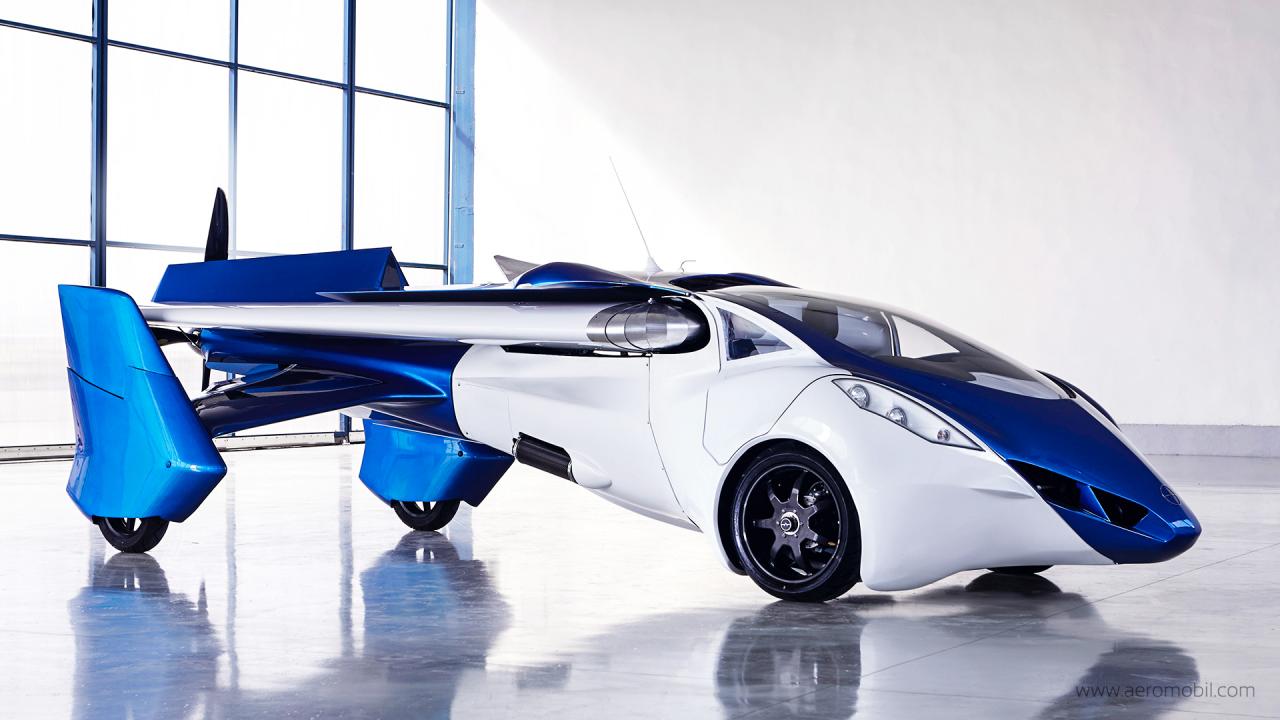
Looking beyond these initial models, the horizon expands for personal ownership and new vehicle classes. While the complexity and cost of current-generation eVTOLs place them primarily in commercial fleets, several manufacturers have announced certified, owner-pilot models for 2026-2027 delivery. This market segment targets high-net-worth individuals, rural property owners, and businesses with distributed operations. Furthermore, the regulatory clarity has spurred innovation in vehicle design, leading to the emergence of roadable aircraft true “flying cars” that can drive on public roads for last-mile connectivity before transitioning to flight mode at a designated area. These represent the ultimate synthesis of automotive and aerospace engineering, though they face the most stringent certification hurdles of all.
None of this aerial mobility can function without its terrestrial foundation: the vertiport and charging network. The infrastructure race is as fierce as the vehicle race. Real estate developers, airport authorities, and specialized companies are collaborating to design, permit, and construct vertiports. These are not traditional helipads; they are modular, scalable hubs featuring:
-
Multiple take-off and landing pads.
-
Passenger lounges and secure boarding gates.
-
Rapid-charging stations and battery-swapping facilities.
-
Maintenance bays and command centers for fleet operators.
-
Integration with ground transportation (taxis, metro, rideshare).
The strategic placement of these vertiports on top of parking garages, at transportation terminals, in business parks, and eventually in residential communities is defining the nascent network of “sky routes.”
The societal and economic implications of this shift are profound and will unfold over the coming decades. The most immediate impact is the alleviation of ground congestion. By moving a portion of trips especially airport transfers and inter-city commutes into the air, pressure on highways and bridges can be reduced. This promises significant economic savings from reduced lost productivity in traffic. Furthermore, the emergence of Aerotropolises cities designed or redesigned with air mobility as a core layer of their transportation network will influence urban development, potentially decentralizing business districts and revitalizing exurban areas with newfound connectivity.
The environmental promise hinges on the source of electricity. While eVTOLs themselves are zero-emission at point of use, their true carbon footprint depends on a green grid. When powered by renewable energy, they offer a sustainable alternative to short-haul regional flights and fossil-fueled car journeys. The industry also presents a formidable new economic frontier, estimated to be worth over $1 trillion by 2040. It is generating high-skilled jobs in manufacturing, software development, aviation services, and infrastructure, fostering a new aerospace boom.
Despite the soaring optimism of 2026, the path to ubiquitous urban air mobility remains dotted with challenges that must be navigated with care. Public acceptance is paramount. Beyond the novelty factor, communities must be assured of safety, security (from cyber threats), and minimal noise disruption. The equity and accessibility question looms large: will this become a luxury for the few, or can it evolve into an affordable public transit option? Early public-private partnerships for subsidized routes are being piloted to address this. Airspace security and cybersecurity are critical, requiring robust systems to prevent unauthorized use and protect navigation data. Finally, the insurance and liability frameworks are still evolving, determining responsibility in the rare event of incidents involving these new vehicles.
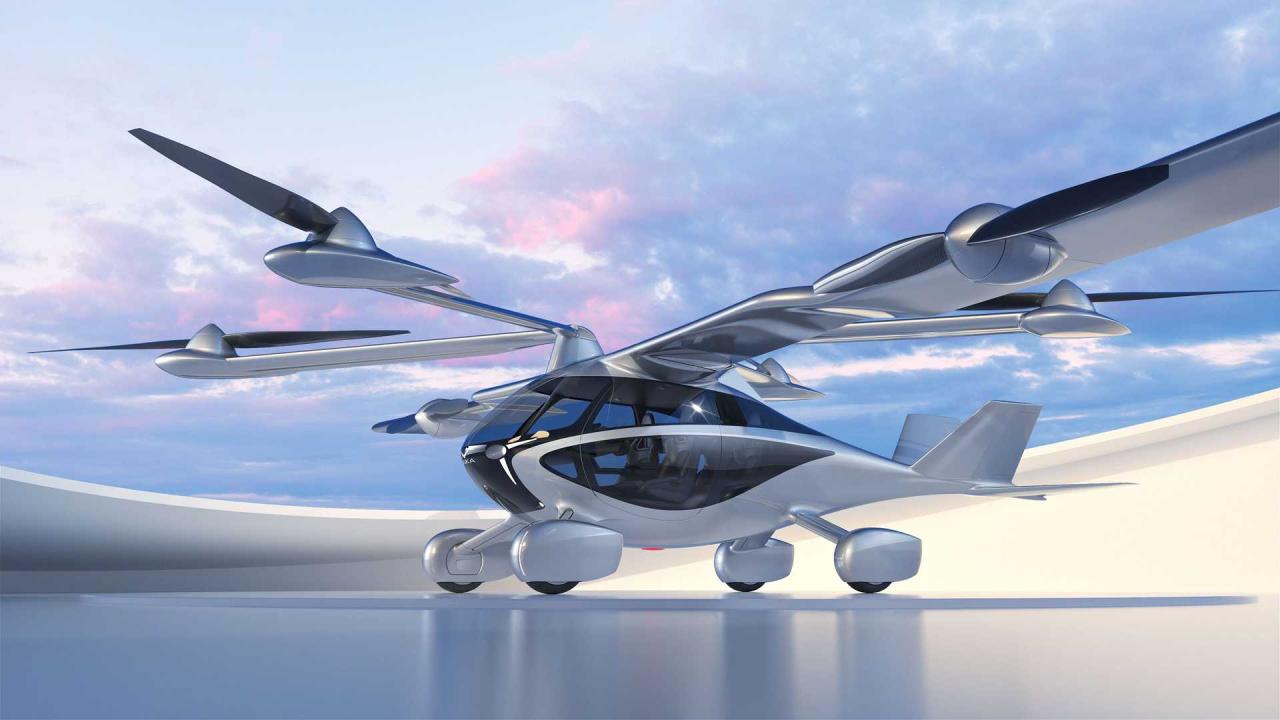
As we stand in 2026, witnessing the first wave of approved flying cars and air taxis entering service, it is clear that we are not merely adding a new vehicle type. We are initiating a gradual but irreversible re-engineering of human mobility. The skies, once the exclusive domain of commercial airliners and general aviation, are now becoming a dynamic, managed highway for a new era of electric, intelligent, and accessible flight. The approvals secured this year are the launch codes. The coming decade will be dedicated to scaling the technology, hardening the infrastructure, and, most importantly, earning the enduring trust of the public. The revolution is no longer airborne in theory; it is operational, regulated, and soaring towards a future where the third dimension is seamlessly woven into the tapestry of everyday travel.