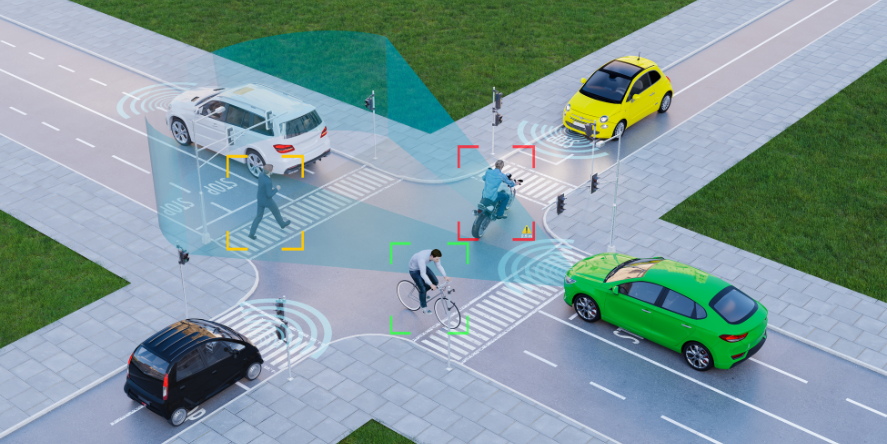
The automotive industry stands on the brink of a profound revolution, not merely of propulsion but of connectivity. The modern smart vehicle is a rolling network of sophisticated computers, sensors, and software, offering unprecedented convenience, safety, and efficiency. From autonomous driving aids to over-the-air updates and integrated infotainment ecosystems, connectivity defines the new driving experience. However, this digital transformation introduces a parallel dimension of risk: cyber vulnerability. As vehicles evolve into “smartphones on wheels,” they become attractive targets for malicious actors. This escalating threat landscape has catalyzed a dramatic and urgent response within the risk management sector: the meteoric rise of specialized cyber insurance for connected and autonomous vehicles. This article delves deep into the intricate ecosystem of smart vehicle cyber risks, explores the burgeoning cyber insurance market tailored for this sector, and provides a comprehensive guide for manufacturers, fleet operators, and individual owners on navigating this essential new layer of digital protection.
Understanding the Cyber Threat Landscape for Connected Vehicles
To comprehend why cyber insurance has become indispensable, one must first appreciate the vast and varied attack surface of a smart vehicle. Unlike traditional cars, modern vehicles contain upwards of 100 Electronic Control Units (ECUs) connected via internal networks like Controller Area Network (CAN bus). External connectivity points cellular, Bluetooth, Wi-Fi, and key fobs provide potential entry vectors for attackers.
A. Types of Cyber Threats and Potential Consequences
A. Remote Hacking and Takeover: Perhaps the most alarming threat, where attackers exploit software vulnerabilities to gain remote control over critical systems like steering, acceleration, or braking. This poses direct risks to passenger and pedestrian safety.
B. Data Breach and Privacy Invasion: Smart vehicles collect terabytes of sensitive data, including geolocation history, driving patterns, biometric information (from in-cabin sensors), and personal contacts from synced devices. A breach constitutes a severe privacy violation and regulatory compliance failure.
C. Ransomware and Denial-of-Service (DoS): Attackers could lock owners out of their vehicles or disable essential functions until a ransom is paid. A DoS attack on a vehicle’s connectivity could cripple navigation and emergency services.
D. Supply Chain Attacks: Compromising a single software vendor or a component supplier (e.g., a telematics unit provider) can open backdoors into millions of vehicles simultaneously, leading to mass recall events.
E. Manipulation of Sensor Data: By spoofing GPS signals or feeding false data to cameras and LiDAR, attackers could mislead autonomous driving systems, causing accidents or navigational failures.
B. Real-World Implications and Historical Precedents
Several high-profile demonstrations and incidents have moved this threat from theory to reality. Security researchers have famously taken remote control of Jeeps, Teslas, and other models, leading to massive recalls. These incidents prove that vulnerabilities are not hypothetical, forcing the auto and insurance industries to take definitive action.
The Surging Market for Automotive Cyber Insurance

The clear and present danger has fueled exponential growth in the cyber insurance market for smart vehicles. This is not merely an extension of traditional auto or cyber policies but a complex, hybrid product undergoing rapid evolution.
A. Key Drivers of Market Growth
A. Regulatory Pressure: Governments worldwide are enacting stringent regulations. UN Regulations (UN R155) and upcoming standards from bodies like the NHTSA in the U.S. mandate cybersecurity management systems (CSMS) for manufacturers, creating a formalized need for risk transfer.
B. Escalating Cost of Incidents: The financial fallout from a cyber incident is staggering. It includes costs for forensic investigation, software patches and recalls, regulatory fines (under GDPR, CCPA, etc.), litigation, third-party liability claims, and irreparable brand damage.
C. Rise of Autonomous Fleets: The commercialization of robotaxis and autonomous trucking fleets presents a concentrated risk. An attack on a fleet’s central management system or a single vehicle algorithm could have catastrophic, wide-scale consequences, making insurance non-negotiable for operators.
D. Consumer and Enterprise Demand: As awareness grows, consumers leasing or financing high-end smart cars, and corporations managing connected fleets, are explicitly seeking cyber coverage as part of their comprehensive risk portfolio.
B. What Does Smart Vehicle Cyber Insurance Cover?
Policies are highly customized but generally encompass a blend of first-party and third-party liabilities:
A. First-Party Coverage: Addresses direct losses to the policyholder. This includes costs for incident response, digital forensics, data recovery, business interruption for fleets, ransom negotiation and payment, and public relations efforts to manage reputational harm.
B. Third-Party Liability Coverage: Protects against claims from others. This is crucial, covering bodily injury or property damage resulting from a cyber-attack, regulatory defense and fines, and litigation costs from class-action lawsuits filed by affected vehicle owners.
C. Security Assessment Support: Some forward-thinking insurers partner with cybersecurity firms to offer pre-emptive services, such as vulnerability assessments, penetration testing for vehicle software, and security training for OEM staff, often leading to premium discounts.
C. Challenges in Underwriting and Pricing
Insurers face unique hurdles in this nascent field. The lack of extensive historical actuarial data makes risk quantification difficult. The rapid pace of technological change in vehicles can make a model obsolete within a model year. Furthermore, the potential for systemic risk where a single vulnerability affects an entire vehicle line poses a threat of correlated, massive losses. Pricing, therefore, relies on detailed assessments of a manufacturer’s or fleet’s cybersecurity maturity, software development lifecycle (SecDevOps), and supply chain security protocols.
A Strategic Roadmap for Mitigation and Insurance Readiness
Securing favorable cyber insurance terms is directly linked to demonstrable cybersecurity hygiene. Stakeholders must adopt a proactive, layered security approach.
A. For Manufacturers (OEMs) and Suppliers:
A. Implement a Certified Cybersecurity Management System (CSMS): Align with UN R155 and ISO/SAE 21434 standards. This provides a structured, auditable framework for managing cyber risks across the vehicle lifecycle.
B. Adopt a “Security by Design” Philosophy: Integrate security from the initial architecture phase. This includes hardware security modules (HSM) for encryption, secure boot processes, network segmentation to isolate critical ECUs, and rigorous penetration testing.
C. Establish a Robust Software Update Mechanism: Ensure secure and reliable over-the-air (OTA) update capabilities to deploy patches rapidly in response to discovered vulnerabilities, minimizing the window of exposure.
D. Foster Transparency and Collaboration: Engage in responsible disclosure programs with ethical hackers and share anonymized threat intelligence within industry consortia like Auto-ISAC.
B. For Fleet Operators and Corporate Owners:
A. Conduct a Comprehensive Cyber Risk Assessment: Specifically map all connected assets, data flows, and potential attack vectors within the fleet operation.
B. Implement Strict Access Controls and Monitoring: Utilize advanced fleet management software with strong authentication and continuous monitoring for anomalous vehicle behavior or data exfiltration attempts.
C. Develop an Incident Response Plan Tailored for Vehicles: Have a clear, tested playbook that includes technical isolation procedures, communication protocols with the OEM, and steps for engaging law enforcement and cyber insurance responders.
C. For Individual Owners:
A. Practice Digital Hygiene: Treat your vehicle’s software like your smartphone’s. Apply manufacturer updates promptly, use strong passwords for connected apps and accounts, and be cautious about connecting to unsecured public Wi-Fi.
B. Understand Your Existing Coverage: Review your auto and homeowner’s insurance policies to identify any gaps related to cyber incidents. Inquire with your insurer about available endorsements or standalone products.
C. Stay Informed: Follow updates from your vehicle’s manufacturer regarding security patches and advisories.
The Future Trajectory: Integration, Autonomy, and Evolving Policies
The cyber insurance market for smart vehicles is poised for continuous evolution, influenced by several key trends.
A. Convergence with Traditional Auto Insurance: The line between cyber and auto liability will blur. As accident causation becomes linked to software failures or hacking, determining fault will increasingly involve digital forensics, requiring deep integration between different insurance products.
B. Data-Driven Underwriting and Telematics: Insurers will increasingly leverage anonymized vehicle telematics data to assess individual risk profiles, potentially offering dynamic, usage-based cyber insurance premiums based on demonstrated security behaviors and driving patterns.
C. The Autonomous Vehicle Catalyst: Full autonomy (SAE Level 4/5) will represent the ultimate test. Insurance models may shift significantly, with liability potentially moving further toward manufacturers and software developers, making their cyber insurance policies one of the most critical components of commercial deployment.
D. Standardization of Policies and Exclusions: As the market matures, standard coverage clauses and common exclusions will emerge, providing more clarity for buyers. However, exclusions for state-sponsored attacks or acts of cyber-warfare are likely to remain points of careful negotiation.
Conclusion
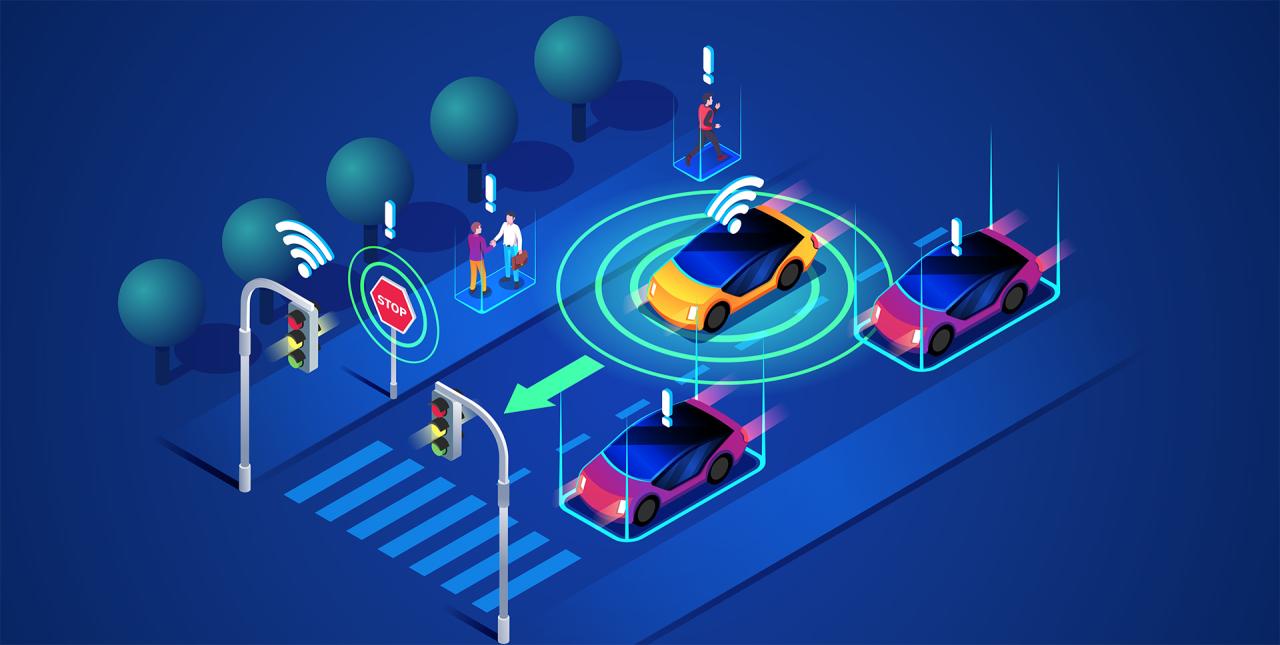
The skyrocketing demand for cyber insurance in the realm of smart vehicles is a definitive market signal a clear acknowledgment that our connected mobility future carries inherent digital risks that must be financially managed. This insurance is no longer a speculative product but a fundamental pillar of responsible automotive innovation, fleet management, and ownership. For manufacturers, it is a crucial risk transfer mechanism enabling innovation. For operators and owners, it is an essential safety net in an interconnected world. The journey toward secure and resilient smart transportation is a shared responsibility, requiring relentless vigilance from engineers, strategic foresight from executives, and informed caution from end-users. Investing in robust cybersecurity measures and the specialized insurance that complements them is not an option; it is the indispensable toll for traveling on the digital highway of the future.