The automotive industry, historically synonymous with mass production and substantial resource consumption, is undergoing a profound transformation. At the heart of this evolution lies a powerful, principle-driven goal: achieving zero waste in manufacturing. Moving beyond mere efficiency, zero waste represents a systemic reimagining of production where every material input is designed to circulate within the system, eliminating the very concept of trash. This is not a distant utopian ideal but an operational reality being implemented by pioneering manufacturers worldwide. This in-depth exploration delves into the strategies, technologies, and profound impacts of zero-waste philosophy as it reshapes the process of building vehicles, turning assembly lines into models of circular economy excellence.
The traditional “take-make-dispose” linear model has defined industrial manufacturing for over a century. In auto manufacturing, this resulted in staggering figures: millions of tons of scrap metal, plastics, chemicals, and production debris annually sent to landfills or incinerators. The zero-waste framework challenges this directly, guided by goals like the “90% Landfill Diversion” standard or the more rigorous “TRUE Zero Waste” certification. The objective is unambiguous: to design and manage products and processes so systematically that all discarded materials become resources for new use.
A. The Foundational Pillars of Zero-Waste Automotive Production
Achieving zero waste is not a single action but a multi-faceted strategy built on several interconnected pillars.
A. The Principle of Redesign and Prevention
The most effective waste management strategy is to never create waste in the first place. This begins at the design stage (Design for Environment or DfE). Engineers now design vehicle components with disassembly and material recovery in mind. This includes using mono-materials (instead of complex, inseparable composites), minimizing adhesive use, and standardizing fastener types. Furthermore, manufacturing processes are meticulously analyzed to prevent off-cuts and scrap. Advanced software simulations and 3D prototyping allow for near-perfect material planning before any physical cutting or molding begins.
B. The Implementation of Lean Manufacturing Synergies
Zero waste principles align perfectly with lean manufacturing’s goal of eliminating muda (waste). Techniques like Value Stream Mapping are used to identify and eradicate not only process inefficiencies but also physical waste streams. Just-in-Time (JIT) inventory delivery minimizes excess packaging waste and the risk of component degradation or obsolescence. The 5S methodology (Sort, Set in order, Shine, Standardize, Sustain) creates an organized workspace that prevents material misplacement and contamination, which often lead to waste.
C. The Creation of Closed-Loop Material Cycles
This is the cornerstone of the circular model within a factory. Instead of selling scrap metal, plastic, or wood to downstream recyclers, manufacturers establish systems to reprocess these materials directly back into their own production. For instance, plastic trim off-cuts are granulated on-site and fed back into injection molding machines. Sheet metal scraps are baled, returned to the steel supplier, and re-emerge as new sheet metal for future vehicles. This closed-loop approach conserves virgin resources, reduces energy consumption, and secures a reliable material supply.
D. The Power of Comprehensive Recycling and Recovery
For waste streams that cannot yet be prevented or closed-looped internally, robust recovery systems are essential. This goes far beyond simple paper and plastic bins. It involves detailed waste stream segregation at the source separating different polymer types, metals, and even grinding swarf (metal shavings). Partnerships with specialized recyclers turn materials like sand from casting operations, used oils, and solvents into valuable feedstocks for other industries, ensuring nothing is designated for landfill.
E. The Role of Cultural Transformation and Employee Engagement
Technology alone cannot drive zero waste; it requires a cultural shift. Successful programs actively engage every employee, from the factory floor to the executive suite. Training initiatives, clear labeling, incentive programs, and “green teams” empower workers to identify waste sources and propose innovative solutions. This bottom-up engagement is critical for continuous improvement and sustaining the zero-waste mission long-term.
B. Technological Vanguard: Tools Enabling the Zero-Waste Factory
Modern technology provides the precise tools needed to execute these ambitious strategies.
A. Advanced Robotics and AI-Powered Sorting
Robotic arms equipped with sophisticated vision systems and artificial intelligence can now identify, pick, and sort waste materials with superhuman accuracy and speed. These systems can differentiate between types of plastics or contaminants on a conveyor belt, ensuring purer, more valuable material streams for recycling. AI algorithms also analyze production data to predict and prevent waste generation, optimizing machine settings in real-time.
B. Additive Manufacturing (3D Printing)
3D printing is a revolutionary tool for waste reduction. It enables on-demand production of tools, jigs, and fixtures directly at the assembly line, eliminating the waste associated with traditional machining (where up to 90% of a metal block can become swarf). Furthermore, it allows for the use of recycled plastic powders for non-structural parts. Most innovatively, it facilitates lightweight, topology-optimized part designs that use the absolute minimum material necessary without compromising strength.
C. Digital Twins and the Internet of Things (IoT)
A digital twin a virtual, dynamic replica of the physical factory allows engineers to simulate and optimize every aspect of production for minimal waste before implementation. IoT sensors embedded in machines monitor performance, material usage, and energy consumption continuously. This data flow can predict maintenance needs (preventing breakdowns that cause scrap) and pinpoint exact locations and causes of material inefficiency.
D. Advanced Material Science
The development of new, more sustainable materials is crucial. This includes bio-based polymers derived from plants, natural fiber composites (using hemp, flax, or kenaf for interior panels), and recyclable thermoplastic composites that can be melted and reformed. These materials are designed with their end-of-life in mind, either being biodegradable in specific conditions or fully recyclable within existing industrial loops.
C. Tangible Benefits: Why the Auto Industry is Racing Toward Zero
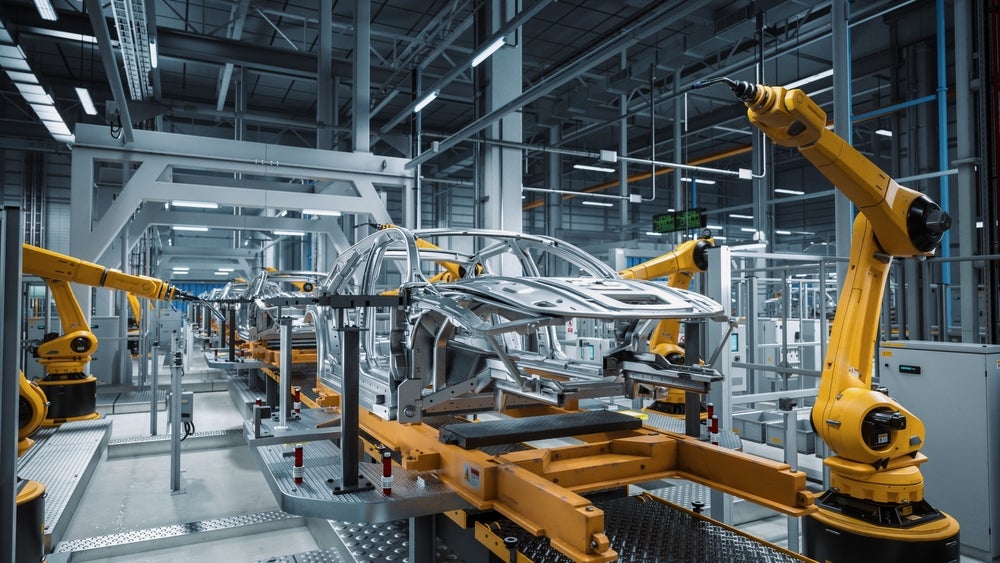
The drivers for this transformation extend far beyond regulatory compliance or public relations. The benefits are substantial, measurable, and fundamentally strategic.
A. Direct and Significant Cost Reduction
Waste is a sign of paid-for resources leaving the facility without generating value. By reducing waste, companies directly cut costs associated with raw material purchase, waste handling, transportation, and landfill taxes. Converting waste into in-house feedstock further insulates manufacturers from volatile commodity prices. The economic case for zero waste is compelling and often shows a rapid return on investment.
B. Enhanced Brand Value and Competitive Advantage
In an era where consumers, especially younger generations, prioritize sustainability, a demonstrable commitment to zero waste becomes a powerful brand differentiator. It signals innovation, responsibility, and forward-thinking leadership. This enhanced brand equity can translate directly into customer loyalty and market share, attracting both consumers and top-tier talent who want to work for an ethical company.
C. Strengthened Supply Chain Resilience
Closed-loop systems and on-site material recovery reduce dependency on external suppliers of virgin materials, which are susceptible to geopolitical instability, trade disputes, and logistical disruptions. This creates a more resilient, predictable, and controllable supply chain a critical advantage in today’s global economy.
D. Regulatory Foresight and Risk Mitigation
Environmental regulations worldwide are becoming increasingly stringent. Proactively adopting zero-waste principles positions manufacturers ahead of the curve, avoiding future fines, sanctions, or costly retrofits. It demonstrates environmental stewardship to regulators and local communities, fostering goodwill and smoother operational licensing.
E. Contribution to Broader Climate Goals
Manufacturing waste, especially when incinerated or decomposing in landfills, generates significant greenhouse gas emissions (like methane). By eliminating landfill waste and reducing the need for virgin material extraction and processing (which is energy-intensive), zero-waste manufacturing directly reduces a factory’s carbon footprint, aligning with corporate and global net-zero emissions targets.
D. Real-World Pioneers: Case Studies in Automotive Leadership
Several automakers have emerged as global leaders, providing concrete proof that zero waste is achievable at scale.
Subaru’s Lafayette, Indiana Plant stands as a landmark, becoming the first U.S. auto assembly plant to achieve zero landfill status in 2004. Nothing from the manufacturing process goes to a landfill. Their success is built on meticulous sorting (with over 600 recycling stations), innovative repurposing (turning plastic into park benches), and employee-led kaizen (continuous improvement) teams dedicated to waste elimination.
Toyota’s Global Mission integrates zero waste into its renowned Toyota Production System. The company champions the “3R” model (Reduce, Reuse, Recycle) across its global network. For example, it recycles used bumper covers into new ones and recovers rare earth metals from old nickel-metal hydride batteries. Their ambitious “Toyota Environmental Challenge 2050” includes goals for minimizing and recycling waste at all global sites.
BMW Group’s Material Loops exemplify high-tech circularity. At its plants, steel and aluminum scraps are returned to suppliers and reborn as new sheet metal. Plastic waste is processed into granules for new components. The company even uses a digital material database to track the recyclability of every part in its vehicles, ensuring future end-of-life recovery is maximized.
Ford Motor Company has pursued aggressive zero-waste-to-landfill goals for over a decade. One notable innovation is using recycled plastic bottles to create the REPREVE® fabric used in seats for many of its vehicles. Furthermore, Ford employs a by-product synergy network, finding other industries that can use its “waste” as a raw material, such as converting paint sludge into cement.
E. The Road Ahead: Challenges and Future Frontiers
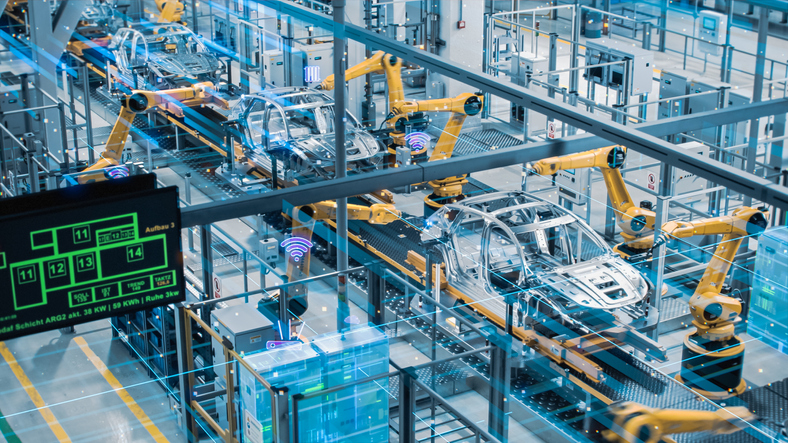
Despite remarkable progress, the journey is not without obstacles. The complexity of modern vehicles, with multi-material assemblies and advanced electronics, makes complete disassembly and recovery challenging. The economic viability of recycling certain low-value or contaminated materials remains a hurdle. Furthermore, achieving zero waste across the entire value chain from raw material extraction to end-of-life vehicle processing is the ultimate, yet unfulfilled, goal.
The future frontier lies in deepening the circular economy. This includes:
-
Vehicle-to-Grave Design: Designing every new model from inception for easy disassembly and 100% material recovery at its end-of-life.
-
Chemical Recycling: Deploying advanced processes to break down complex plastics and composites into their original chemical building blocks for true, high-quality closed-loop recycling.
-
Industrial Symbiosis Networks: Expanding beyond the factory fence to create regional ecosystems where one industry’s waste becomes another’s feedstock on a massive scale, with auto plants at the hub.
In conclusion, the pursuit of zero waste in car manufacturing is far more than an environmental initiative; it is a comprehensive business and innovation strategy redefining industrial efficiency. It represents a maturation from an industry that takes from the planet to one that innovates in harmony with it. By meticulously redesigning processes, embracing cutting-edge technology, and fostering a culture of resource reverence, the automotive sector is not just building cleaner cars it is constructing a cleaner, more responsible, and ultimately more resilient future for manufacturing itself. The zero-waste factory is no longer a prototype; it is the new blueprint for competitive and sustainable industrial leadership in the 21st century.