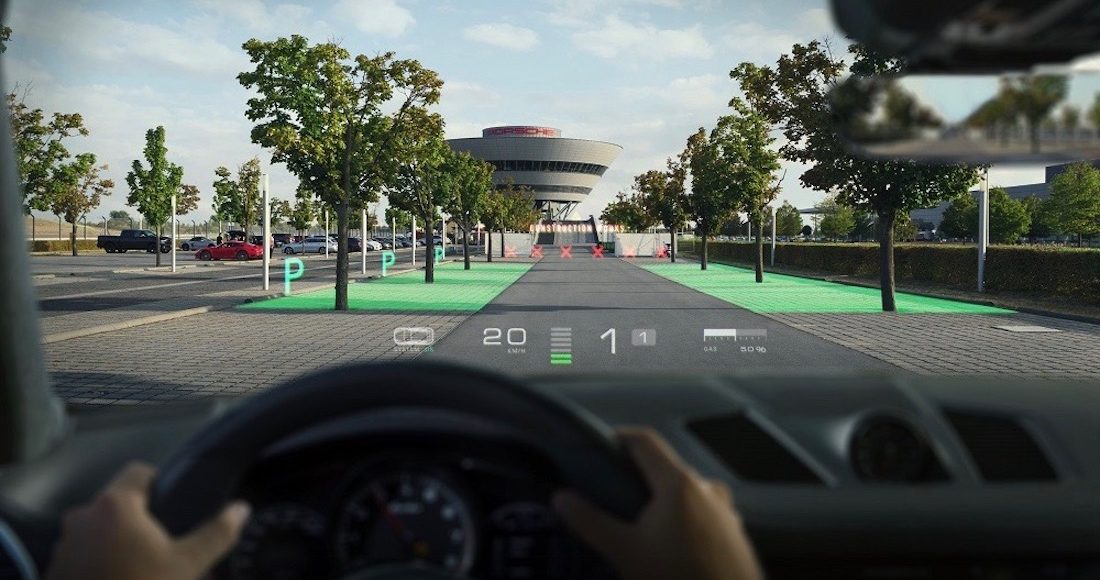
The automotive dashboard, once a simple array of dials and knobs, is undergoing a revolution that will fundamentally alter how we perceive and interact with the road. The instrument cluster and central screen are being superseded by a far more immersive and intuitive interface: the windshield itself. Augmented Reality (AR) Windshields, also known as AR Head-Up Displays (AR HUDs), are rapidly transitioning from a luxury novelty in high-end models to a standard feature across new vehicle lineups. This technological leap projects critical information directly onto the driver’s field of view, seamlessly blending digital data with the physical world. As this technology becomes ubiquitous, it promises to redefine safety, navigation, and connectivity, marking the most significant change to the driver’s visual experience since the invention of the windshield wiper. This comprehensive article explores the engineering marvel behind AR windshields, their multifaceted benefits for safety and convenience, the challenges manufacturers must overcome, and the profound implications for the future of mobility, including the integration with autonomous driving systems.
The Technology Behind the Transparency: How AR Windshields Work
An AR windshield is not merely a projection screen; it is a sophisticated optical system that requires precise integration of hardware, software, and vehicle data. Understanding its components demystifies the magic.
A. Core Hardware Components
A. Picture Generation Unit (PGU): This is the projector’s heart, creating the high-resolution images. Technologies include:
* TFT-LCD: A common, cost-effective method using a backlit LCD panel.
* DLP (Digital Light Processing): Uses microscopic mirrors for high brightness and contrast, ideal for dynamic AR content.
* Laser Scanning: Projects images directly using lasers, enabling extremely sharp visuals and a very wide field of view.
B. Optical Waveguide Combiner: This is the key innovation. Instead of projecting onto a simple combiner glass near the dashboard, advanced AR HUDs use a waveguide a transparent film or glass pane embedded in the windshield. It guides light from the projector to the driver’s eyes, allowing for a larger, more distant virtual image that appears to be floating over the road ahead (typically at a virtual distance of 7.5 to 15 meters).
C. Advanced Windshield: The windshield itself is specially designed. It often has a slight wedge shape or a proprietary coating to prevent double images (ghosting) of the projected graphics, ensuring crispness.
D. Sensor Fusion Suite: The AR system is useless without real-time data. It integrates input from a constellation of sensors: GPS for location, forward-facing cameras for object and lane detection, radar for adaptive cruise control data, and the vehicle’s own speed and navigation systems.
B. Software and AI: The Intelligent Layer
The hardware projects, but the software decides what to project and where. This is where artificial intelligence becomes critical.
A. Computer Vision Algorithms: Cameras feed live video to onboard processors running algorithms that identify and classify objects pedestrians, cyclists, other vehicles, lane markings, and traffic signs.
B. Spatial Registration and Tracking: This is the most complex task. The software must anchor virtual graphics to specific real-world objects with pixel-perfect accuracy and in real-time. For example, a navigation arrow must appear to point down the correct turn lane, and a hazard highlight must stay locked onto a pedestrian, even as the car and the pedestrian move.
C. Context-Aware Filtering: To avoid driver overload, AI must prioritize information. On a busy highway, it may highlight the car in your blind spot. On an empty road approaching your exit, it will emphasize the navigation cues. This dynamic filtering is essential for the technology to be helpful, not distracting.
The Multifaceted Benefits: Why AR Windshields Are Becoming Standard
The move toward standardization is driven by a powerful combination of safety enhancements, user experience improvements, and practical advantages.
A. Revolutionizing Driver Safety
A. Reduced Cognitive Distraction: The core safety principle is “eyes on the road.” By placing information in the driver’s line of sight, AR eliminates the need to glance down at a cluster or center console. Studies show this can reduce refocusing time by over 50%.
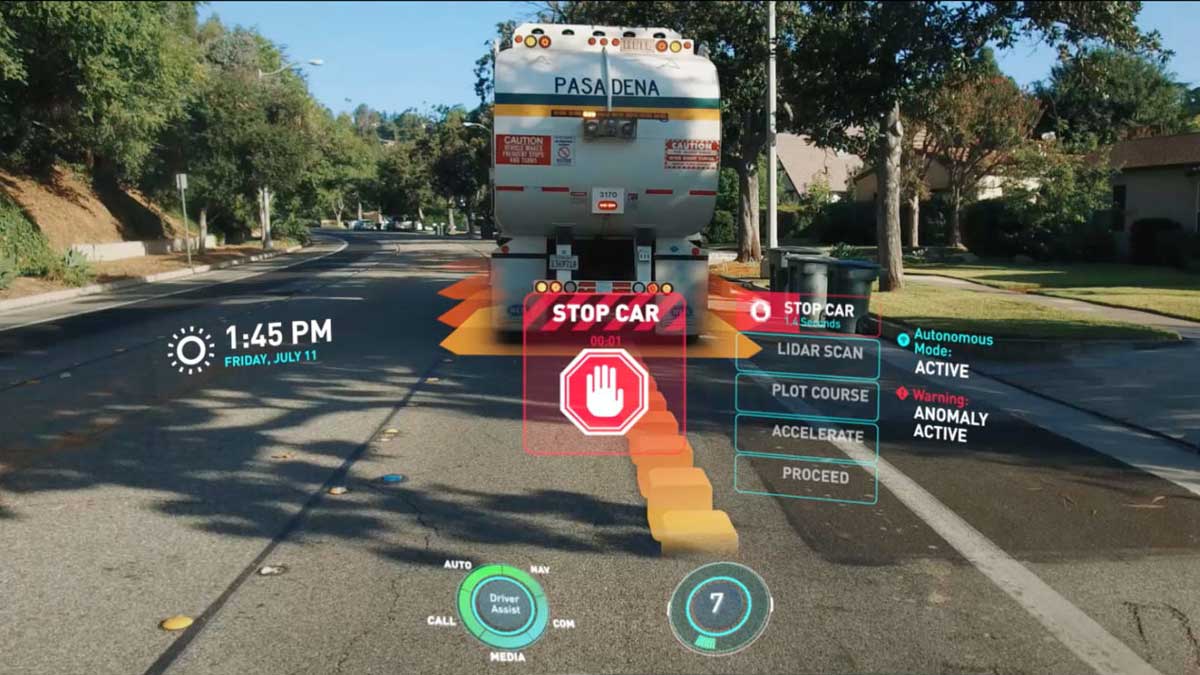
B. Intuitive Hazard Highlighting: Instead of a generic “Forward Collision Warning” light, the AR system can draw a glowing red box or halo around the actual pedestrian stepping from between parked cars or the suddenly braking vehicle ahead. This direct visual cue allows for faster instinctive reaction.
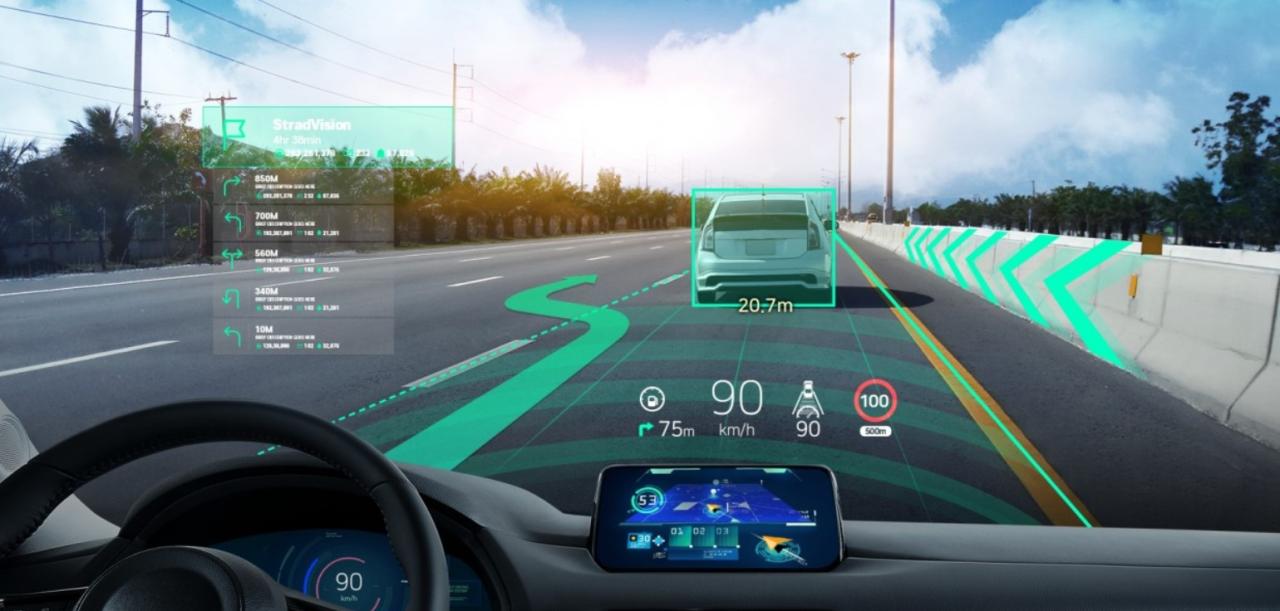
C. Enhanced Lane Guidance and Speed Awareness: Virtual lane boundaries can be projected when lane markings are faded or obscured by snow. The current speed limit, recognized by the camera, can be displayed directly in the driver’s view, subtly encouraging compliance.
D. Adaptive Cruise Control Visualization: The set following distance and the vehicle being tracked by ACC can be visually indicated, building driver trust in the system.
B. Transforming Navigation and Convenience
A. Intuitive Turn-by-Turn Guidance: Giant, context-aware arrows appear to flow into the actual turn lane. For complex intersections, a virtual “breadcrumb” trail or highlighted correct lane can be projected onto the road surface, eliminating confusion.
B. Point-of-Interest (POI) Tagging: As you drive, icons for your destination, recommended fuel stations, or available parking spots can be anchored to their real-world locations on the windshield.
C. Seamless Connectivity Integration: Incoming call alerts, selected music information, or even calendar reminders for your next appointment can be displayed in a non-obtrusive area of the HUD, keeping you connected without requiring you to touch your phone.
C. Enabling the Autonomous Future
As vehicles move toward higher levels of automation, maintaining driver situational awareness during handover requests is a major challenge. AR windshields are the perfect communication medium. They can gently illuminate the object the car’s sensors are uncertain about or visually explain the system’s intended path, allowing the human driver to regain context and control smoothly and safely.
Overcoming Challenges on the Road to Standardization
Despite the clear benefits, several significant hurdles must be cleared for AR windshields to achieve true, robust standardization.
A. Technical and Engineering Hurdles
A. Cost and Scalability: The waveguide technology and high-brightness PGUs are currently expensive. The challenge is to scale manufacturing and develop cost-effective solutions for mass-market vehicles without compromising quality.
B. Field of View (FOV) and Eyebox: A truly immersive AR experience requires a wide FOV (over 10×4 degrees) to project graphics across a broader section of the road. The “eyebox” (the space where the driver’s eyes can be to see the full image) must also be large to accommodate different driver heights and seating positions.
C. Readability in All Conditions: The system must be brilliant enough to be seen in direct desert sunlight but dim enough not to be blinding at night. It must also handle complex backgrounds, like busy city streets with countless visual elements, without the graphics becoming lost or confusing.
D. Latency and Accuracy: Any lag between real-world movement and the adjustment of the AR graphics can cause misalignment, making the system useless and inducing nausea. Sub-millisecond latency and centimeter-level accuracy are non-negotiable.
B. Human-Machine Interface (HMI) and Regulatory Concerns
A. Information Overload and Distraction: The greatest irony is that a system designed to reduce distraction could become one if poorly designed. OEMs and UI/UX designers must adhere to strict principles of minimalism, displaying only context-critical information. What information is shown, its size, color, and persistence are all subjects of intense study.
B. Standardization of Symbols and Cues: There is currently no universal standard for AR symbols. A yellow highlight for a hazard in one brand could be orange in another. The industry may need to develop common visual languages, much like standardized road signs, to ensure instant driver recognition.
C. Regulatory Approval: Global safety regulators (like NHTSA, Euro NCAP) are actively studying how to evaluate and regulate this new technology. Their guidelines will profoundly influence design and implementation.
The Future Vision: Beyond Basic Navigation and Warnings
The standardization of AR windshields is just the beginning. It creates a platform for a new ecosystem of in-vehicle applications and experiences.
A. Advanced Driver and Fleet Applications
A. “X-Ray Vision” for Commercial Vehicles: For truck drivers, AR could project a virtual outline of the trailer’s path during tight turns. It could also highlight hidden objects in blind spots, effectively granting “see-through” capabilities.
B. Performance and Telematics Data: For enthusiasts, circuit racing lines, G-force vectors, and lap timers could be projected onto a track day. For fleets, fuel efficiency tips or maintenance alerts could be contextually displayed.
C. Collaborative Driving and V2X Integration: With Vehicle-to-Everything (V2X) communication, your windshield could display warnings about a hard-braking vehicle several cars ahead, hidden icy patches reported by another car, or the optimal speed to catch a “green wave” of traffic lights.
B. Passenger Entertainment and Productivity
While initially a driver-focused technology, future iterations in autonomous vehicles will transform the entire windshield into an entertainment and productivity screen for passengers. They could watch movies, have video conferences, or interact with educational content about the passing landscape, all overlaid on the real world.
Conclusion: The Windshield as the Ultimate Connected Interface
The rapid journey of Augmented Reality Windshields from a sci-fi concept to a standard automotive feature signifies a paradigm shift. The windshield is no longer just a piece of safety glass; it is becoming the primary, intelligent interface between the driver, the vehicle, and the digital world. By seamlessly merging crucial data with reality, it addresses fundamental human factors in driving, promising a giant leap forward in safety, situational awareness, and ease of use. The challenges of cost, engineering, and design are substantial but are being actively tackled by every major automaker and tech supplier. As the technology matures and scales, we will soon consider a car without an AR windshield as antiquated as one without power steering or anti-lock brakes. It is the essential visual foundation upon which the next era of connected and automated driving will be built, turning every journey into a more informed, secure, and intuitively guided experience.