In the rapidly evolving landscape of automotive technology, a quiet revolution is reshaping our most fundamental interaction with our vehicles: how we enter and start them. The era of fumbling for metal keys or pressing a key fob button is steadily giving way to a more seamless, secure, and sophisticated paradigm. Biometric vehicle access, once a figment of science fiction and exclusive to ultra-luxury models, is now accelerating into the mainstream, promising to render traditional car keys obsolete. This comprehensive exploration delves into the mechanisms, benefits, challenges, and future trajectory of biometric systems that use your unique biological traits your fingerprints, your face, your voice as the key to your car.
The Evolution from Metal to Biology: A Brief History of Car Access
To appreciate the significance of biometric access, one must first understand the journey of vehicle security. For decades, the mechanical metal key was the undisputed standard. Its simplicity, however, was its vulnerability. Car thefts via lock picking or hot-wiring were prevalent. The introduction of the electronic immobilizer and the radio-frequency identification (RFID) key fob in the late 20th century marked the first major leap. This system added a layer of electronic verification, significantly reducing theft.
The subsequent step was passive keyless entry and start systems, where the car detects the fob’s presence and allows doors to unlock and the engine to start with a button press. Yet, this technology introduced its own vulnerabilities, such as “relay attacks” where thieves amplify the fob’s signal to steal cars without a trace of forced entry. This security gap, coupled with a broader cultural shift towards personalization and connectivity, set the stage for biometrics. The automotive industry turned to the most unique identifier available the human body itself to create a system that is not only more convenient but inherently tied to the authorized user.
How Biometric Vehicle Access Systems Operate
At its core, a biometric system replaces the physical key or fob with a digital representation of a physiological or behavioral characteristic. This process involves three key stages: enrollment, authentication, and execution.
A. Enrollment: The first time a user sets up the system, the car’s sensors capture high-resolution data of the chosen biometric trait. For a fingerprint, this might involve scanning the finger from multiple angles. For facial recognition, a camera or infrared sensor creates a detailed depth map of the driver’s face. This data is then processed, encrypted, and stored securely within the vehicle’s local Electronic Control Unit (ECU), not on a cloud server, to prevent remote hacking.
B. Authentication: When a user approaches the car or attempts to start it, the system performs a real-time scan. Advanced algorithms then compare this fresh scan data to the encrypted template stored during enrollment. This matching process accounts for minor variations like a new hairstyle, glasses, or a slightly dirty finger by focusing on immutable nodal points.
C. Execution: Upon a successful match, the system sends a digital command to unlock the doors, open the tailgate, or initiate the start sequence. The entire process, from scan to action, often occurs in under two seconds, creating an experience of effortless access.
Primary Modalities of Biometric Authentication in Cars
Various biometric modalities are being developed and deployed, each with its own advantages and ideal use cases.
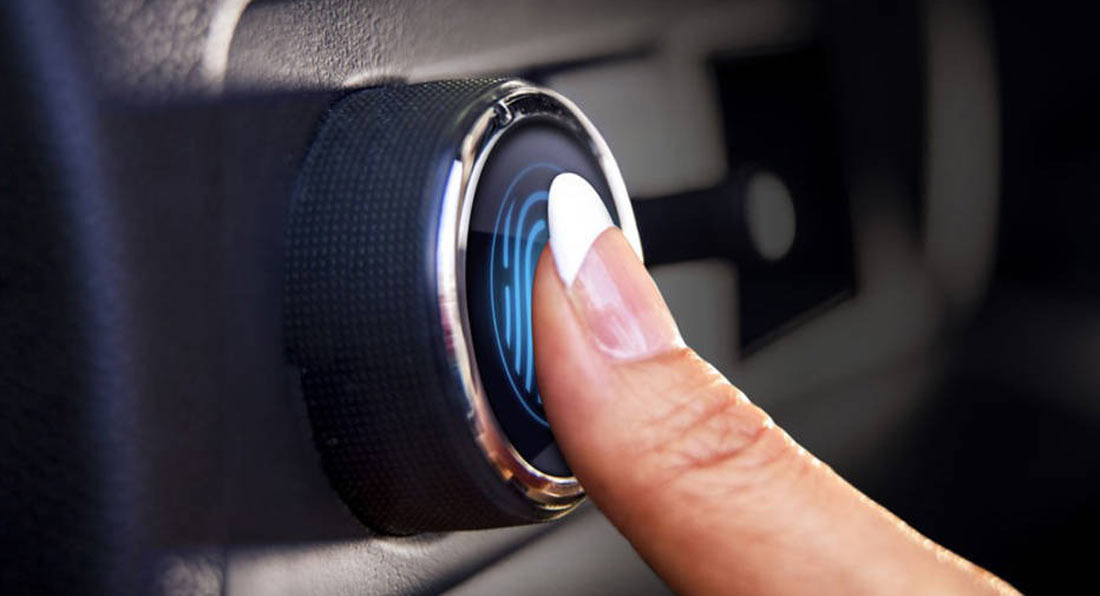
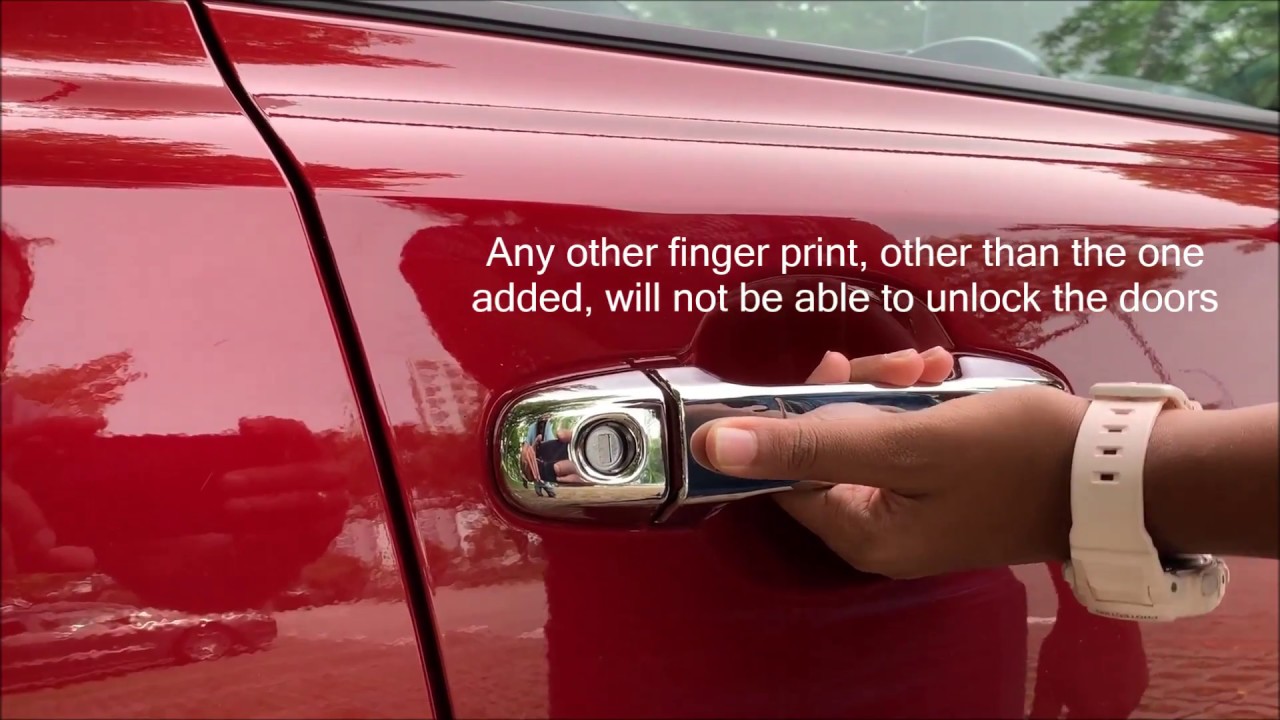
A. Fingerprint Recognition: Arguably the most widespread and accepted form, it involves sensors integrated into the door handle or the start/stop button. Modern systems use capacitive or ultrasonic sensors that can read fingerprints even with slight moisture or dirt, offering a direct replacement for the physical act of turning a key.
B. Facial Recognition: Utilizing cameras and often near-infrared or 3D time-of-flight sensors, this system identifies the driver as they approach the vehicle. It can adjust seating positions, mirrors, climate settings, and infotainment preferences automatically upon recognition, offering a highly personalized experience. It’s particularly effective for hands-free trunk access.
C. Voice Recognition: While used for years for in-car commands, it is now being refined for secure access. The system analyzes unique voice patterns (voiceprints) against a stored model. It is often used as a secondary or tertiary authentication layer due to potential background noise interference.
D. Iris or Retina Scanning: Offering extreme accuracy, this method scans the unique patterns of the eye. While currently less common due to cost and driver positioning challenges, it is being explored for high-security applications.
E. Vein Pattern Recognition: A highly secure and difficult-to-spoof technology that maps the unique vein patterns in a person’s palm or finger. It is exceptionally reliable as these patterns lie beneath the skin and are unaffected by surface conditions.
Tangible Advantages Over Traditional Key Systems

The shift to biometrics is driven by a compelling array of benefits that address pain points for manufacturers, owners, and fleet managers alike.
A. Enhanced Security and Theft Deterrence: Your biometric data is exceedingly difficult to steal, duplicate, or forge. Unlike a key fob, you cannot lose your fingerprint, and a thief cannot conduct a relay attack on your face. This intrinsic link between the car and its authorized user creates a formidable barrier against theft.
B. Unparalleled Convenience and Keyless Living: The burden of carrying keys is eliminated. For drivers juggling groceries, children, or work items, the ability to unlock a car with a simple touch or glance is transformative. It also ends the costly and stressful experience of being locked out or losing a key fob.
C. Multi-User Personalization: A single vehicle can store profiles for multiple drivers. When Dad’s fingerprint is scanned, the seat adjusts to his preset position, his favorite radio station loads, and the navigation system displays his commute. When Mom uses her facial recognition, the car reconfigures entirely to her preferences. This extends to valets or friends, where limited-access profiles can be created.
D. Seamless Integration with Connected Ecosystems: Biometric access is a natural gateway to the connected car. It can facilitate personalized payment at drive-throughs or charging stations, secure vehicle sharing via digital permissions, and log driver data for business mileage or teen driver monitoring with precision.
E. Durability and Reduced Production Complexity: While the initial R&D is high, eliminating physical key slots, ignition cylinders, and complex fob electronics can streamline manufacturing and reduce long-term warranty claims related to mechanical key wear and tear.
Addressing Challenges and Privacy Concerns
No transformative technology is without its hurdles. For biometric vehicle access, these challenges are technical, environmental, and ethical.
A. False Acceptance and Rejection Rates: No system is perfect. A false rejection (the car not recognizing the authorized owner) can be frustrating, especially in inclement weather. A false acceptance (wrongly granting access) is a severe security failure. Continuous algorithmic improvements aim to minimize both.
B. Environmental and Physical Factors: Sensors must perform reliably in all conditions extreme cold, rain, bright sunlight, or when a driver is wearing gloves, hats, or makeup. Redundancy, such as combining fingerprint and facial recognition, is a common solution.
C. Data Security and Privacy: The storage and protection of biometric data are paramount. The industry standard is local, encrypted storage within the vehicle’s secure hardware. Manufacturers must be transparent about data usage policies to alleviate fears of profiling or unauthorized tracking.
D. Fallback and Failure Protocols: What happens if the system fails, the sensor is damaged, or the battery is dead? Robust backup methods are essential, whether a traditional PIN pad on the door, a mobile app override, or a hidden physical key blade within a fob.
E. Cost and Accessibility: Currently, this technology is more common in premium segments. The challenge is to drive down sensor and integration costs to make it accessible across all market tiers, ensuring it is a standard safety feature, not just a luxury.
The Road Ahead: Future Trends and Integration
The future of biometric access extends far beyond simply unlocking the door. It is poised to become the central hub for a holistic, personalized, and secure mobility experience.
A. Emotional and Behavioral Biometrics: Future systems may monitor driver alertness through eye-tracking or stress levels via heart-rate sensors in the steering wheel, intervening if drowsiness or a medical emergency is detected.
B. Continuous Authentication: Instead of a one-time scan, the system could continuously monitor the driver via interior cameras and sensors to ensure the authorized person remains at the wheel, potentially preventing carjacking or unauthorized use.
C. Integration with Smart Cities and V2X: Your car’s biometric system could authenticate you for toll payments, parking garage access, or even as a digital ID at vehicle inspection stations, communicating seamlessly with city infrastructure (Vehicle-to-Everything, or V2X).
D. Standardization and Regulation: As the technology proliferates, global standards for data security, sensor accuracy, and fail-safe operation will need to be established by bodies like ISO and NHTSA to ensure consistency and consumer trust.
E. The Role of Artificial Intelligence: AI and machine learning are the engines of improvement. They will enable systems to learn and adapt to gradual changes in a user’s appearance over time, further reducing error rates and enhancing predictive personalization.
In conclusion, the transition from traditional keys to biometric vehicle access is more than a mere change in convenience; it is a fundamental redefinition of the relationship between driver and machine. It marks a shift from possession-based security (“something you have”) to identity-based security (“something you are”). While challenges surrounding cost, reliability, and data privacy must be diligently navigated, the trajectory is clear. As the technology matures and becomes democratized, the sight of someone searching through pockets for keys will become a relic of the past. The car of the near future will recognize its owner, welcome them personally, and configure itself to their needs, offering a safer, more intuitive, and deeply personalized gateway to mobility. The key to your next car, ultimately, will be you.